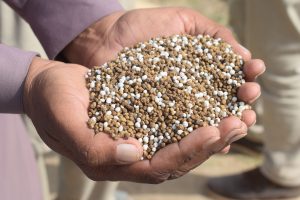
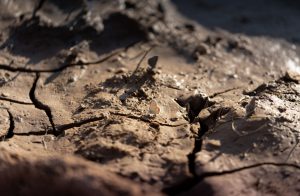
As autumn sets in, most gardeners focus on raking leaves and putting tools away—but there’s a critical task that’s often overlooked: winterizing your shrubs and trees with the right fertilizer. Trees and woody ornamentals may appear dormant in the fall, but beneath the soil, they’re actively storing energy, growing roots, and fortifying cells to survive winter’s harshest blows. That’s why this season is the perfect time to apply Muriate of Potash (0-0-60), one of the most concentrated potassium sources available through Supply Solutions LLC.
Potassium is the key to developing cold hardiness, strengthening stems, and reducing the risk of frost damage. When applied correctly in fall, Muriate of Potash helps your landscape not only survive the cold but emerge in spring stronger than ever.
This comprehensive guide will walk you through the vital role potassium plays in woody plant health, how and when to apply Muriate of Potash, and why it’s an essential tool for every serious gardener preparing for the off-season.
The Role of Potassium in Tree and Shrub Health
Potassium (K) is one of the three primary macronutrients that plants need—but in fall, it plays a particularly crucial role in plant defense. Here’s what it does:
- Regulates water movement within plant cells, which helps prevent frost damage
- Improves cell wall thickness, making tissues more durable
- Increases carbohydrate storage for spring growth
- Reduces susceptibility to disease and stress
- Promotes deeper root development
Without adequate potassium, trees and shrubs may show signs of:
- Yellowing or browning leaf margins
- Weak stems or canes that snap in snow
- Reduced bud formation
- Slow spring green-up
This makes potassium supplementation a non-negotiable part of fall care for perennials, fruit trees, and ornamentals alike.
What Is Muriate of Potash?
Muriate of Potash is the common name for potassium chloride (KCl) and is one of the most widely used potassium fertilizers due to its:
- High concentration (60% K2O) of available potassium
- Cost-effectiveness for both large-scale and home gardens
- Fast solubility, making nutrients quickly available to plants
The product available through Supply Solutions LLC is a premium-grade granular Muriate of Potash, ideal for lawns, shrubs, fruit trees, and garden beds. It’s particularly effective in preparing woody plants for dormancy.
When to Apply Muriate of Potash in Fall
The timing of application is critical to ensure nutrients are absorbed before the ground freezes.
- Best Time: Mid to late fall—roughly 4–6 weeks before the first hard freeze
- Ideal Conditions:
- Soil temperatures above 50°F
- Moist (but not waterlogged) soil
- No rain expected for 24–48 hours post-application
By applying during this window, potassium can be absorbed and moved into the plant system in time to protect against early frosts and cold snaps.
Which Plants Benefit Most?
Deciduous Trees
- Maples, oaks, elms, birches
- Stronger branches reduce breakage under snow
- Improved carbohydrate storage for bud break
Fruit Trees
- Apples, peaches, plums, cherries
- Enhanced sugar content and flavor
- Improved flowering and fruit set next year
Shrubs
- Boxwoods, hydrangeas, lilacs, roses
- Greater stem rigidity and bud formation
- Resistance to snow mold and mildew
Evergreens
- Spruce, pine, cedar
- Increased cold resistance and water regulation
- Prevention of winter burn
Application Rates and Methods
Standard Guidelines:
- Shrubs: 1/2 to 1 cup of Muriate of Potash per mature shrub
- Small Trees: 1–2 cups per inch of trunk diameter
- Large Trees: 3–5 cups per inch of trunk diameter, applied in a wide ring at the drip line
How to Apply:
- Broadcast evenly around the base of the plant
- Scratch lightly into the topsoil or mulch
- Water thoroughly to activate and move potassium into the root zone
Note: Always avoid direct contact with the trunk or stems, as potassium chloride in high concentration may cause localized burn.
Pairing With Other Fertilizers
For a more complete fall regimen, Muriate of Potash can be paired with:
Use caution not to over-fertilize. When in doubt, start with a soil test.
Signs That Your Landscape Needs Potassium
If you’re not sure whether to apply Muriate of Potash, look for these tell-tale signs:
- Poor flowering or fruit development this year
- Weak, drooping stems in shrubs
- Trees with dull or pale fall color
- Slow spring bud development in past seasons
- Evidence of frost burn or desiccation injury
A single fall application of potassium can correct these issues and set the stage for healthy regrowth.
Muriate of Potash vs. Other Potassium Sources
While other potassium sources exist—like sulfate of potash or organic kelp—Muriate of Potash offers:
- The highest concentration of K per pound
- The lowest cost per application
- Fast nutrient delivery
This makes it especially appealing for those managing large properties or high-value landscapes.
Soil Health and Environmental Safety
When used as directed, Muriate of Potash is safe for:
- Wildlife
- Pets
- Pollinators
- Groundwater
However, as with all fertilizers, avoid over-application or applying before heavy rains to prevent leaching. A soil test remains the best way to determine optimal use.
Why Fall Fertilization Sets You Ahead
Winter doesn’t just threaten your plants with freezing temperatures—it also brings:
- Moisture stress
- Pathogen pressure
- Reduced daylight
- Salt exposure in urban areas
Fertilizing with Muriate of Potash in the fall mitigates all of these by building resilient plant tissue, reinforcing root systems, and improving nutrient uptake efficiency.
That means fewer losses, less spring dieback, and a stronger overall landscape for years to come.
Reach us through our contact form, message us on Facebook, call 503-451-1622, or email sales@mysolutionssupply.com. Let Supply Solutions LLC help you winter-proof your garden and protect your landscape investment with premium Muriate of Potash.