As temperatures drop and daylight fades, gardeners and landscapers begin preparing their plants for the stress of winter. One crucial yet often underestimated strategy for fall prep is boosting potassium levels in the soil. This mineral plays a vital role in strengthening plants against frost damage, a leading cause of winter losses for lawns, ornamentals, shrubs, and crops alike.
In this in-depth guide, we’ll explore the science of how potassium protects plants during cold weather, and how to apply Muriate of Potash (0-0-60) from Supply Solutions LLC to improve your fall fertilization program.
Why Frost is a Threat
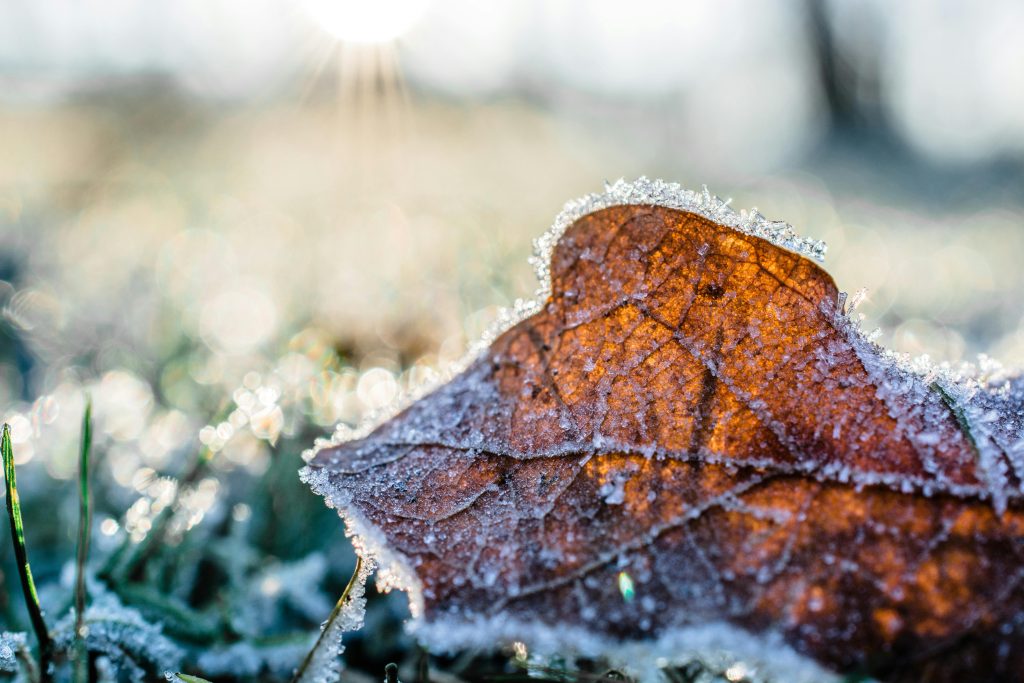
When frost sets in, plant cells face a major challenge: freezing temperatures cause water in the cells to expand into ice crystals, which can rupture cell walls. The result is wilting, browning, or dying tissues—especially in sensitive foliage and stems.
Some effects of frost damage include:
- Loss of turgor pressure (plants appear limp or dehydrated)
- Reduced photosynthesis from damaged chloroplasts
- Increased susceptibility to pathogens
- Death of buds, flowers, and young shoots
- Root system dieback in shallow-rooted plants
The colder it gets, and the longer the exposure, the worse the damage. But potassium helps mitigate these effects on a cellular level.
Potassium’s Role in Frost Protection
Potassium is the mineral behind some of a plant’s most critical internal defenses. Here’s what the science tells us:
1. Enhances Cell Wall Strength
Potassium activates enzymes that help produce cellulose, a major component of plant cell walls. Stronger walls are more resistant to mechanical damage from expanding ice crystals.
2. Improves Water Regulation
Potassium regulates the opening and closing of stomata, the tiny pores that control water loss. In freezing conditions, plants can’t afford to lose moisture—and potassium ensures they don’t.
3. Maintains Ionic Balance
Potassium acts as a counter-ion to sugars and organic acids inside the plant. This balance helps maintain osmotic pressure, which keeps water inside the cells even when external temperatures drop.
4. Supports Energy Flow
Potassium helps move sugars from the leaves to the roots, where they can be stored for winter. These sugars act as natural “antifreeze,” lowering the freezing point of plant cells and reducing frost damage.
5. Activates Protective Proteins
Under potassium-rich conditions, plants produce cold-induced proteins (CIPs) and antifreeze proteins (AFPs) that stabilize cell membranes and reduce crystallization of ice inside tissues.
How Muriate of Potash Boosts Potassium Levels
Muriate of Potash (0-0-60) is one of the most effective and economical ways to deliver potassium to your plants. It’s composed of potassium chloride, a fast-acting, highly concentrated source of 60% K₂O.
You’ll find Supply Solutions LLC’s Muriate of Potash to be:
- Consistent in particle size for even application
- Chloride-tolerant for most turf and garden crops
- Suitable for fall application without nitrogen buildup
- Trusted by professionals for seasonal nutrient balancing
Fall application ensures the potassium is absorbed before freezing temperatures arrive.
Best Timing for Application
For frost protection, apply Muriate of Potash 4 to 6 weeks before your region’s average first frost. This gives the plant time to:
- Absorb and translocate potassium to roots and crown tissues
- Begin producing protective proteins and storing sugars
- Build up reserves to last through dormancy
Use a soil thermometer or frost map to estimate your local frost date.
How to Apply for Frost Protection
For Lawns
- Rate: 1/2 to 1 pound per 1,000 square feet
- Method: Broadcast evenly using a spreader
- Water in thoroughly to help nutrients reach the root zone
For Garden Beds
- Rate: 1/2 to 3/4 pound per 100 square feet
- Incorporate into soil around perennials, bulbs, and shrubs
- Avoid direct contact with stems or roots
For Trees and Shrubs
- Apply in a ring around the dripline
- Scratch lightly into the soil surface and water well
Best Plants to Target
Some plants are more vulnerable to frost than others. Prioritize potassium application for:
- Turfgrass – especially cool-season varieties like fescue, bluegrass, and rye
- Fruit trees – to reduce winter dieback and encourage spring budding
- Perennials and bulbs – to protect underground storage organs
- Container plants – which are more exposed to cold stress
- Tropicals in zone 8 or warmer – to mitigate unexpected frost events
Signs Potassium is Working
After applying Muriate of Potash, watch for:
- Darker, more vibrant leaf color (chlorophyll efficiency)
- Firmer stems and thicker leaves
- Reduced wilting during early frosts
- Increased root density and mass
- Lower incidence of fungal or cold-related diseases
Potassium and Soil Biology
It’s not just the plants that benefit—potassium also enhances soil microbial health. Beneficial organisms like mycorrhizae and nitrogen-fixing bacteria thrive in balanced soil, and potassium helps buffer pH and osmotic conditions during fall transitions.
Healthy soil biology leads to:
- Better nutrient cycling
- More disease suppression
- Improved water retention and structure
Apply Muriate of Potash and pair it with organic mulch or compost to build a resilient soil ecosystem ahead of winter.
Potassium Synergies with Other Nutrients
While potassium is essential, it works even better alongside other fall nutrients. Consider pairing it with:
Avoid overusing nitrogen-heavy fertilizers in fall, as they can delay dormancy and increase frost risk.
How to Check for Potassium Deficiency
You may already have a potassium shortage if you notice:
- Marginal leaf burn or “scorching”
- Thin, weak stems
- Reduced flowering or delayed bud formation
- Patchy turf or inconsistent color
A soil test is the best way to confirm. If potassium levels are below 150 ppm, it’s time to act.
Real Results, Real Protection
Gardeners who’ve used Muriate of Potash in fall often report:
- Fewer losses from early frosts
- Quicker recovery in spring
- More blooms and fruits due to better overwintered buds
- Reduced winter pruning due to less dieback
It’s one of the most affordable and impactful interventions you can make for your plants.
Build Resilience Before It’s Too Late
Frost is inevitable—but damage doesn’t have to be. By applying potassium through a targeted product like Muriate of Potash (0-0-60), you give your plants the tools to defend themselves from cold, disease, and stress.
It’s more than fertilization—it’s long-term investment in resilience.
Reach us through our contact form, message us on Facebook, call 503-451-1622, or email sales@mysolutionssupply.com. Let Supply Solutions LLC help you equip your lawn and garden with the potassium power they need to survive winter and thrive in spring.