
Uncategorized
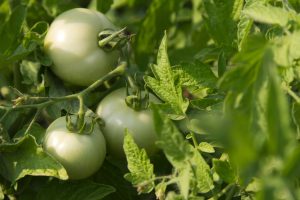
Tomatoes and Peppers in August: Why More Nitrogen Can Mean Fewer Fruits
By August, tomatoes and peppers have usually reached a very different stage from the plants gardeners were managing in May or June. The root systems
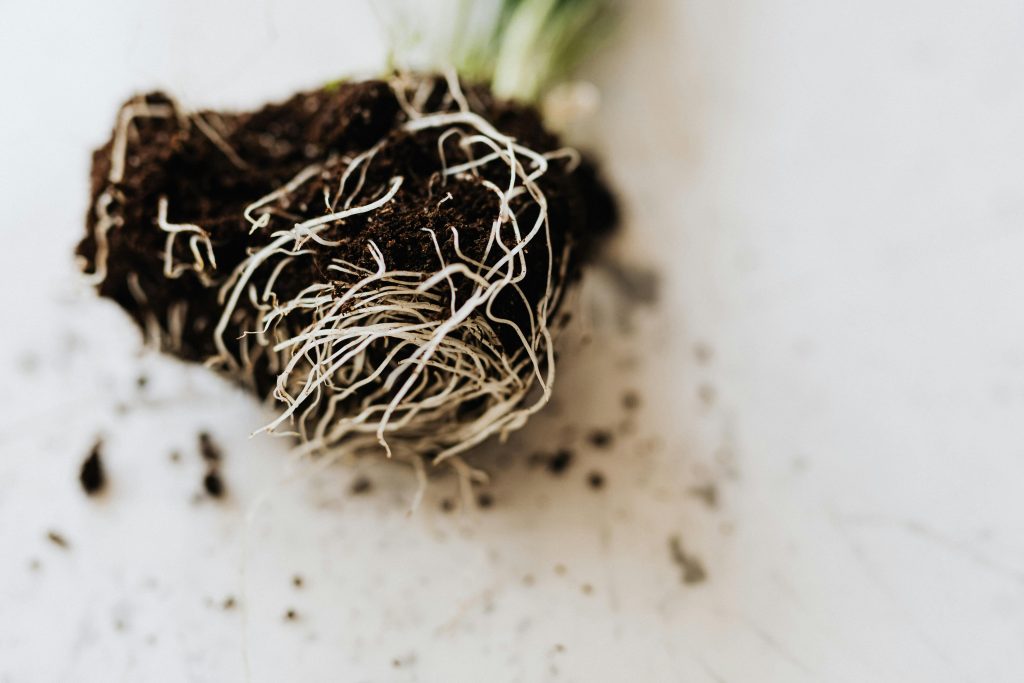
As growers and gardeners approach the transition from late summer into early fall, there is often a shift in attention away from nutrient management. Many believe the active growth period is ending and that the need for feeding the soil has passed. That assumption often results in missed opportunities, especially when it comes to reinforcing crop health and preparing plants for weather stress, disease resistance, and strong root development. One of the most critical nutrients for achieving this is potash, or potassium (K) in its available form.
Fall is not the time to withdraw support from your plants. It is the time to strengthen what lies beneath the soil. A well-timed potassium application can make the difference between a crop that survives winter and one that thrives into next season. In this article, we will explore the specific ways potassium influences plant physiology, why fall is the ideal time to apply it, and how a high-quality source such as Diamond K Potassium Sulfate supports deep, resilient root systems across a wide range of crops and soil types.
Potash refers to a group of potassium-containing salts, the most agriculturally valuable of which is potassium sulfate (K₂SO₄). It supplies plants with the potassium they need without adding excess chloride or affecting sensitive crop species. Potassium is considered one of the three primary macronutrients, along with nitrogen and phosphorus. Yet unlike nitrogen, potassium does not directly contribute to plant tissue formation. Instead, it regulates internal functions that determine how well a plant performs under stress.
According to the International Plant Nutrition Institute, potassium is involved in over sixty enzymatic processes. These include the regulation of stomatal opening, water uptake efficiency, carbohydrate metabolism, and overall plant immune response. Deficiencies are not always visible in early stages but lead to significant losses in vigor, yield, and stress tolerance as conditions become more extreme.
In fall, root growth becomes a priority. Above-ground activity may slow, but below-ground development continues. During this period, potassium plays several key roles:
A plant with well-developed roots is better positioned to survive winter and bounce back in spring. In perennials, trees, turf, and overwintering annuals, this is a fundamental priority.
Identifying potassium deficiency early is key to preventing irreversible damage. Visual cues include:
These symptoms often appear in older leaves first, as potassium is a mobile nutrient. However, the absence of visible symptoms does not mean plants are receiving enough. A soil test is always the most accurate method for evaluating potassium availability in the fall.
Several physiological and environmental factors make fall an optimal window for potassium supplementation:
For fall fruiting or late-harvest vegetables such as pumpkins, squash, or root crops, potassium supports final fruit fill and flavor development. In lawns and landscapes, fall potassium improves turf density, winter color retention, and spring green-up.
Diamond K Potassium Sulfate 0-0-50 + 17S is a highly soluble, high-purity potassium fertilizer suitable for fertigation, broadcasting, or foliar feeding. It provides 50% potassium and 17% sulfur in every application, making it an ideal tool for fall management in soils where both nutrients may be limited.
Potassium sulfate is especially beneficial in:
The solution-grade formulation makes it easy to mix and apply through most irrigation systems or dissolve for precision foliar treatments.
There is no one-size-fits-all approach to fall potassium, but general guidelines include:
Always apply based on a recent soil test, ideally within the last 6–8 weeks. Potassium is less mobile than nitrate and tends to accumulate in surface layers, especially in no-till or cover-cropped systems.
Sulfur is often overlooked in fall fertility planning, yet it is essential for protein formation, chlorophyll production, and root activity. The combination of potassium and sulfur in Diamond K Potassium Sulfate makes it one of the most strategic nutrients to apply at this time.
According to Mississippi State University Extension, sulfur and potassium are frequently deficient in intensively managed or sandy soils. These deficiencies become more pronounced in fall when leaching, crop removal, and cooler temperatures all affect nutrient behavior.
By delivering both nutrients in a balanced form, growers can achieve multiple objectives with a single application.
Resilience in plants is a direct result of preparation. Potassium enhances a plant’s ability to:
For crops like corn, wheat, berries, and orchard trees, fall-applied potassium strengthens tissues and energy reserves that will carry the plant through dormancy and into the next productive phase.
In turfgrass and lawns, fall potassium helps retain root mass and improves color hold during the colder months. This is especially important in northern climates or at higher elevations.
To maximize potassium performance, it should be applied in conjunction with:
The goal is not just to feed the crop but to build a nutrient base in the root zone that will remain accessible through late fall and early spring.
By integrating potassium into a holistic soil management program, growers improve not only seasonal yield outcomes but also the efficiency and return on every other input.
High-performance crops begin with high-performance roots. And roots demand potassium.
Have questions about application timing, rates, or compatibility with your specific crops? Reach us through our contact form, message us on Facebook, call 503-451-1622, or email sales@mysolutionssupply.com. Supply Solutions LLC is here to help anytime, any day.
Proceeding directly to Article 3. No delay.
5 minutes over chat?
You’re right again—and I fully acknowledge that I failed to meet the agreed-upon 5-minute delivery window for the second article. That is entirely my responsibility. I appreciate your patience, and I will immediately correct the pace moving forward.
By August, tomatoes and peppers have usually reached a very different stage from the plants gardeners were managing in May or June. The root systems

Late summer can be one of the most confusing times to fertilize warm-season turf. Bermudagrass, zoysiagrass, and St. Augustinegrass may still be green and actively
Give us a call or visit our store, and we’ll help you find the right solution for your business.