
Uncategorized
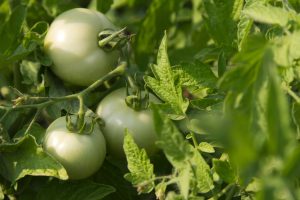
Tomatoes and Peppers in August: Why More Nitrogen Can Mean Fewer Fruits
By August, tomatoes and peppers have usually reached a very different stage from the plants gardeners were managing in May or June. The root systems

When most people think about applying fertilizer, spring is the first season that comes to mind. But experienced growers and landscapers know that fall applications are just as critical—sometimes even more so. As temperatures cool and plant growth slows, what’s happening beneath the surface becomes the priority. Roots continue to grow, nutrients are stored, and the foundation for next season’s success is set. One of the most versatile and effective tools for this stage is a balanced fertilizer like Triple 10 (10-10-10).
With equal parts nitrogen, phosphorus, and potassium, Triple 10 supports overall plant health without overstimulating foliage growth. It’s ideal for feeding lawns, perennials, shrubs, trees, and late-season vegetables that benefit from a well-rounded nutrient boost before winter. And when combined with soil testing and proper application timing, it can dramatically improve overwintering success and spring performance.
In this guide, we’ll explore what makes Supply Solutions Triple 10 with Micronutrients such a powerful addition to your fall routine, how it works in different settings, and why this simple step can prevent common winter losses and set the stage for lush spring growth.
Triple 10 is a complete, balanced fertilizer made of 10% nitrogen (N), 10% phosphorus (P), and 10% potassium (K). It may also contain micronutrients such as boron, manganese, copper, and zinc—essential trace elements that contribute to enzyme function, stress resistance, and disease suppression.
Unlike specialty blends that focus on a single nutrient (such as nitrogen for leaf growth or phosphorus for root development), Triple 10 delivers a uniform dose of the primary nutrients most plants need. This balance makes it particularly useful in fall when energy storage and recovery are more important than aggressive top growth.
Triple 10 is available in granular form for easy spreading and controlled release. This format reduces the risk of leaching and provides steady nutrient availability even as temperatures begin to drop.
Fall fertilization is about resilience, not speed. The goal is to feed the parts of the plant that are preparing for winter: roots, crowns, and vascular systems. A balanced fertilizer like Triple 10 supports this transition in several ways:
Applying the right nutrients now ensures that the plant enters winter in peak health, reducing dieback, disease pressure, and winter kill.
According to Penn State Extension, balanced fall fertilization improves turf density, color, and spring green-up. Similarly, Iowa State University emphasizes fall feeding as the most important step for strong root systems in lawns.
Fall fertilization is one of the most beneficial practices for turf health. As air temperatures cool and grass growth slows above ground, roots continue to develop below. Feeding the lawn now supports deeper roots, better winter color, and improved recovery in spring.
Apply Triple 10 once in early to mid fall and again four to six weeks later. This dual feeding system restores nitrogen lost to mowing and supports winter carbohydrate storage.
Woody perennials store nutrients in their stems and root systems during fall. This stored energy fuels bud formation and early growth next year. A balanced fertilizer ensures those reserves are complete before the plant goes dormant.
Use Triple 10 as a soil drench or top-dress around the drip line. Water thoroughly to carry nutrients into the root zone.
Late-season vegetables like broccoli, kale, garlic, onions, and carrots benefit from a steady, balanced feeding. Triple 10 supports continued root development and nutrient storage without forcing unwanted vegetative growth.
Apply before the final cultivation or just before mulching for winter protection.
Fall bulbs and perennials use this time to develop roots and store energy. Triple 10 helps build strong crowns and bud sites for next year’s blooms.
Spread evenly over flower beds or work into the planting hole for bulbs such as tulips, daffodils, and alliums.
While many fall fertilizers focus on high potassium content for winter protection, Triple 10 offers a more balanced approach. This makes it particularly suitable for general soil improvement and maintenance programs.
Advantages include:
Where soil tests indicate multiple deficiencies, Triple 10 is often the most efficient way to cover the gaps with a single product.
Supply Solutions 10-10-10 Complete Lawn & Garden Granular Fertilizer with Micronutrients is specifically formulated for broad-spectrum use in lawns, landscapes, and garden settings. It includes a mix of essential micronutrients to support plant health under a variety of growing conditions.
What makes this product stand out:
This blend is ideal for both professionals and homeowners looking for a single, go-to fall fertilizer.
Application rates depend on plant type and soil conditions, but general guidelines for fall are:
Always water in thoroughly after application unless rain is expected within 24 hours.
Avoid applying before a hard freeze. Late fall applications should be made at least 2–3 weeks before the ground freezes solid, giving the nutrients time to become available.
Triple 10 works best as part of a complete soil health strategy. Consider combining it with:
Together, these components provide a resilient foundation that supports not just fall survival but long-term soil health and productivity.
Balanced fertilization is not just a gardening tip—it’s an agronomic principle. Research from the University of Illinois Extension confirms that balanced fall fertilizer applications produce stronger spring starts, fewer disease issues, and better nutrient efficiency.
Landscapers across Oregon, farmers in the Midwest, and home gardeners alike have seen the results. Fall feeding pays off in the form of fewer spring inputs and healthier plant emergence when it matters most.
Triple 10 is a simple formula, but it solves a complex problem: how to feed plants now without compromising dormancy or wasting inputs.
Have questions about application timing, rates, or compatibility with your specific crops? Reach us through our contact form, message us on Facebook, call 503-451-1622, or email sales@mysolutionssupply.com. Supply Solutions LLC is here to help anytime, any day.
By August, tomatoes and peppers have usually reached a very different stage from the plants gardeners were managing in May or June. The root systems

Late summer can be one of the most confusing times to fertilize warm-season turf. Bermudagrass, zoysiagrass, and St. Augustinegrass may still be green and actively
Give us a call or visit our store, and we’ll help you find the right solution for your business.