Standing in front of the fertilizer shelf in spring can feel overwhelming. Bags and labels blur together, each with different numbers and claims. If you are a newer gardener, it is easy to walk away wondering:
- Do I really need fertilizer
- Should I choose 10-10-10, 16-16-16, or something organic
- How do I avoid burning my plants or wasting money
This guide is designed for beginners and newer growers in the Pacific Northwest who want clear, calm explanations. By the end, you will understand:
- What those three numbers on the bag actually mean
- When a balanced fertilizer like 10-10-10 or 16-16-16 makes sense
- How to work organic options such as fish fertilizer and pelletized blends into your plan
- How to build a simple, safe feeding schedule for your spring garden
You do not need to become an expert overnight. You just need a few core ideas.
What the numbers on the bag mean
Every fertilizer bag has three big numbers, such as 10-10-10 or 16-16-16.
These numbers show the percentage by weight of:
- Nitrogen (N)
- Phosphate (P₂O₅) — a form of phosphorus
- Potash (K₂O) — a form of potassium
So:
- A 10-10-10 fertilizer contains 10 percent nitrogen, 10 percent phosphate, and 10 percent potash by weight.
- A 16-16-16 fertilizer contains 16 percent of each of those nutrients.
Other nutrients like calcium, magnesium, sulfur, and micronutrients may be included or may come from separate products such as gypsum or sulfate of potash.
In simple terms:
- Nitrogen supports leafy growth and green color.
- Phosphorus supports roots, flowers, and fruiting.
- Potassium supports overall plant health, disease tolerance, and stress resistance.
Balanced fertilizers: 10-10-10 and 16-16-16
Balanced fertilizers provide the same proportion of N, P, and K, which is helpful when:
- You are feeding a variety of crops in the same bed
- Your soil test shows low to medium levels of P and K
- You want an all-purpose product that is easy to understand
When 10-10-10 might be used
A 10-10-10 fertilizer is a lower-concentration balanced product. Each pound of fertilizer contains less nutrient than a 16-16-16, which can be helpful for beginners who worry about overapplication.
It might fit when:
- You want gentle, balanced feeding for a small backyard garden.
- You have containers or raised beds where you prefer to dose more softly and more often.
- Your soil test indicates that all three nutrients are needed, but in modest amounts.
When 16-16-16 makes sense
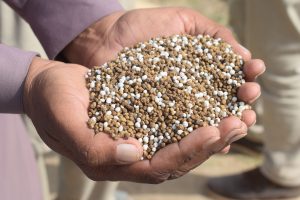
[Supply Solutions 16-16-16 Complete Lawn & Garden All Purpose Granular Fertilizer] is a higher-analysis balanced fertilizer, meaning:
- You get more nutrients per pound of product.
- You can cover more area or supply more nutrient with fewer bags.
It often fits:
- Larger gardens with mixed vegetables and flowers.
- Lawns and beds where soil tests show a clear need for N, P, and K.
- Growers who want a single, efficient product for multiple areas.
Because 16-16-16 is more concentrated than 10-10-10, you must follow label rates carefully. You may use less product per square foot to deliver the same amount of nutrient.
Where organic options fit in
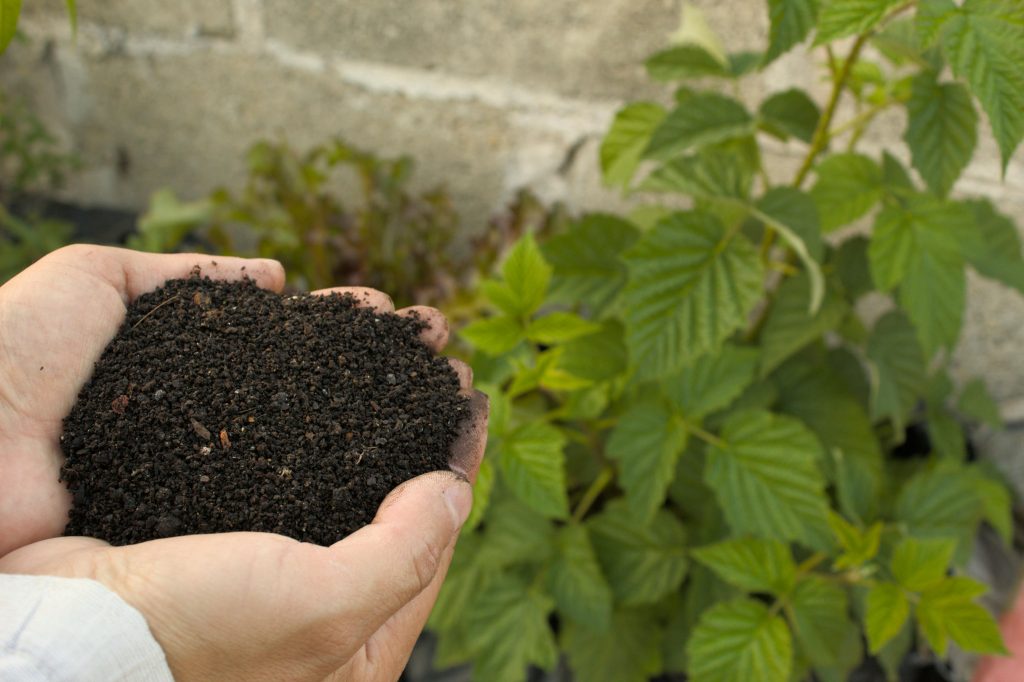
Organic fertilizers supply nutrients in forms that are tied to natural materials such as fish, bone, shell, plant meals, and composts. They:
- Tend to release nutrients more gradually.
- Often feed soil life as well as plants.
- Usually have lower NPK numbers, but still deliver useful nutrition.
Common organic options available through Supply Solutions include:
- Fish-based liquid fertilizers, which provide gentle, readily available nitrogen plus trace elements and biological support.
- Pelletized organic blends (for example, around 4-3-2) that offer slow, steady feeding.
- Specialty organic products like shrimp or crab-based fertilizers that add phosphorus, calcium, and other nutrients.
Organic fertilizers are not “weak.” They simply work differently. They often pair well with balanced granular fertilizers in a blended program.
Should I choose synthetic, organic, or both
You do not have to pick one camp forever. Many gardeners successfully combine:
- A modest application of a balanced granular fertilizer to set a baseline for the season.
- Targeted organic applications (such as fish fertilizer) at key growth stages or in soil-building areas.
For example, you might:
- Apply 16-16-16 lightly before planting in beds where your soil test suggests N, P, and K are needed.
- Use fish fertilizer every few weeks on heavy-feeding crops like tomatoes and squash during active growth.
- Rely more on organic and compost-based inputs in perennial beds where long-term soil health is your main focus.
The key is to track your total nutrient input. Even organic fertilizers contain real N, P, and K. Combining products without doing the math can lead to overfertilizing.
Step 1: Start with a soil test
Before choosing between 10-10-10, 16-16-16, or organic, it is smart to know:
- Is phosphorus already high or low
- Is potassium adequate
- What is the pH and organic matter
Use the Supply Solutions soil test form to send a sample from your main garden area. When the report comes back, note:
- If P is high, you may not want a fertilizer with a lot of extra phosphate.
- If K is low or medium, balanced fertilizers or separate potash sources might be needed.
- If pH is too low or too high, that may need to be corrected with lime or other amendments, separate from fertilizer.
Share your report with Supply Solutions if you are unsure how to interpret it for vegetable and flower beds.
Step 2: Group your plants into “feeding families”
Different crops have different appetites.
Heavy feeders often include:
- Corn
- Tomatoes, peppers, and eggplant
- Brassicas (broccoli, cabbage, cauliflower)
- Squash and pumpkins
Moderate feeders often include:
- Lettuce and leafy greens
- Root crops (carrots, beets, radishes)
- Many annual flowers
Light feeders often include:
- Herbs
- Peas and beans (they fix some of their own nitrogen)
Group your beds or sections by how hungry they are. This lets you adjust your fertilizer type and rate without overcomplicating things.
Step 3: Build a simple feeding plan for spring planting
Here is an example of how a beginner-friendly spring plan might look.
Before planting
- Incorporate compost or well-aged organic matter into your beds if needed.
- For most mixed vegetable beds, apply a balanced granular fertilizer such as 10-10-10 or 16-16-16 at a modest rate according to the label and your soil test.
- Work the fertilizer into the top few inches of soil or band it along the row where crops will be planted.
For heavy feeders, you might:
- Use close to the full label rate for that crop category.
For light feeders, you might:
- Apply half-rate or skip pre-plant fertilizer and rely more on organic spot feeding later.
At transplanting or early growth
For transplanted crops like tomatoes and peppers:
- Avoid putting granular fertilizer directly into planting holes unless the label specifically allows it. This can burn roots.
- Instead, mix fertilizer into the broader bed area beforehand, or apply a light band a few inches away from the stem.
- Consider a diluted fish fertilizer solution to help transplants recover and establish roots.
For direct-seeded crops like carrots and beans:
- Make sure fertilizer is not placed right where seeds sit.
- Use a row band or general pre-plant incorporation ahead of time.
During the growing season
As plants grow:
- Watch for pale leaves, slow growth, or poor flowering as possible signs of nutrient shortage.
- For heavy feeders, consider side-dressing with a small amount of granular fertilizer once or twice during the season, at label rates.
- Supplement with liquid fish fertilizer as needed, especially after heavy harvests or strong growth spurts.
Always water after side-dressing, and avoid placing fertilizer directly against plant stems.
How to avoid burning plants or overfertilizing
Gardeners worry about burning plants with fertilizer. The risk is lower than people think when you:
- Follow label rates for your crop and application method.
- Keep granular fertilizer off leaves and away from direct contact with stems.
- Water in after application when required.
- Do not apply extra fertilizer “just to be safe.”
A few specific cautions:
- Do not pour concentrated fish fertilizer or any liquid fertilizer on dry roots or at much higher than labeled rates.
- Do not fertilize stressed plants heavily (for example, during heat waves or drought) without addressing water and environmental stress first.
- Do not apply multiple products on the same day without understanding how much N, P, and K you are stacking.
If you are unsure about a rate, especially in a small backyard garden, contact Supply Solutions for help. It is better to get clarity than to guess.
Example beginner plans
Here are two simple examples you can adjust.
Small backyard vegetable garden, mixed crops (about 200 square feet)
- Early spring: soil test and compost as needed.
- Pre-plant: apply 16-16-16 at a light to moderate labeled rate, working it into the top few inches.
- During the season:
- One side-dress of 16-16-16 for heavy feeders mid-season.
- Optional fish fertilizer every few weeks for tomatoes, squash, and leafy greens.
Raised bed and container garden
- Pre-plant: mix a pelletized organic fertilizer (around 4-3-2) into the potting mix or top few inches of each bed.
- After planting: use diluted fish fertilizer every 2–3 weeks on vegetables and flowers during active growth.
- Mid-season: for hungry crops, add a light sprinkle of 16-16-16 or organic pellets between rows, following label rates, and water in.
These are starting points. Your soil, climate, and crop mix will guide the final plan.
When to ask for help
Fertilizer decisions feel harder when you are new. You do not have to figure it out alone.
Supply Solutions can help you:
- Read your soil test and highlight what matters most.
- Decide whether 10-10-10 or 16-16-16 is a better fit for your garden this year.
- Blend organic and conventional options without overfertilizing.
- Plan rates and timing that match your schedule and comfort level.
Your questions do not need to be complicated. Even a quick “Here is my garden size and what I want to grow, what do you recommend” is enough to start a useful conversation.
Growing confidence along with your plants
Fertilizers are tools, not magic. When you understand:
- What the numbers mean
- What your soil already has and lacks
- How to combine balanced granular and organic inputs sensibly
you gain confidence each season.
You do not need a shelf full of products. With a thoughtful choice between 10-10-10, 16-16-16, and a couple of organic options like fish fertilizer and pelletized blends, you can feed most home gardens effectively and safely.
If you are ready to choose a fertilizer for your next spring planting, or if you would like help turning your crop list into a simple feeding calendar, reach out to Supply Solutions. We are glad to support both first-time gardeners and experienced growers looking for a clearer, calmer approach to spring nutrition.
Supply Solutions, LLC – Fertilizer, Agricultural & Safety Solutions
Phone: 503-451-1622
Email: sales@mysolutionssupply.com
Hours: Monday to Friday, 7:00 a.m. to 5:00 p.m.
Web: www.mysolutionssupply.com
We provide 10-10-10, 16-16-16, nitrogen and potassium fertilizers, gypsum, organic fish and pelletized blends, and friendly, practical advice to help Pacific Northwest gardeners and small growers build healthy, productive spring gardens.