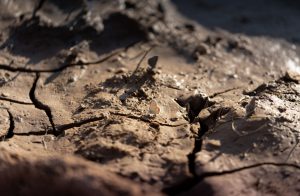
Heat stress usually shows up above the ground.
Leaves wilt in the afternoon. Tomato plants curl. Pepper plants drop blossoms. Lawns fade from green to gray-green. Flower beds look tired even when they were blooming well the week before. Cucumbers and squash slow down. Containers dry out before the end of the day. Fruit sizing becomes uneven. Plants that looked strong in May suddenly look like they are running short.
But the groundwork for heat tolerance starts earlier.
Before summer heat arrives, plants need roots that can take up water, soil that can hold and release moisture, and enough potassium and magnesium to support the plant’s internal water and energy systems. May is the right time to think about that balance because crops, lawns, and landscapes are still building the structure they will rely on in June, July, and August.
Potassium is closely tied to water regulation. University of Minnesota Extension notes that potassium helps regulate stomata, supports root growth, improves drought resistance, maintains turgor, and reduces water loss and wilting. When potassium is deficient or not supplied adequately, plant growth and yield can be reduced.
Magnesium matters for a different reason. It is central to chlorophyll and photosynthesis. When magnesium is short, plants lose healthy green color, often showing yellowing between the veins while the veins remain greener.
Those two nutrients do not replace each other. Potassium supports water movement, fruiting, root strength, and stress tolerance. Magnesium supports chlorophyll, energy capture, and leaf function. Together, they help plants prepare for the first real heat of summer.
The key is balance. Too little potassium can leave plants weak going into stress. Too little magnesium can reduce photosynthetic strength. Too much of either can interfere with other nutrients, especially calcium in some crops. That is why May potassium and magnesium management should be practical, measured, and based on what the soil and crop actually need.
Heat stress is not only about hot air
When plants suffer in hot weather, the problem is not just temperature.
Heat increases water demand. Leaves lose moisture faster. Roots have to keep up. Soil dries more quickly. Containers heat up. Lawns face more mowing stress. Fruit crops move more water and nutrients to developing fruit. Flowers carry more bloom load. Vegetable plants move from establishment into production.
A plant with weak potassium support may struggle to regulate water as conditions get hotter. A plant with shallow roots may not reach enough moisture. A plant short on magnesium may not photosynthesize efficiently enough to maintain growth under stress. A plant with poor soil structure may have water available one day and dry stress the next.
That is why May fertility should not only chase color.
A dark green plant is not automatically ready for heat. If the green color came from nitrogen but potassium is low, the plant may grow soft and struggle later. If magnesium is short, leaves may not function well even if the plant has enough nitrogen. If watering is irregular, nutrients may be present but uptake may be inconsistent.
Heat tolerance starts with the root zone before heat arrives.
Potassium helps plants manage water
Potassium is often called a stress nutrient because it supports several processes that matter when weather turns harder.
It helps regulate stomata, the small openings on leaves that control gas exchange and water loss. It helps plants maintain turgor, which is the internal water pressure that keeps leaves firm. It supports root growth and drought resistance. It also plays a role in crop quality, fruiting, stems, and overall plant vigor.
In real field and garden conditions, that means potassium matters before plants are visibly stressed.
Tomatoes need potassium before heavy fruit load. Peppers need it before heat and bloom pressure increase. Cucumbers, squash, melons, and pumpkins need it as vines expand and fruit begin developing. Lawns need it before summer traffic and dry spells. Flower beds need it before the first hot stretch causes wilting and bloom decline. Fruit trees and berries need it during active growth and fruit development.
Potassium deficiency often appears on older leaves first, with yellowing or browning along leaf margins. In corn, lower leaf margins may brown and show a striped appearance. In soybeans, leaflet margins may turn light green to yellow before browning.
But the better plan is not to wait for symptoms. By the time leaves show margin burn, the plant has already been working under a shortage.
May potassium applications should prepare the crop before stress exposes the weakness.
Magnesium keeps the leaf engine working
Magnesium does not get the same attention as nitrogen, phosphorus, or potassium, but it is important.
The plant needs magnesium for chlorophyll, and chlorophyll is what allows leaves to capture light and drive photosynthesis. When magnesium is short, older leaves often develop yellowing between the veins. The veins may stay green while the tissue between them fades. In corn, magnesium deficiency may look like striping along the lower leaves.
That symptom matters in May because plants are building the leaf area that will support summer growth.
A tomato plant with poor leaf function will struggle to carry fruit. A pepper plant with weak photosynthesis will not recover well from stress. A lawn short on magnesium may not hold good color or density. Fruit trees and shrubs need healthy leaves to build carbohydrates. Flower beds need strong foliage to keep bloom cycles moving.
Magnesium is especially important where soils are naturally low in magnesium, where heavy leaching occurs, where sandy soils lose nutrients, or where potassium and calcium levels are high enough to affect magnesium uptake. Soil testing helps determine whether magnesium is actually short.
This is where guesswork can create trouble. Adding magnesium when the soil does not need it may not help and can contribute to nutrient imbalance. University of Minnesota Extension warns that adding too much magnesium can prevent adequate calcium from getting into plants, and magnesium should only be added when soil testing indicates a deficiency.
Magnesium is valuable when it is needed. It should not be applied blindly.
Potassium and magnesium can compete with calcium
Nutrients do not work in isolation.
Potassium, magnesium, calcium, ammonium, and sodium are all positively charged ions, and high levels of one can interfere with uptake of another. This is especially important for fruiting crops like tomatoes and peppers, where calcium movement affects fruit quality.
University of Minnesota Extension notes that blossom end rot in tomatoes is influenced by moisture fluctuation, heavy nitrogen, hot weather, root injury, and the fact that too much potassium, magnesium, ammonium, or sodium in the soil can reduce calcium availability to the plant.
That does not mean potassium or magnesium are bad for tomatoes. They are both important. It means the grower should avoid heavy, repeated applications without testing or observation.
A tomato plant needs potassium for fruit development and water regulation. It needs magnesium for leaf function. It needs calcium for fruit cell structure. It needs steady moisture so calcium can move. If potassium or magnesium is pushed too hard, calcium uptake can become less reliable, especially when moisture is also inconsistent.
The same principle applies beyond tomatoes. Too much of any nutrient can interfere with uptake of others. University of Minnesota Extension notes that soils with excessive compost or manure applications can develop high concentrations of nutrients such as ammonium, calcium, magnesium, potassium, and sodium, and too much of any nutrient can inhibit uptake of other nutrients.
Balanced fertility is not conservative because it is cautious. It is conservative because plants perform better when nutrients are in proportion.
KMS fits potassium, magnesium, and sulfur needs
KMS 0-0-21.5 Potassium Magnesium Sulfate is the strongest fit when the soil needs potassium and magnesium together.
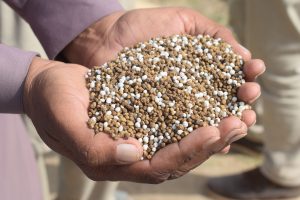
Supply Solutions describes KMS as a potassium magnesium sulfate fertilizer that supplies potassium, magnesium, and sulfur for lawns, vegetables, flowers, fruit trees, shrubs, houseplants, and other plantings. It is positioned for magnesium-poor soils and soils prone to nutrient loss.
That nutrient combination makes sense before heat stress.
The potassium supports water regulation, root strength, plant resilience, and fruiting. The magnesium supports chlorophyll and leaf function. The sulfur supports plant metabolism and can matter in crops with higher sulfur demand. For vegetables, flower beds, lawns, fruit trees, shrubs, and containers, KMS is useful where soil tests or plant symptoms suggest potassium and magnesium are both needed.
The problem KMS helps solve is nutrient imbalance where potassium, magnesium, or sulfur are low or being depleted. It is especially useful where plants show weak color, poor stress tolerance, or where soil testing points to low magnesium and potassium need.
The timing is May through active growth, before summer stress is fully present. Supply Solutions lists spring application for lawns, new garden preparation, transplant-hole use, side-dressing established plants every two to three months depending on plant size and magnesium deficiency, and tree or shrub applications around the drip line with watering in.
The caution is soil testing. KMS contains magnesium. It should be used where magnesium is needed, not simply because the plant looks stressed. If the crop needs only potassium, another product may fit better.
Sulfate of Potash fits high potassium demand without added magnesium
Sometimes the plant needs potassium, but not magnesium.
That is an important distinction.
If a soil test shows magnesium is adequate or high, and the crop needs potassium support before fruiting or heat stress, a high-potassium product may be more appropriate than a potassium-magnesium product.
Supply Solutions Sulfate of Potash 0-0-50 fits that role. Supply Solutions describes it as a 0-0-50 potassium fertilizer for flowers, lawns, fruits, and gardens that supports root development, plant vigor, blooms, fruits, harvests, sturdy stalks, and environmental stress tolerance. The product page also notes that it is ultra-fine, highly soluble, and OMRI certified.
The problem Sulfate of Potash 0-0-50 helps solve is potassium shortage or high potassium demand when the crop does not need additional nitrogen, phosphorus, or magnesium. That is common before fruiting, flowering, summer heat, lawn stress, or heavy crop load.
The timing is May when crops are actively growing and moving toward higher demand. It fits tomatoes, peppers, cucumbers, melons, squash, fruiting plants, flowers, lawns, and other plantings where potassium is needed before stress increases.
The caution is rate and balance. A 0-0-50 product is concentrated. It should not be applied casually or repeatedly without understanding soil potassium status. Too much potassium can interfere with magnesium or calcium uptake in some situations. It is a strong tool when potassium is the limiting factor.
7-0-26 fits organic potassium support with modest nitrogen
Some May plantings need potassium support, but they are still growing enough to use a small amount of nitrogen.
That is where 7-0-26 Organic Fertilizer fits.
Supply Solutions describes this product as an OMRI Listed organic fertilizer with 7% nitrogen and 26% potash, derived from soy protein hydrolysate and sulfate of potash. It is positioned for vegetable gardens, tomato plants, strong roots, fruit quality, blooms, nutrient uptake, water movement, plant resilience, and soil quality.
This makes it useful for fruiting vegetables and flower beds in late May.
The nitrogen supports continued growth, but the product is not nitrogen-heavy. The potassium is the main nutrient emphasis. That makes it useful for tomatoes, peppers, squash, cucumbers, flowers, and mixed vegetable beds that are established and moving toward bloom or fruit set.
The problem 7-0-26 Organic Fertilizer helps solve is the need for potassium support in an organic program while still providing a modest amount of nitrogen for active growth.
The timing is after plants are established and actively growing. Supply Solutions lists it for new garden preparation, new transplants, and monthly side-dressing of established plants during the growing season depending on plant size and desired growth rate.
The caution is that 7-0-26 still contains nitrogen. It should not be used to keep pushing vegetative growth when a tomato or pepper plant is already overly leafy. It should support fruiting balance, not create excessive foliage.
May is the transition from establishment to stress preparation
In early May, many plants are still establishing.
Transplants are adjusting. Root systems are expanding. Lawns are recovering from winter. Perennials are waking. Containers are beginning to fill. Corn and vegetables are emerging. Flower beds are getting planted.
By late May, the crop starts shifting.
Tomatoes begin flowering. Peppers set buds. Cucumbers and squash start vining. Lawns face more frequent mowing. Fruit trees and berries carry more demand. Containers need water more often. Heat waves become more likely. Soil dries faster between rains.
That shift is why potassium and magnesium should be considered before plants are visibly stressed.
If potassium is low, waiting until the first heat wave may be too late. If magnesium is low, leaves may already be losing function. If calcium movement is at risk, excessive potassium or magnesium applied at the wrong time may make fruit problems worse. If watering is inconsistent, even the right fertilizer may not perform well.
May is the month to check the soil, read plant growth, and choose the nutrient support that fits the next stage.
Vegetables need potassium before fruit load builds
Fruiting vegetables are among the most responsive crops to potassium timing.
Tomatoes, peppers, eggplant, cucumbers, squash, pumpkins, melons, and beans all need potassium as they move into flowering, fruit set, and fruit sizing. Potassium supports water movement, plant strength, fruit quality, and stress tolerance.
For tomatoes and peppers, the balance is especially important. These crops need potassium, but they also need consistent calcium movement. Heavy applications of potassium or magnesium can reduce calcium availability, especially when moisture is inconsistent.
For an organic tomato or pepper bed moving into flowering, 7-0-26 Organic Fertilizer can be a good fit because it supplies strong potassium with modest nitrogen. It supports roots, stems, blooms, fruits, nutrient uptake, water movement, and resilience without turning the program into a heavy nitrogen push.
If the soil also needs magnesium and sulfur, KMS may be the better fit. It brings potassium, magnesium, and sulfur together, which is useful where soil testing or symptoms point to low magnesium.
If potassium is needed without added nitrogen or magnesium, Sulfate of Potash 0-0-50 may fit better.
The crop stage should guide the decision. A young transplant still rooting may not need a strong potassium side-dress yet. A tomato with first flowers and steady new growth may be ready. A cucumber beginning to run and flower may be entering the right window. A pepper stalled in cool soil should be allowed to root before stronger feeding.
Lawns need potassium before summer traffic
Lawns are often fed for green color in spring, but potassium deserves attention before summer.
Turf faces several stresses once heat arrives: mowing, foot traffic, pets, dry spells, irrigation gaps, compacted soil, and disease pressure. Nitrogen helps color and growth, but potassium helps the turf handle stress.
KMS 0-0-21.5 can fit lawns where potassium, magnesium, and sulfur are needed. Supply Solutions lists spring lawn application, watering in, and multiple yearly applications with lower summer and fall rates.
Sulfate of Potash 0-0-50 can fit lawns where potassium is needed without adding nitrogen or phosphorus. This can be useful when the lawn already has enough nitrogen but needs potassium support before heat.
The problem these products help solve is weak summer resilience. A lawn that greens quickly from nitrogen but lacks potassium support may look good in May and fade in July. Potassium helps prepare turf for water regulation and stress tolerance.
The timing is late spring before the hardest summer weather. The caution is soil testing. Some lawns may already have adequate potassium. Others, especially sandy soils or heavily irrigated lawns, may need more regular support.
A good lawn program does not feed only what makes the grass green today. It also feeds what helps it stay alive under stress.
Flower beds need potassium before the first heat wave
Flower beds often peak early if fertility is not balanced.
In May, annuals and perennials may look full because temperatures are moderate. But as heat builds, plants need more than bloom energy. They need water regulation, sturdy stems, strong roots, and enough leaf function to keep producing flowers.
Potassium helps support that transition.
For mixed flower beds, 7-0-26 Organic Fertilizer can fit where the bed needs organic potassium support with enough nitrogen to keep growth moving. This is especially useful after plants are established and beginning to bloom.
KMS fits flower beds that need potassium, magnesium, and sulfur. It is useful where leaf color and stress tolerance are both concerns.
Sulfate of Potash 0-0-50 fits when the bed needs a stronger potassium source without added nitrogen.
The timing is before heat causes decline, not after plants have already become leggy and exhausted. Apply when plants are actively growing, water in well, and avoid piling fertilizer against stems or crowns.
A flower bed that has enough potassium going into summer usually handles heat and water swings better than a bed pushed only with nitrogen.
Containers run short faster
Containers are high-risk for potassium and magnesium imbalance because the root zone is small and nutrients leach with watering.
A tomato in a container may use potassium quickly as it flowers and fruits. A hanging basket may need steady potassium to hold bloom. A citrus or berry plant in a pot may show magnesium-related yellowing if the mix is short. A container in hot sun may dry daily, making nutrient uptake uneven.
For containers where potassium and magnesium are both needed, KMS can fit. Supply Solutions lists container and houseplant rates for new plantings and established plants during the growing season.
For fruiting container vegetables where organic potassium support is needed, 7-0-26 Organic Fertilizer may fit, especially once the plant is established and moving into flowering.
For containers that need potassium without more nitrogen or magnesium, Sulfate of Potash 0-0-50 can be useful if applied carefully and watered in.
Containers need lighter, more consistent feeding than in-ground crops. Overapplication in a pot can create salt stress quickly. Always keep drainage open, water evenly, and avoid applying fertilizer to bone-dry or wilted plants.
Fruit trees and shrubs need root-zone balance
Fruit trees, berries, grapes, roses, and ornamental shrubs are long-season plants. They rely on a healthy root zone and balanced nutrients year after year.
Potassium matters for fruiting, water regulation, and plant strength. Magnesium matters for leaves and photosynthesis. Sulfur can support plant metabolism. But perennial plants also need nutrient balance because excesses build over time.
KMS fits fruit trees and shrubs where potassium, magnesium, and sulfur are needed. Supply Solutions recommends applying around the base outward to the drip line and watering in for trees and shrubs.
Sulfate of Potash 0-0-50 can fit fruiting plants that need potassium support but do not need added magnesium.
The timing is spring into early active growth, before heat and fruit demand increase. Apply where feeder roots are active, not against the trunk. Water thoroughly after application.
For perennial crops, soil testing is especially important. A one-year mistake can affect the root zone for more than one season.
Do not use potassium to fix every stress symptom
A wilting plant does not always need potassium.
It may need water. It may have damaged roots. It may be planted too shallow. The soil may be compacted. The container may be too small. The plant may be in afternoon heat beyond its tolerance. The roots may be waterlogged. The plant may have disease pressure.
Potassium supports stress tolerance, but it does not replace water, roots, or soil structure.
Before applying potassium, check the basics:
Is the soil dry below the surface?
Is the root zone saturated?
Are roots white and active?
Is the plant newly transplanted?
Is the pot too small?
Is the crop already high in potassium from past compost, manure, or fertilizer?
Does the plant need magnesium too, or only potassium?
Is calcium-related fruit quality a concern?
A fertilizer application should answer a real need. It should not be a reflex.
Soil testing prevents expensive imbalance
Potassium and magnesium decisions are much better with a soil test.
A test can show whether potassium is low, adequate, or high. It can show whether magnesium is low or already sufficient. It can help identify pH problems that affect nutrient availability. It can also warn growers when repeated compost or manure applications have already built nutrient levels higher than expected.
This matters because the product choice changes with the test.
If potassium is low and magnesium is also low, KMS may fit.
If potassium is low but magnesium is adequate or high, Sulfate of Potash 0-0-50 may fit better.
If a fruiting vegetable bed needs organic potassium support with some nitrogen for active growth, 7-0-26 Organic Fertilizer may be the more practical choice.
If potassium and magnesium are already high, adding more may create problems instead of solving them.
The goal is not to apply potassium because heat is coming. The goal is to make sure the plant has the potassium and magnesium balance it needs before heat tests it.
Water still decides whether nutrients move
Even a well-balanced fertility program depends on moisture.
Potassium moves to roots through soil water. Magnesium uptake also depends on active roots and moisture. If the soil is dry, uptake slows. If the soil is saturated, oxygen drops and roots struggle. If moisture swings between dry and wet, nutrient uptake becomes uneven.
That is why May watering matters.
Vegetables should be watered deeply enough to encourage roots. Lawns should not be kept shallow-rooted by light daily sprinkling. Containers should be watered thoroughly and allowed to drain. Flower beds should be checked below the mulch. Fruit trees and shrubs should be watered around the active root zone, not only at the trunk.
Fertilizer should be watered in after application unless directions say otherwise. Applying potassium or magnesium to dry soil and leaving it on the surface will not prepare the plant for heat.
Good nutrient balance and good water management work together. One cannot replace the other.
A practical way to choose between the three products
Use KMS 0-0-21.5 Potassium Magnesium Sulfate when the soil or crop needs potassium, magnesium, and sulfur together. It fits low-magnesium soils, nutrient-loss-prone soils, lawns, vegetables, flowers, containers, trees, and shrubs where magnesium support is part of the need.
Use Sulfate of Potash 0-0-50 when the main need is potassium without added nitrogen, phosphorus, or magnesium. It fits fruiting crops, flowering plants, lawns, and gardens that need high-potassium support before heat, bloom, or fruit demand.
Use 7-0-26 Organic Fertilizer when an organic program needs potassium support with modest nitrogen. It fits tomatoes, vegetable gardens, flower beds, and established plants moving toward bloom and fruit.
These products overlap in purpose, but they are not the same.
The right one depends on whether the crop needs potassium alone, potassium plus magnesium and sulfur, or potassium plus modest organic nitrogen.
Build heat tolerance before the first hot week
The first heat wave is not the time to discover that the crop was underfed, shallow-rooted, or out of balance.
May is the preparation window.
Tomatoes and peppers are moving toward fruiting. Cucumbers and squash are beginning to run. Lawns are building density. Flower beds are establishing. Containers are filling with roots. Fruit trees and shrubs are carrying more leaf and fruit demand. The plants may still look comfortable because the weather has not fully tested them yet.
This is when potassium and magnesium balance matters most.
Potassium helps plants regulate water and maintain strength. Magnesium keeps leaves working through photosynthesis. Sulfur supports overall plant metabolism. But all of them need to be balanced with calcium, nitrogen, moisture, and root health.
Supply Solutions offers practical options for this May window. KMS 0-0-21.5 Potassium Magnesium Sulfate fits soils and crops that need potassium, magnesium, and sulfur support before heat stress. Sulfate of Potash 0-0-50 fits high-potassium needs where magnesium is not part of the correction. 7-0-26 Organic Fertilizer fits organic vegetable and flower programs that need strong potassium support with modest nitrogen during active growth. Used at the right time, watered in properly, and matched to soil test results, these products help plants enter summer with better balance instead of trying to recover after stress has already done its work. Contact Supply Solutions for help choosing the right potassium or magnesium product for your crop, lawn, garden, or landscape before the heat makes the decision for you.