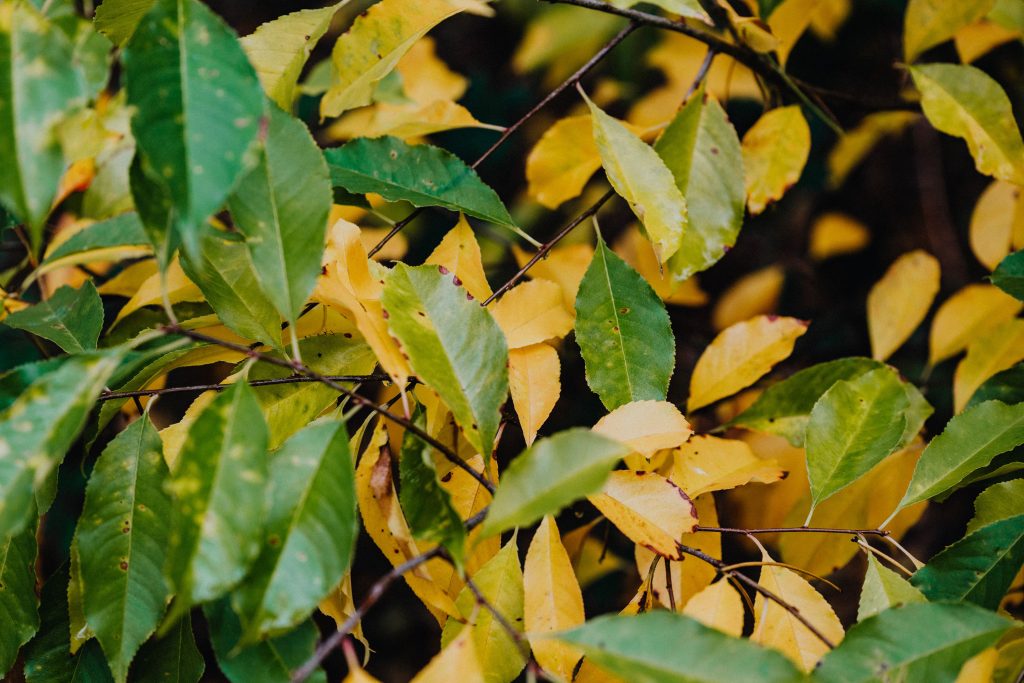
Yellow leaves get attention fast.
A tomato that looked fine last week suddenly has pale lower leaves. Sweet corn looks washed out after a rain. Beans come up light green. Cucumbers sit still with yellowing edges. Peppers look weak even though they were planted on time. A lawn has yellow patches in low spots. A blueberry plant shows yellow leaves with green veins. Flower beds begin fading before summer has even started.
By late May, yellowing is one of the most common signs gardeners, farmers, and landscapers notice.
It is also one of the easiest symptoms to misread.
Yellow leaves do not automatically mean the plant needs more fertilizer. They can mean nitrogen shortage, sulfur shortage, magnesium deficiency, potassium stress, trace mineral limitation, cold soil, wet roots, compaction, transplant shock, herbicide injury, pH problems, root disease, drought stress, overwatering, or simply old leaves being shaded out.
The plant is giving a signal, but it is not giving the full diagnosis.
That is why late-May yellowing should be read in context. The pattern matters. The crop matters. The soil matters. The weather leading up to the symptom matters. A yellow leaf after three days of heavy rain tells a different story than a yellow leaf in a dry raised bed. Yellow lower leaves on sweet corn are not the same as yellow new leaves on blueberries. Pale container plants have different problems than pale field crops.
Late May is an important time to sort this out because crops are moving into stronger growth. Vegetables are rooting and beginning to flower. Lawns are actively growing. fields are establishing stands. Flower beds are filling. Containers are beginning to run through nutrients. If yellow leaves are handled correctly now, plants can recover before summer heat adds another layer of stress.
Start by asking where the yellowing appears
The first useful question is not, “What fertilizer should I use?”
The first question is, “Where is the yellowing on the plant?”
Older leaves and newer leaves tell different stories.
If yellowing begins on older, lower leaves, the issue may involve mobile nutrients such as nitrogen, magnesium, or potassium. Plants can move some nutrients from older leaves to newer growth when supply is short, so the lower leaves often show symptoms first.
If yellowing begins on newer leaves, the issue may involve nutrients that do not move easily inside the plant, pH-related availability, sulfur, iron, root stress, or growing conditions that limit uptake.
If the entire plant is pale, look at nitrogen, sulfur, root health, cold soil, wet soil, or general low fertility.
If leaf edges yellow or scorch, potassium, water stress, salt stress, or root injury may be involved.
If leaves are yellow between green veins, magnesium or iron-type issues may be involved, depending on whether the symptom starts on older or newer leaves.
If yellowing is patchy across a field, bed, or lawn, look at soil moisture, compaction, drainage, fertilizer placement, traffic, pH variation, or irrigation patterns.
This is why a quick glance is not enough. Walk the row. Look at the lower leaves. Look at the new growth. Look at the soil. Dig around the roots. Compare healthy plants to weak plants.
The yellow color is only the beginning of the conversation.
Late May weather can create temporary yellowing
May weather is rarely steady.
One week may be warm and sunny. The next may bring cold rain, cloudy days, and saturated soil. Then a dry wind can pull moisture out of raised beds and containers. That back-and-forth affects nutrient uptake.
Wet soil is one of the most common causes of late-May yellowing. When soil stays saturated, oxygen becomes limited. Roots cannot function well without oxygen. Nutrient uptake slows. Nitrogen may move or be lost depending on soil conditions. Organic nutrient release may slow. Plants may look hungry even when the soil contains nutrients.
Cold soil can also cause yellowing. Warm-season crops like tomatoes, peppers, beans, cucumbers, squash, melons, sweet corn, and basil may look pale when roots are cold. The nutrients may be present, but the plant cannot take them up efficiently. As soil warms and roots expand, color may improve.
Dry soil can create a different kind of yellowing. If roots cannot access water, nutrients do not move well. Containers and raised beds are especially vulnerable in late May because plants are growing larger and weather is warming.
That is why moisture should be checked before fertilizer is applied. If the soil is saturated, wait until roots can breathe. If the soil is dry, water before feeding. If the soil is cold and the plant is simply stalled, heavy fertilizer may not help.
Fertilizer works best when the root zone is active.
Nitrogen shortage usually shows as general pale growth
Nitrogen is the nutrient most people think of first when they see yellow leaves.
That makes sense. Nitrogen supports green growth, leaf development, protein formation, and overall vegetative vigor. When nitrogen is short, plants often become pale green or yellow, especially on older leaves first. Growth slows. Leaves may be smaller. Sweet corn may show yellowing on lower leaves. Leafy greens may lose color. Lawns may look thin or washed out. Heavy-feeding vegetables may stall.
Urea 46-0-0 Nitrogen Fertilizer fits late-May situations where nitrogen is clearly the limiting nutrient and the crop is actively growing.
This product supplies a concentrated nitrogen source. That makes it useful for sweet corn, field corn, leafy vegetables, brassicas, established lawns, and other crops that need a stronger nitrogen response during active growth. It helps solve pale color and weak vegetative growth when the plant truly needs nitrogen.
The timing is important. Urea should be used when roots are active and soil moisture can move nitrogen into the root zone. Late May can be a good window for sidedressing corn, feeding hungry vegetables, or supporting established turf, but the soil should not be saturated or bone dry.
The caution is strength. Urea is high-analysis nitrogen. It should not be placed directly against tender stems, seeds, or roots. It should be watered in or timed with suitable rainfall. It should not be used to force plants that are yellow because of waterlogged soil, cold roots, or disease.
When nitrogen is the problem, urea can be very effective. When nitrogen is not the problem, it can create soft growth, waste, or imbalance.
Ammonium sulfate fits yellowing tied to nitrogen and sulfur
Sometimes a plant needs more than nitrogen.
Sulfur shortage can look a lot like nitrogen shortage because both nutrients are involved in plant growth and protein formation. Crops may look pale, light green, or yellow. Growth may be slow. In some crops, sulfur-related yellowing is more noticeable in newer growth because sulfur is not as mobile inside the plant as nitrogen.
Late May is a common time to think about sulfur because wet spring conditions can limit sulfur availability, especially in sandy soils, low-organic-matter soils, heavily leached soils, and high-demand crops.
Ammonium Sulfate 21-0-0 + 24% Sulfur fits situations where both nitrogen and sulfur are needed.
This product supplies ammonium nitrogen and sulfur. It is useful when crops are pale and the soil or crop history suggests sulfur may be part of the shortage. It can fit corn, brassicas, onions, garlic, lawns, acid-loving ornamentals, and other plants where nitrogen and sulfur together make agronomic sense.
The problem it helps solve is pale growth caused by combined nitrogen and sulfur demand. The timing is late May or early active growth, when the crop can use both nutrients and before the plant falls further behind.
It also has a place around acid-loving plants when soil conditions support that use. Ammonium sulfate can contribute to a more acid-forming fertility program over time, which may be useful for certain ornamentals or berries where pH and nutrient needs align.
The caution is pH and rate. Ammonium sulfate can lower soil pH over time. That may be helpful in some settings and harmful in others. It should not be applied repeatedly without understanding soil pH. It is also a nitrogen source, so it should be counted in the total nitrogen program.
Use ammonium sulfate when the plant needs nitrogen and sulfur, not simply because the leaves are yellow.
Magnesium deficiency often shows between the veins
Magnesium is central to chlorophyll. Without enough magnesium, leaves cannot maintain healthy green color.
A common magnesium deficiency pattern is yellowing between the veins, often on older leaves first. The veins may stay greener while the tissue between them fades. In some crops, the lower leaves may appear striped or mottled. Tomatoes, peppers, potatoes, cucurbits, fruit trees, ornamentals, turf, and container plants can all show magnesium-related symptoms when the soil or media is short.
This symptom is different from a simple nitrogen shortage. Nitrogen shortage usually creates a more general pale color. Magnesium shortage often has that interveinal pattern.
KMS 0-0-21.5 Potassium Magnesium Sulfate fits when potassium, magnesium, and sulfur are needed together.
The magnesium helps support chlorophyll and leaf function. The potassium supports water regulation, plant strength, and stress tolerance. The sulfur supports plant metabolism and can matter in crops with higher sulfur demand. This makes KMS useful in late May when plants are preparing for summer heat and need more than a nitrogen push.
The problem it helps solve is yellowing tied to magnesium shortage, potassium shortage, sulfur need, or a combination of those nutrients. It fits vegetable gardens, fruit trees, flowers, lawns, shrubs, containers, and soils prone to magnesium deficiency or nutrient loss.
The timing is late May through active growth, especially before heat stress increases plant demand. Apply when roots are active and soil moisture can move nutrients into the root zone.
The caution is balance. KMS is not a nitrogen fertilizer. If the plant is pale because it lacks nitrogen, KMS will not give the same response as urea or ammonium sulfate. It also should not be used blindly if magnesium is already high. Too much magnesium can interfere with other nutrient relationships in the soil.
KMS is a good fit when the yellowing pattern and soil history point toward magnesium, potassium, and sulfur balance.
Potassium problems often show along leaf edges
Potassium does not usually create the same full-plant yellowing that nitrogen does.
Instead, potassium shortage often shows on older leaves as yellowing, browning, or scorching along the leaf margins. The edges may look burned while the center of the leaf stays greener. Plants may also show weak stems, poor stress tolerance, uneven fruiting, or reduced ability to handle dry weather.
Late May is an important time for potassium because plants are about to face more water demand. Tomatoes and peppers are moving toward fruiting. Cucumbers and squash are beginning to vine. Lawns are preparing for heat and traffic. Flowers are carrying bloom. Containers are drying faster.
KMS 0-0-21.5 Potassium Magnesium Sulfate can fit when potassium shortage appears alongside magnesium or sulfur need. It is especially useful where leaf edge symptoms, weak color, low magnesium soils, or stress-prone conditions suggest a broader balance issue.
The problem it helps solve is weak potassium-magnesium-sulfur support before summer stress. The timing is late May before hot weather fully exposes the deficiency.
The caution is that yellow leaves with brown edges can also come from drought, salt buildup, root damage, herbicide injury, or disease. In containers, leaf edge burn may mean too much fertilizer rather than too little. In dry soil, potassium uptake may be limited even if potassium is present.
Before applying potassium, check water, roots, and recent fertilizer history.
Trace mineral shortages are real, but they are often misdiagnosed
Small nutrients can create big symptoms.
Iron, manganese, zinc, boron, copper, molybdenum, and other trace minerals are needed in small amounts, but they affect important plant processes. Deficiencies can show up as yellowing, poor growth, weak root development, poor flowering, or general lack of vigor.
The challenge is that trace mineral symptoms often resemble other problems.
A plant may look like it needs iron, but the soil pH may be too high and iron is simply unavailable. A plant may look like it needs trace minerals, but roots may be waterlogged. A vegetable bed may be pale because nitrogen is low, not because trace minerals are missing. A container may be deficient because nutrients have leached, but it may also be root-bound.
Azomite Granular fits late-May programs where growers want to add a broad-spectrum mineral source to support long-term soil fertility and trace mineral availability.
Azomite is not a quick green-up product. It should not be used as a replacement for nitrogen when plants are clearly nitrogen deficient. It is better understood as a mineral amendment that supports the soil’s trace element profile over time.
The problem it helps solve is low or limited trace mineral diversity in soils, gardens, lawns, flower beds, and long-term growing areas where the grower wants broader mineral support. The timing is May bed preparation, early-season topdressing, or long-term soil building when plants are actively growing and the soil system can begin incorporating the material.
For more even blending into soil mixes, gardens, or fine applications, Azomite Powder may be useful where a powdered form fits the application better.
The caution is expectation. Azomite will not turn a yellow nitrogen-starved corn crop green overnight. It will not fix saturated roots. It will not correct pH by itself. It is a trace mineral support product, not a rescue fertilizer.
Use Azomite as part of a long-term fertility program, especially where soil testing, crop history, or repeated production suggests trace mineral support may be helpful.
Blueberries and acid-loving plants need pH checked first
Yellow leaves on blueberries, azaleas, rhododendrons, camellias, and other acid-loving plants often point toward pH and nutrient availability.
A blueberry with yellow leaves and green veins may not be short on nitrogen. It may be struggling because soil pH is too high and iron is not available. Adding a general fertilizer may not correct the issue if the root-zone chemistry is wrong.
This is where ammonium sulfate may fit, but only when the soil conditions support it.
Ammonium Sulfate 21-0-0 + 24% Sulfur can be useful for acid-loving plants because it supplies ammonium nitrogen and sulfur and can support an acid-forming fertility program over time. It helps solve nitrogen need in acid-loving plants where pH, sulfur, and crop requirements align.
The timing is spring or active growth, including late May, when plants can use nitrogen and sulfur. It should be applied carefully and watered in, keeping fertilizer away from stems and crowns.
The caution is that ammonium sulfate is not an instant pH correction for a severely alkaline blueberry bed. If pH is too high, soil correction may take time and should be guided by testing. If pH is already too low, repeated ammonium sulfate can make things worse.
For acid-loving plants, yellow leaves should almost always lead to a pH check.
Lawns can yellow from water, nitrogen, sulfur, or compaction
Late-May lawn yellowing is often uneven.
Low spots may yellow after rain. High spots may fade when dry. Traffic areas may thin and pale. Areas near sidewalks may show stress from heat, compaction, or salt history. Lawns under trees may yellow from shade, roots, and moisture competition. New lawns may yellow where soil preparation was uneven.
A lawn that is uniformly pale and actively growing may need nitrogen. Urea 46-0-0 Nitrogen Fertilizer can fit established turf where a strong nitrogen source is appropriate and the lawn is ready to use it.
A lawn that needs both nitrogen and sulfur may benefit from Ammonium Sulfate 21-0-0 + 24% Sulfur, especially where sulfur support or pH considerations fit the site.
A lawn showing weak stress tolerance, marginal yellowing, or magnesium-related color issues may benefit from KMS 0-0-21.5 Potassium Magnesium Sulfate where potassium, magnesium, and sulfur are needed.
A lawn being managed for long-term mineral support may use Azomite Granular as part of a broader soil program.
But do not fertilize a saturated lawn. Do not apply fertilizer before a runoff-producing storm. Do not feed heavily if the lawn is yellow because roots are waterlogged or compacted. Correct mowing height, moisture, and compaction alongside fertility.
A yellow lawn is not always hungry. Sometimes it is suffocating, scalped, dry, or compacted.
Vegetable gardens need crop-by-crop diagnosis
Vegetables do not all yellow for the same reason.
Sweet corn is a heavy nitrogen user. Pale corn in late May may need nitrogen, especially if it is actively growing and soil moisture is suitable. Urea 46-0-0 fits that use when nitrogen is clearly needed. Ammonium Sulfate fits if sulfur is also part of the need.
Tomatoes may yellow from transplant shock, nitrogen shortage, wet soil, cold soil, magnesium shortage, or early disease. If lower leaves are yellow and the plant is otherwise growing, observe before overreacting. If interveinal yellowing appears on older leaves, magnesium may be part of the issue and KMS may fit.
Peppers often yellow when planted into cool soil or when roots are slow. Heavy feeding too early can do more harm than good. Once peppers are rooted and actively growing, mild corrections can help.
Cucumbers and squash may yellow from cold, transplant stress, low nitrogen, saturated soil, insects, or potassium shortage. Leaf edge symptoms deserve a closer look at potassium and water stress.
Beans and peas generally do not need heavy nitrogen when nodulation is working. Yellow beans in cold, wet soil may need warmer roots more than fertilizer.
Onions and garlic can yellow from nitrogen shortage, sulfur need, wet roots, disease, or natural maturity depending on stage. Ammonium sulfate may fit where nitrogen and sulfur are needed, but timing matters.
Root crops can yellow from low fertility, poor spacing, crusting, or wet soil. Heavy nitrogen can push tops instead of roots, so fertilizer should be moderate.
The same yellow color can mean different things in each crop.
Containers yellow faster because nutrients leach
Containers are often the first place late-May yellowing appears.
That is because potting mix has limited nutrient reserve. Every watering can move nutrients out through the drainage holes. As plants grow larger, they use water and nutrients faster. Hanging baskets, patio tomatoes, herbs, peppers, flowers, and nursery pots can fade quickly if feeding does not keep up.
Yellowing in containers can mean nitrogen shortage, but it can also mean overwatering, poor drainage, salt buildup, root binding, or a pot that is simply too small.
Before feeding, check the container.
Is it light and dry?
Is it heavy and soggy?
Are roots circling tightly?
Does water run straight through without wetting the mix?
Is there white crust on the pot or soil surface?
Has the plant been fed recently?
Is the pot sitting in a saucer of water?
For container crops that need nitrogen, a careful soluble or liquid feeding program may be needed. Among the products in this topic, Urea 46-0-0 is generally too concentrated for casual container use unless the grower is very precise and following appropriate directions. Ammonium Sulfate can also be too strong if mishandled in small root volumes.
KMS may fit containers where potassium, magnesium, and sulfur are needed, but rates must be careful. Azomite Powder may fit soil mixes where trace mineral support is desired.
Containers need smaller, more consistent feeding than garden beds. They also need excellent drainage.
Wet roots can look like nutrient deficiency
One of the most misleading late-May situations is yellowing after heavy rain.
A tomato in saturated soil may turn yellow. A lawn in a low spot may yellow. Sweet corn may pale. Beans may stall. Flower beds may fade. The first reaction is often to fertilize.
But roots in saturated soil cannot function normally. Oxygen is limited. Nutrient uptake slows. Disease pressure may increase. The plant may look hungry because it cannot feed, not because no nutrients exist.
Fertilizing too soon may waste product or stress the plant further.
If yellowing follows wet weather, wait for the soil to drain before applying fertilizer. Dig near the roots. Healthy active roots are usually light-colored and firm. Stressed roots may be brown, weak, or sparse. If the soil smells sour or anaerobic, oxygen has been limited.
Once the soil is workable and roots show recovery, feeding may help. Use Urea if nitrogen is clearly needed. Use Ammonium Sulfate if nitrogen and sulfur are both needed. Use KMS if potassium, magnesium, and sulfur balance is the issue.
The timing matters more than the urge to act quickly.
Dry roots can yellow too
Dry stress can also create yellow leaves.
Raised beds, sandy soils, containers, and newly planted landscapes can dry faster than expected in late May. A plant that dries repeatedly may lose lower leaves, show leaf edge burn, stall, or drop flowers. Nutrient uptake becomes uneven because nutrients move to roots through soil water.
A dry plant may not need fertilizer first. It may need a deeper watering pattern.
Water the root zone thoroughly. Then feed after the plant has recovered and roots are active. Applying fertilizer to dry roots can increase stress.
This matters especially for Urea 46-0-0 and Ammonium Sulfate because both are nitrogen fertilizers and should be watered in properly. It also matters for KMS and Azomite because nutrients and minerals need soil moisture and contact to become useful.
A dry root zone makes even the right fertilizer perform poorly.
Yellow leaves after transplanting need patience
Transplants often lose older leaves.
A tomato may yellow at the bottom after planting. A pepper may drop a leaf. A cucumber may look pale for several days. Annual flowers may fade slightly before new growth begins. This can be normal transplant adjustment, especially if the plant moved from a greenhouse to wind, sun, cooler nights, or different soil.
The key is new growth.
If new growth is green and the plant is beginning to root, the yellow lower leaves may not be serious. Remove badly yellow or diseased leaves if needed, but do not panic. If the whole plant is becoming pale and not growing, check roots, moisture, soil temperature, and fertility.
A gentle correction may help once roots are active. Heavy nitrogen too early can push top growth before the roots are ready.
For strong nitrogen need after establishment, Urea may fit appropriate crops. For nitrogen plus sulfur, Ammonium Sulfate may fit. For potassium, magnesium, and sulfur balance, KMS may fit. For long-term mineral support in beds, Azomite Granular may fit.
The main point is not to fertilize a transplant before it can use the fertilizer.
Soil pH can make nutrients unavailable
Sometimes the nutrient is in the soil but unavailable.
Soil pH affects nutrient availability. If pH is too high or too low, plants may show yellowing even when fertilizer has been applied. Blueberries in high-pH soil are a common example. Lawns, vegetables, and ornamentals can also show pH-related nutrient issues depending on soil type and crop.
If yellowing repeats in the same bed every year, test the soil.
If the soil pH is off, fertilizer may give only temporary or limited response. Urea, ammonium sulfate, KMS, and Azomite all have roles, but none of them replace a soil pH correction program when pH is the main limitation.
Ammonium Sulfate can help support acid-forming fertility over time, but it should not be treated as an instant solution for a serious pH problem. Azomite can support trace minerals, but if pH is limiting availability, mineral additions alone may not correct the symptom.
Soil testing turns yellow leaves from guesswork into a plan.
How to choose the right product in late May
Use Urea 46-0-0 Nitrogen Fertilizer when yellowing is clearly tied to nitrogen shortage in actively growing crops. It fits corn, sweet corn, leafy vegetables, brassicas, established lawns, and other plants that need a strong nitrogen source. Apply when soil moisture is suitable and water it in.
Use Ammonium Sulfate 21-0-0 + 24% Sulfur when the plant needs nitrogen and sulfur together. It fits crops where sulfur shortage is likely, such as corn, brassicas, onions, garlic, lawns, and acid-loving plants where soil pH and fertility needs support its use. Apply during active growth and monitor soil pH over time.
Use KMS 0-0-21.5 Potassium Magnesium Sulfate when yellowing or weak growth points toward magnesium, potassium, and sulfur need. It fits gardens, fruit trees, flowers, lawns, shrubs, and containers where soil tests, symptoms, or crop history support those nutrients.
Use Azomite Granular or Azomite Powder when the goal is broad trace mineral support as part of a longer-term soil program. It fits gardens, lawns, flower beds, and growing areas where trace mineral diversity matters, but it should not be used as a quick correction for nitrogen, sulfur, potassium, or magnesium deficiency.
Each product solves a different problem. The right product depends on the yellowing pattern, crop stage, soil condition, and recent weather.
Late-May yellowing is a chance to correct before summer
Yellow leaves are not always bad news.
They are a warning. In late May, that warning often comes early enough to act. A plant that is pale now may recover well if the cause is found. A lawn that is yellow in spots may still build roots before summer. A garden bed that is showing nutrient imbalance can be corrected before fruiting demand peaks. A container that is fading can be put on a better watering and feeding rhythm.
The worst response is guessing.
Do not apply nitrogen to every yellow plant. Do not add trace minerals when the soil is saturated. Do not use magnesium when the plant needs nitrogen. Do not feed a dry container before watering it properly. Do not ignore pH in acid-loving plants. Do not assume a yellow lower leaf means the whole plant is failing.
Look first. Dig second. Feed third.
Supply Solutions offers practical products for different yellow-leaf situations in late May. Urea 46-0-0 Nitrogen Fertilizer fits clear nitrogen hunger in actively growing crops. Ammonium Sulfate 21-0-0 + 24% Sulfur fits nitrogen and sulfur needs where crop and soil conditions support it. KMS 0-0-21.5 Potassium Magnesium Sulfate fits potassium, magnesium, and sulfur balance before summer stress. Azomite Granular and Azomite Powder fit long-term trace mineral support in soils and beds that need a broader mineral foundation. Used with careful observation and proper timing, these products help turn yellow leaves into useful information instead of a rushed mistake. Contact Supply Solutions for help matching the yellowing pattern in your field, garden, lawn, container, or landscape to the right fertilizer decision.