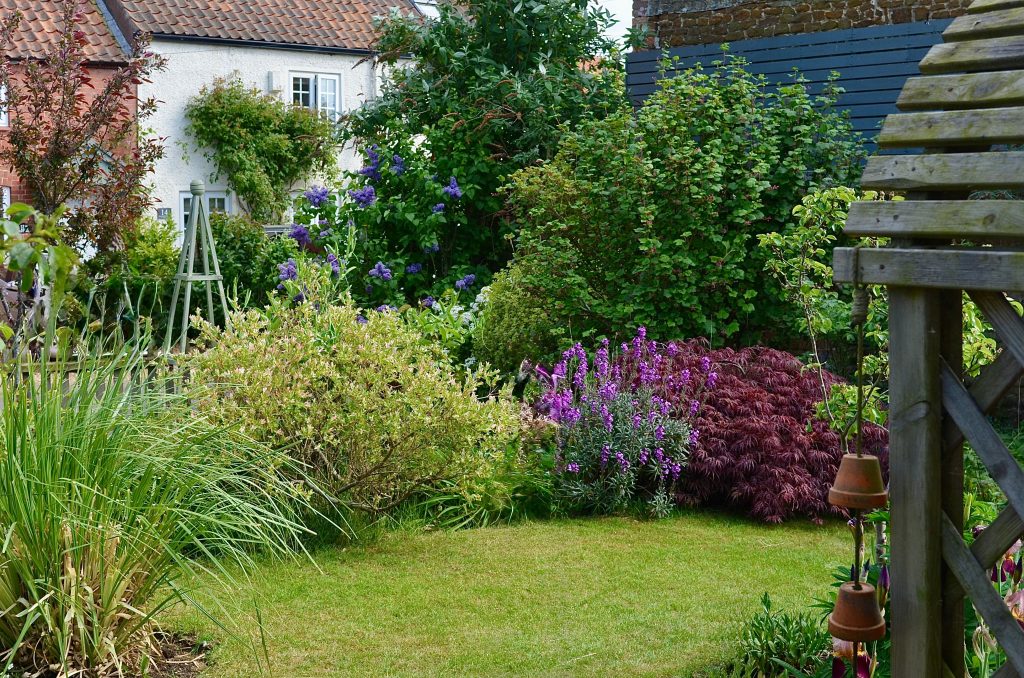
Late June is a useful moment to slow down and look at the whole growing system.
By now, the season has enough history to teach something. Spring planting is behind us. Early fertilizer has either worked, faded, leached, or shown its limits. Roots are established or struggling. Lawns have revealed dry spots. Containers are demanding daily attention. Tomatoes and peppers are setting fruit. Cucumbers and squash may already be producing. Melons and pumpkins are running. Flower beds are trying to hold color. Fruit trees and berries are carrying or finishing a crop. Raised beds may already be moving into second plantings.
July will not make these systems easier.
Heat usually increases. Water demand rises. Nutrient mistakes show faster. Nitrogen excess becomes more risky. Potassium demand becomes more important. Calcium movement becomes more visible in fruit quality. Containers become less forgiving. Lawns under traffic need strength more than soft growth. Clay soils may seal and shed water. Sandy soils may leach and dry quickly. Heavy rain can wash nutrients or leave roots short on oxygen. Long dry spells can shut down uptake even when fertilizer is present.
That is why late June is not just another feeding date.
It is a review point.
Before moving into July fertility management, growers should ask what the plant is doing now, what the soil is doing below the surface, how water is moving, and whether the next fertilizer application matches the crop stage. The right July program is often different from the right May program. A product that helped transplants establish may not be the best product for fruit load. A nitrogen push that greened a lawn in spring may not be right for heat-stressed turf. A general fertilizer that helped a raised bed early may need to give way to potassium, calcium, or root-zone support.
For this late-June review, four Supply Solutions products fit naturally: Soil Probe And Analysis Kit, KMS 0-0-21.5 Potassium Magnesium Sulfate, Calcium Nitrate 15.5-0-0 + 19% Ca, and HumiPro(K) WSP. The Soil Probe And Analysis Kit helps growers stop guessing and check what is happening in the root zone. KMS supports potassium, magnesium, and sulfur without adding nitrogen. Calcium Nitrate supplies soluble calcium and nitrate nitrogen for fruiting crops that need active calcium support. HumiPro(K) WSP supports root-zone conditioning and nutrient movement as heat and irrigation pressure increase.
The point is not to apply all of them everywhere. The point is to review the need before choosing the tool.
Start With The Root Zone
July fertility should begin below the surface.
That sounds simple, but it is often skipped. Growers see yellow leaves, wilting plants, fading lawns, or slow fruiting and immediately think fertilizer. Sometimes fertility is part of the issue. Sometimes the real problem is dry soil, saturated roots, compaction, shallow watering, poor drainage, or a root system that never developed well after spring stress.
The root zone decides whether fertilizer can work.
A dry root zone cannot move nutrients efficiently. A saturated root zone cannot breathe. A compacted root zone limits water, oxygen, and root spread. A raised bed that dries at the edges may stress plants even while the center looks fine. A container may feel moist on top but be dry in the middle. A lawn may look green but have shallow roots because irrigation has been too light.
The Soil Probe And Analysis Kit fits this review because it helps growers check soil conditions instead of relying only on surface symptoms. A probe can reveal moisture depth, compaction, layering, and differences between areas. The analysis side helps guide fertility decisions with more information.
The problem this kit helps solve is late-season guesswork.
Before July applications begin, growers should know whether the soil is dry, wet, compacted, depleted, or already carrying enough fertility. Fertilizer decisions made without that information often become expensive guesses.
Review Moisture Before Reviewing Nutrients
Water controls nutrient uptake.
That becomes more obvious in July than in any earlier part of the season. Nutrients may be present, but if moisture is wrong, plants cannot use them well. A tomato can show blossom end rot because calcium movement was interrupted by dry-down. A lawn can fail to respond to fertilizer because water is running off compacted soil. A container can yellow because roots are saturated, not because fertilizer is missing. A raised bed can look tired because repeated watering has leached nutrients and still left the bed unevenly moist.
Before applying July fertilizer, check moisture depth.
Do not rely on the surface. Mulch can be damp while soil below is dry. Clay can be crusted on top but wet underneath. Sandy soil can look fine and dry quickly. Containers can have a wet top layer and dry root ball. Lawns can have green blades but dry soil below shallow roots.
Use the Soil Probe And Analysis Kit to compare areas. Check vegetable beds, flower beds, lawns, fruit plantings, and raised beds separately. The driest part of the bed is often the limiting area, not the average condition.
If soil is dry, water comes before fertilizer. If soil is saturated, drainage and oxygen come before fertilizer. If moisture is uneven, irrigation should be adjusted before nutrients are blamed.
Fertility management begins with whether roots can receive the fertility.
Look For What June Applications Actually Did
A late-June review should include what has already been applied.
This matters because fertilizer decisions build on each other. A bed that received compost, 10-10-10, liquid feed, calcium, and potassium is different from a bed that received only compost at planting. A lawn that was fed heavily in spring is different from one that has not been fed since last fall. A container receiving weekly soluble feed is different from one relying on slow-release fertility from purchase.
Ask what the plants did after each application.
Did new growth improve? Did color deepen? Did fruit set continue? Did blossom end rot slow on new fruit? Did older leaves keep yellowing? Did the lawn green but then fade again? Did a container improve briefly and then crash? Did dry spots respond to watering? Did the plant grow more leaves but not more fruit?
Those responses help decide the next step.
If nitrogen produced fast soft growth but fruiting slowed, July should probably not repeat that mistake. If potassium support helped plants handle heat better, the crop may need continued potassium attention. If calcium support was applied but water remained inconsistent, the water pattern still needs correction. If root-zone support improved response, maintaining root activity may be a priority.
Good July fertility is based on observed response, not habit.
Separate Nitrogen Need From Nitrogen Habit
Nitrogen is important, but July is when nitrogen habit can cause problems.
Many growers are used to feeding when plants look tired. Nitrogen gives a visible response, so it becomes the default. Lawns green. Vegetables push leaves. Flowers look fuller for a short time. That quick response can feel like success.
But in July, too much nitrogen can work against the plant.
Fruiting vegetables may become leafy instead of balanced. Tomato canopies can become dense and humid. Pepper plants can push foliage while fruit set slows. Melon vines can run hard without improving fruit sizing. Lawns can produce soft growth that needs more water and mowing. Ornamentals can become tender and more vulnerable to heat stress.
Before adding nitrogen, ask whether the plant needs growth or strength.
A pale, weak crop may still need nitrogen. A leafy green crop regrowing after harvest may need nitrogen. A warm-season lawn in active growth may need measured nitrogen. But a green, fruiting crop may need potassium, calcium, magnesium, or water consistency more than nitrogen. A heat-stressed lawn may need water penetration and potassium support more than a hard nitrogen push.
July fertilizer should not be driven by the desire for quick green color alone.
Review Potassium Before Heat Peaks
Potassium becomes more important as July approaches.
It supports water regulation, plant strength, stress tolerance, fruit development, and overall function under heat. Many June crops are now moving into the stage where potassium demand rises sharply. Tomatoes are carrying clusters. Peppers are setting fruit. Cucumbers and squash are producing. Melons are preparing for fruit sizing. Fruit trees and berries are carrying or recovering from fruit. Lawns are facing heat and traffic. Ornamentals are trying to hold leaves and color.
KMS 0-0-21.5 Potassium Magnesium Sulfate fits this July transition because it supplies potassium, magnesium, and sulfur without nitrogen.
The potassium supports stress tolerance and water regulation. The magnesium supports chlorophyll and leaf function. The sulfur supports plant metabolism. Together, those nutrients fit many crops that need summer resilience but should not be pushed with extra nitrogen.
The problem KMS helps solve is midseason stress support where potassium, magnesium, and sulfur are needed together. It can fit vegetables, fruit trees, berries, lawns, ornamentals, raised beds, containers, and small farm crops when the need is present.
The timing is late June into early July, before heat stress fully peaks and while roots are still active. It is especially useful when plants are already green enough but need stronger summer function.
The caution is that KMS is not a complete fertilizer. It does not supply nitrogen or phosphorus. If a plant is generally underfed and pale from nitrogen shortage, KMS alone will not correct the whole issue. It should be used where potassium, magnesium, and sulfur fit the actual need.
Magnesium Deserves A July Review
Magnesium often becomes visible as crops carry more leaf and fruit.
Older leaves may begin yellowing between veins. Lawns may look dull even with reasonable nitrogen. Fruit crops may lose leaf efficiency. Vegetables may still be growing but not functioning as strongly as expected. Magnesium supports chlorophyll, and chlorophyll supports the leaf’s ability to capture sunlight and feed the plant.
July puts pressure on leaves.
Leaves are cooling the plant, feeding fruit, recovering after harvest, tolerating heat, and supporting root growth. If magnesium is short, the plant may struggle to maintain that function. This is especially noticeable in high-demand crops and leaching-prone soils.
KMS is useful when potassium and magnesium are both part of the need. That combination matters because July stress is rarely about one nutrient alone. A crop under fruit load may need potassium for fruiting and water regulation while also needing magnesium to keep leaves functioning.
Do not assume every yellow leaf is magnesium deficiency. Older leaves can yellow from nitrogen shortage, disease, shading, water stress, natural aging, or root problems. But magnesium should be reviewed before July if symptoms and soil history point that direction.
Calcium Timing Matters Before Fruit Problems Spread
Calcium-related fruit issues often become more visible as summer production increases.
Tomatoes are the obvious example. Blossom end rot can show on early fruit, especially after moisture swings. Peppers can also show calcium-related quality issues. Cucumbers, squash, melons, and other fruiting crops depend on healthy calcium movement during tissue development.
The important word is movement.
Calcium may be present in soil and still fail to reach developing fruit consistently. Calcium moves with water through the plant. If soil dries hard, uptake slows. If roots are saturated, uptake slows. If roots are damaged, movement suffers. If the plant is pushed into excessive leafy growth, fruit may receive less consistent delivery during stress.
Calcium Nitrate 15.5-0-0 + 19% Ca fits this July transition because it supplies soluble calcium and nitrate nitrogen.
The problem Calcium Nitrate helps solve is active calcium demand in fruiting crops during flowering, fruit set, and early fruit sizing. It fits tomatoes, peppers, cucumbers, squash, melons, greenhouse crops, raised beds, and containers where soluble calcium support is needed.
The timing is before future fruit are damaged. Fruit already showing blossom end rot will not heal. The goal is to support new and developing fruit.
The caution is nitrogen. Calcium Nitrate supplies nitrate nitrogen, so it should be used with awareness. If plants are already very leafy and dark green, a calcium strategy should avoid creating excess vegetative growth.
Calcium support must always be paired with steady moisture.
Root-Zone Efficiency Becomes More Important In July
By July, the plant’s ability to use nutrients often matters as much as the amount applied.
Soils can contain nutrients that roots cannot access well. Water may not move evenly. Compaction may limit root spread. Organic matter may be present but inactive in dry soil. Fertilizer response may be uneven across a bed, lawn, or field edge. Raised beds may leach quickly. Containers may swing between dry and wet. Landscape beds may have mulch that protects moisture in one area and hides dryness in another.
HumiPro(K) WSP fits this transition because it supports root-zone conditioning, nutrient movement, and soil efficiency.
It is not a standard NPK fertilizer. Its value is in helping the root-zone environment function better. That can matter in July because plants need roots to keep working under heat and water pressure.
The problem HumiPro(K) helps solve is inefficient nutrient movement and uneven root-zone performance. It fits gardens, lawns, raised beds, field crops, fruit plantings, ornamental beds, greenhouse systems, and landscapes where plant response is limited by soil function rather than one obvious nutrient shortage.
The timing is late June into July while roots are active and before stress becomes severe. It should be used when soil moisture can carry it into the root zone.
The caution is expectation. HumiPro(K) does not replace nitrogen, potassium, calcium, magnesium, or other nutrients when those are deficient. It also does not fix severe compaction, drainage failure, or dry soil by itself. It works best as part of a broader program.
Raised Beds Need A July Reset
Raised beds often need review before July because they change quickly.
They warm fast, drain fast, and support dense plantings. Early crops may have already been harvested. Compost and spring fertilizer may have been used by plants or moved by watering. Edges may dry faster than centers. Fruit crops may be entering high demand. Second plantings may be going into soil that is no longer as fertile as it looked in spring.
Start with moisture and soil testing.
Use the Soil Probe And Analysis Kit to check depth, moisture, and sampling needs. Raised beds can be deceptive because the surface may look fine while deeper areas are dry or depleted.
If fruiting crops are established and need potassium, magnesium, and sulfur support without more nitrogen, KMS may fit.
If tomatoes, peppers, or other fruiting crops need soluble calcium and measured nitrate nitrogen, Calcium Nitrate may fit.
If the bed’s root-zone efficiency and nutrient movement need support, HumiPro(K) may fit.
Raised beds should not be fed by habit. Because they respond quickly, mistakes also show quickly.
Containers Need Smaller Decisions
Containers need a separate July review.
A container has less root volume, less nutrient reserve, and less moisture buffer than ground soil. By July, hanging baskets, patio tomatoes, peppers, citrus, blueberries, herbs, flowers, strawberries, and mixed planters may be fully dependent on the grower’s watering and feeding rhythm.
The biggest mistake is heavy rescue feeding.
A container that dries daily does not need a strong fertilizer mix as the first response. It needs proper watering, drainage, and smaller consistent feeding. A container that is saturated does not need more nutrients poured into wet roots. It needs drainage and oxygen. A pale container may be underfed, but it may also have pH issues, salt buildup, root restriction, or water stress.
Before July feeding, check pot size, drainage, moisture, and plant stage.
For container fruiting crops where calcium support is needed, Calcium Nitrate can fit, but use care because containers are less forgiving.
Where potassium, magnesium, and sulfur support are needed without nitrogen, KMS can fit in appropriate container programs, again with careful rates and moisture management.
HumiPro(K) can support root-zone efficiency where container roots are active and water movement is managed well.
Containers should be reviewed often because they change quickly under July heat.
Lawns Need Strength Not Just Color
Lawns entering July should be managed for durability.
The question is not only whether the lawn is green. The question is whether it can hold up under heat, mowing, traffic, pets, and dry spells. A lawn that is pushed hard with nitrogen may green quickly but fail when heat rises. A lawn with shallow roots may look fine after rain and decline during the next dry stretch. A lawn with poor water penetration may never respond evenly to fertilizer.
Before July, review turf type, soil moisture, mowing height, water movement, and traffic.
Cool-season lawns may need restraint as heat increases. Warm-season lawns may be actively growing and able to use summer fertility. High-traffic areas may need compaction relief and potassium support. Dry spots may need water movement correction before more fertilizer.
The Soil Probe And Analysis Kit can help identify moisture and compaction patterns.
KMS may fit lawns needing potassium, magnesium, and sulfur support without extra nitrogen.
HumiPro(K) may fit where root-zone efficiency and nutrient movement need support.
July lawn care should protect roots first and color second.
Fruiting Vegetables Need Stage-Based Fertility
Tomatoes, peppers, cucumbers, squash, eggplant, okra, melons, pumpkins, and beans should not all receive the same July treatment.
Some are already producing. Some are just beginning fruit set. Some are still building vines. Some are pale and underfed. Some are dark green and too leafy. Some are limited by water, pollination, heat, or root stress more than nutrients.
Review crop stage before applying anything.
If tomatoes and peppers are forming fruit and calcium support is needed, Calcium Nitrate can fit, especially when paired with consistent water.
If fruiting crops are green enough but need potassium, magnesium, and sulfur support for July heat and fruit load, KMS can fit.
If the soil’s nutrient movement and root-zone function seem uneven, HumiPro(K) may fit.
Use the Soil Probe And Analysis Kit when the bed history is unclear or symptoms repeat.
Fruiting vegetables need support for production, not just more foliage.
Flowers And Ornamentals Need Restraint
Flower beds, roses, hydrangeas, shrubs, and annual displays often look tired before July.
The reaction is often more fertilizer, but the cause may be heat, dry soil, root competition, fading blooms, pests, disease, or water stress. Ornamentals do need fertility, but they also need grooming, mulch, airflow, and root-zone support.
Before July, review what the plant is asking for.
A rose after a bloom flush may need pruning, deadheading, and balanced feeding. A hydrangea that wilts every afternoon may need moisture management more than fertilizer. Annuals that are leggy may need trimming before feeding. Shrubs near pavement may need better water and potassium support rather than nitrogen push.
KMS may fit ornamentals that need potassium, magnesium, and sulfur support for heat stress and leaf function without more nitrogen.
HumiPro(K) may fit beds where root-zone performance and nutrient movement are limiting response.
The Soil Probe And Analysis Kit can help check whether ornamental beds are dry below mulch or compacted from traffic and maintenance.
July ornamental fertility should support strength, not force soft growth.
Fruit Trees And Berries Need Post-Bloom Balance
Fruit trees, berries, and patio fruit need a different July review than annual vegetables.
By late June, some berries may be ripening or finishing. Some fruit trees may be sizing fruit. Grapes may be developing clusters. Container citrus may be carrying small fruit. Figs may be pushing leaves and early fruit. The plant may be supporting this year’s crop while also preparing buds, wood, and reserves for future growth.
Excess nitrogen can be a problem.
It may push soft shoots, increase pruning needs, reduce airflow, or distract from fruiting balance. Potassium and magnesium may be more important where fruit load and leaf function are the issue. Calcium may matter in certain fruit quality programs. Water consistency is essential during fruit sizing.
KMS can fit fruit trees and berries needing potassium, magnesium, and sulfur support without nitrogen.
Calcium Nitrate can fit certain actively growing fruit systems where soluble calcium and nitrate nitrogen are appropriate, but crop type, timing, and nitrogen sensitivity matter.
HumiPro(K) can support root-zone efficiency in orchards, berry rows, and patio fruit systems.
The Soil Probe And Analysis Kit can help identify moisture and fertility patterns before the same fruit problems repeat.
Watch Weather Before Applying July Fertilizer
Weather should shape application timing.
A strong fertilizer plan can still fail if applied before the wrong weather event. A heavy storm can wash nutrients away or saturate roots. A dry heat wave can leave fertilizer sitting near the surface with poor uptake. Wind and heat can dry containers and raised beds quickly. Hot nights can reduce fruit set regardless of feeding. Repeated rain can leach nitrogen and sulfur from sandy soils.
Before applying July fertility, check the forecast and the soil.
If heavy runoff-producing rain is expected, wait. If a gentle soaking rain is coming, it may help move nutrients into the root zone. If irrigation is available, controlled watering may be better than relying on storms. If dry heat is building, water management should come first.
Calcium Nitrate depends on steady water movement for calcium uptake. KMS needs moisture to move potassium and magnesium into roots. HumiPro(K) should reach an active root zone, not sit on dry soil. Soil testing and probing are more useful when moisture patterns are understood.
Weather does not change the plant’s needs, but it changes when the plant can use what is applied.
Review What Fertilizer Cannot Fix
Some July problems are not fertilizer problems.
Poor pollination will not be corrected by more nutrients. Squash fruit aborting may be pollination or heat related. Tomato blossom drop may be caused by hot nights. A shaded lawn may not thicken with fertilizer if light is the limiting factor. A container that is too small cannot be fed into having more root volume. A waterlogged bed needs drainage. A compacted path needs traffic relief and soil correction. Pest pressure needs scouting. Disease needs airflow, sanitation, and proper management.
Fertilizer is powerful when it addresses the limiting factor.
It is wasteful when it is used to avoid diagnosis.
Before July, review whether symptoms match fertility or something else. Look under leaves for insects. Check stems for damage. Check root zones for moisture. Look at irrigation coverage. Review mowing. Watch pollination activity. Check whether flowers are dropping during heat. Notice whether damaged fruit are old symptoms or new symptoms.
Use Soil Probe And Analysis Kit to reduce guessing below ground. Use Calcium Nitrate, KMS, and HumiPro(K) when their purpose matches the actual need.
Do not ask fertilizer to solve non-fertility problems by itself.
Build A July Fertility Priority List
A practical July review should end with priorities.
Not every area needs the same correction. A garden may need calcium in tomatoes, potassium support in melons, root-zone support in raised beds, water checks in containers, and no nitrogen on an already lush pepper bed. A lawn may need water penetration in dry spots and measured feeding only in active areas. A flower bed may need trimming before feeding. A fruit tree may need water consistency more than fertilizer.
Make the list by need.
The first priority is root-zone condition. Is water reaching active roots? Is soil compacted? Is drainage adequate? Are containers functioning?
The second priority is crop stage. Is the plant vegetative, flowering, fruiting, recovering after harvest, or entering heat stress?
The third priority is nutrient balance. Does the plant need nitrogen, potassium, calcium, magnesium, sulfur, or broader soil support?
The fourth priority is timing. Can the plant use the application this week based on moisture and weather?
This approach prevents overfeeding and underfeeding at the same time.
A good July plan may use Calcium Nitrate in fruiting crops where calcium and nitrate nitrogen fit. It may use KMS where potassium, magnesium, and sulfur support are needed without nitrogen. It may use HumiPro(K) where root-zone efficiency is limiting response. It may start with the Soil Probe And Analysis Kit where the grower needs better information before applying anything.
A Practical Late-June Review Walk
Walk the property in the morning.
Look for plants that recovered overnight and plants that did not. Morning wilt is more serious than temporary afternoon flagging. Check containers by weight and moisture. Look at lawns before heat builds. Inspect vegetable beds before leaves droop. Note which areas already look stressed.
Walk again in late afternoon.
See which plants wilt first. Notice where lawns turn gray-green. Watch which containers dry fastest. Look at raised bed edges. Check plants near pavement, fences, walls, and reflective surfaces.
Then check the soil.
Use the Soil Probe And Analysis Kit to check moisture depth, compaction, and sampling needs. Pull mulch back. Compare wet and dry areas. Check under dense foliage. Look at clay and sandy zones separately.
Then check crop stage.
Tomatoes, peppers, cucumbers, squash, melons, lawns, flowers, fruit trees, berries, containers, and ornamentals are not all in the same stage. Write down what each area is doing now.
Then match the product to the need.
Use Calcium Nitrate 15.5-0-0 + 19% Ca where soluble calcium and nitrate nitrogen fit fruiting crops during active growth, fruit set, and early sizing.
Use KMS 0-0-21.5 Potassium Magnesium Sulfate where potassium, magnesium, and sulfur support are needed for fruiting, leaf function, heat stress, or turf resilience without adding nitrogen.
Use HumiPro(K) WSP where root-zone conditioning, nutrient movement, and soil efficiency need support before July stress increases.
Use testing, observation, and moisture checks before making broad applications.
Entering July With Better Decisions
July fertility management should feel different from spring fertility.
Spring feeding is often about establishment. July feeding is about sustaining function under stress. The plants are larger. The water demand is higher. Fruit load is heavier. Lawns are under heat and traffic. Containers are nearly out of buffer. Flower beds are trying to keep color through hot days. Soil biology depends on moisture and oxygen. Mistakes show faster.
The best growers do not enter July by simply applying more fertilizer.
They review the system first.
They check the root zone. They read the crop stage. They separate nitrogen need from nitrogen habit. They support potassium before heat weakens the plant. They correct calcium timing before fruit problems spread. They support root-zone efficiency where nutrient movement is uneven. They recognize dry soil, saturated soil, compaction, pests, disease, and pollination issues before blaming fertility.
Supply Solutions offers practical tools for that review and the July program that follows. The Soil Probe And Analysis Kit helps farmers, gardeners, landscapers, and small growers understand moisture, soil condition, and fertility needs before guessing. KMS 0-0-21.5 Potassium Magnesium Sulfate fits crops, lawns, fruit plantings, flowers, raised beds, and containers that need potassium, magnesium, and sulfur support without a nitrogen push. Calcium Nitrate 15.5-0-0 + 19% Ca fits tomatoes, peppers, melons, cucumbers, squash, greenhouse crops, and other fruiting plants that need soluble calcium and nitrate nitrogen during active fruit development. HumiPro(K) WSP fits root-zone support where soil conditioning, nutrient movement, and uptake efficiency need help before July heat peaks. Used with steady water, soil testing, proper timing, and crop-stage awareness, these products help move the season forward with better decisions instead of stronger guesses. Contact Supply Solutions for guidance on building a July fertility plan for vegetables, lawns, fruit crops, raised beds, containers, ornamental beds, or small farm production.