
Spring is a critical time for establishing strong, productive crops. While nitrogen and phosphorus often receive most of the attention, potassium is equally essential during early fruit and vegetable development. Potassium supports root growth, water regulation, enzyme activation, and overall plant health. Crops that receive sufficient potassium early in the season develop stronger stems, more […]
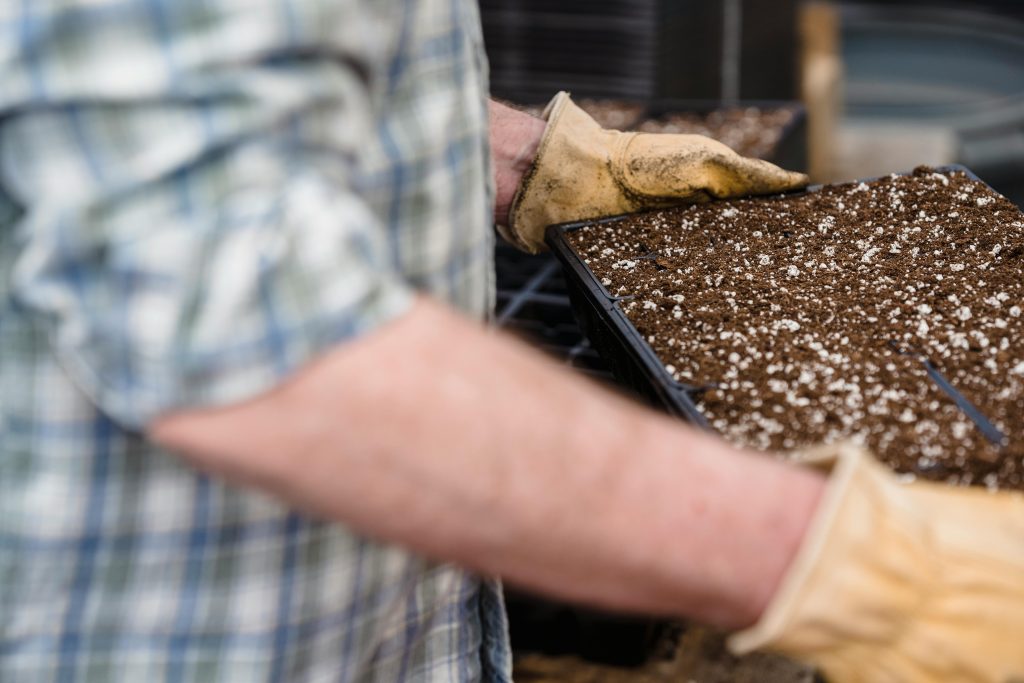
Spring is one of the most critical times for farmers and gardeners to set their fields and gardens up for success. While balanced fertilizers and nutrient-rich amendments are essential, the activity of soil microorganisms can have just as much influence on crop growth. Healthy soil microbiology improves nutrient availability, supports root development, and enhances fertilizer […]
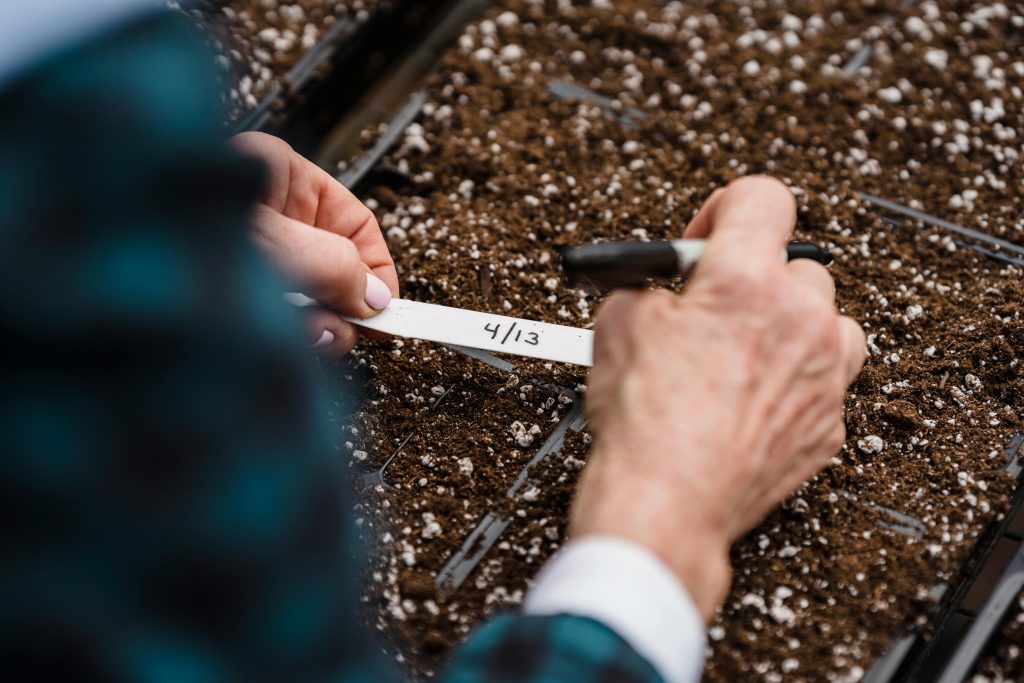
As spring planting begins and crops start developing their first leaves and roots, growers often focus heavily on nitrogen, phosphorus, and potassium. While these nutrients are critical for plant growth, another nutrient plays an equally important role during early development. Calcium is essential for plant structure, root health, and the prevention of several common crop […]
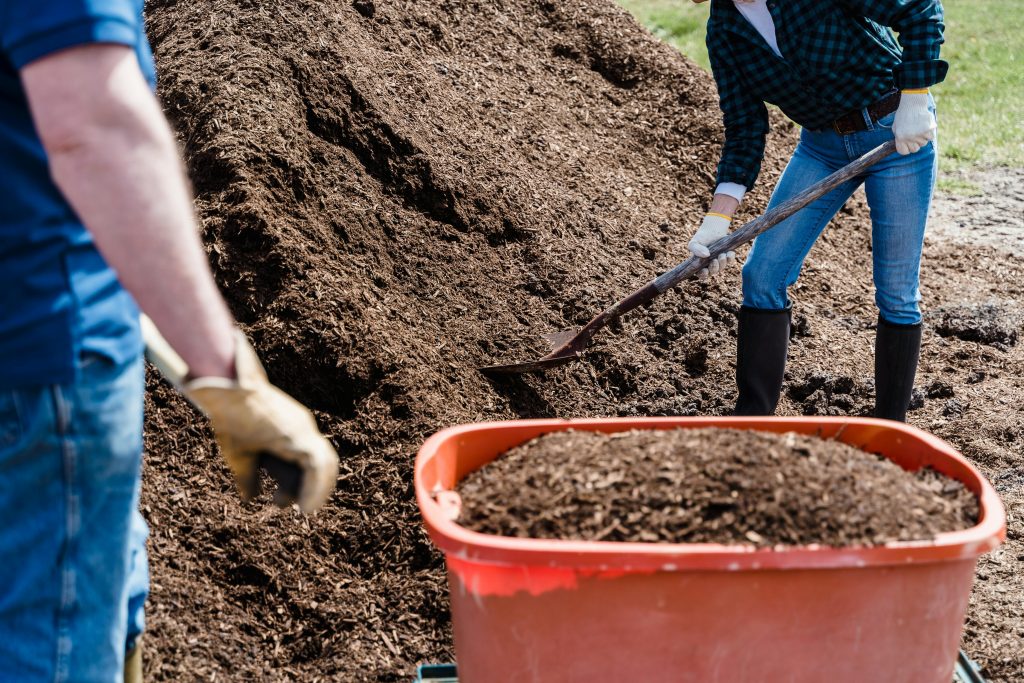
Every successful growing season begins with soil preparation. Long before seeds are planted or transplants go into the ground, farmers and gardeners must ensure that soil conditions are ready to support healthy crop growth. Proper soil preparation improves nutrient availability, encourages strong root development, and helps crops establish quickly. However, many growers unintentionally make mistakes […]
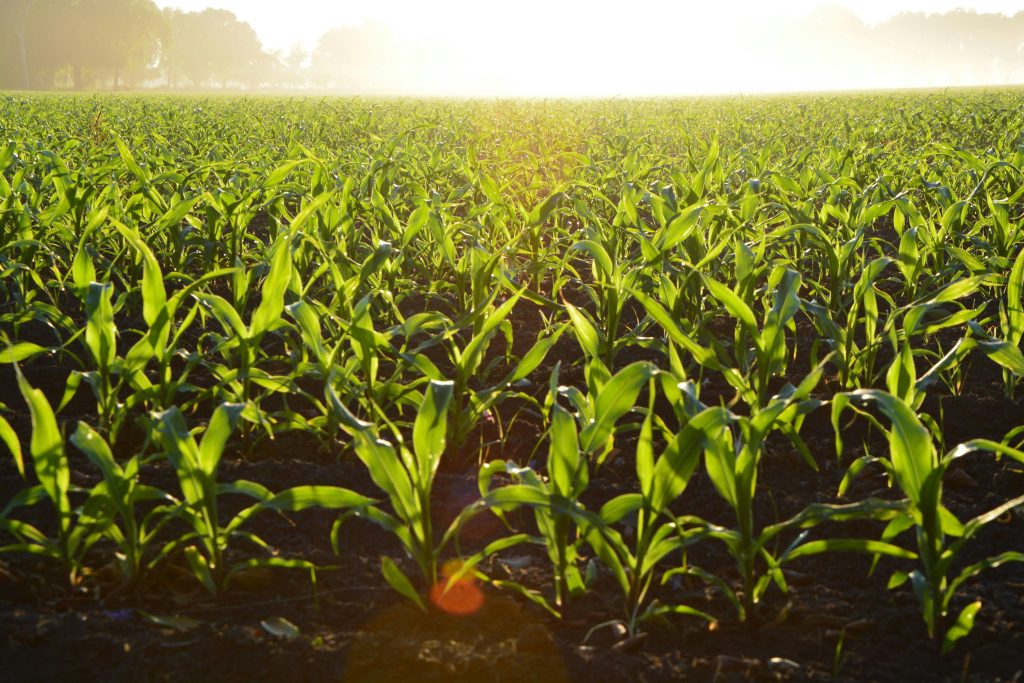
As the growing season begins, farmers across the country start preparing their fields for one of the most important stages of crop development. Early growth sets the pace for everything that follows, and the nutrients available during this time can strongly influence plant health, crop uniformity, and final yield. Among all the nutrients required by […]
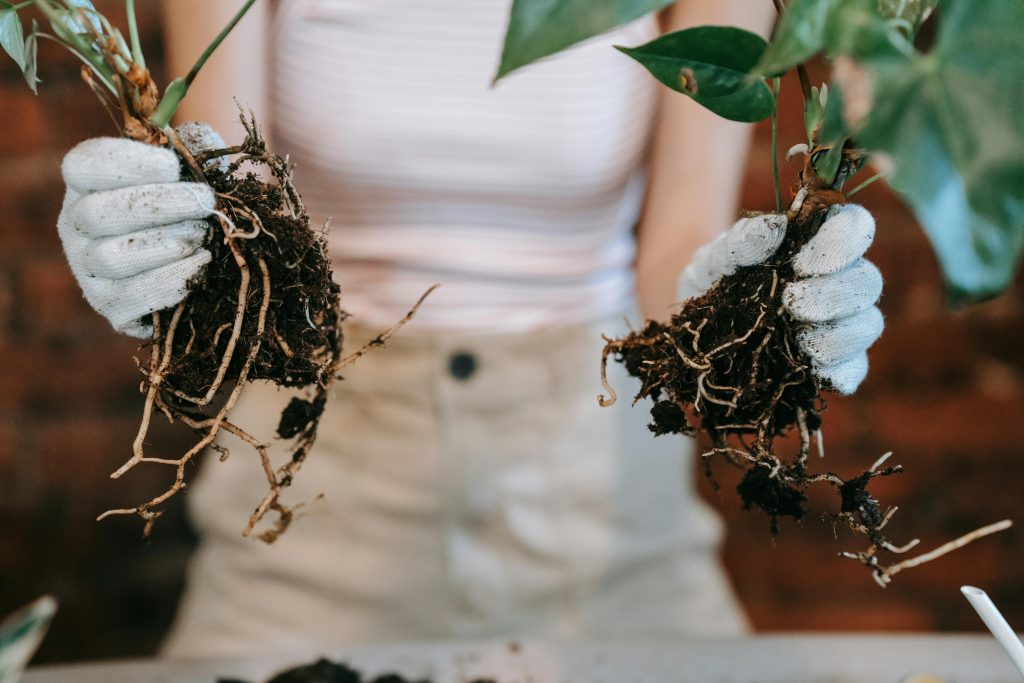
The early part of the growing season often determines how successful crops will be months later. Before seeds are planted or transplants are placed into the soil, growers have an opportunity to prepare their fields in a way that supports strong plant development from the beginning. One of the most important parts of early season […]

Every growing season begins long before the first seeds emerge from the soil. Experienced farmers know that the success of a crop is often decided weeks or even months before planting. Early spring soil nutrition is one of the most important factors that influences crop establishment, plant vigor, and ultimately harvest yield. When soil fertility […]
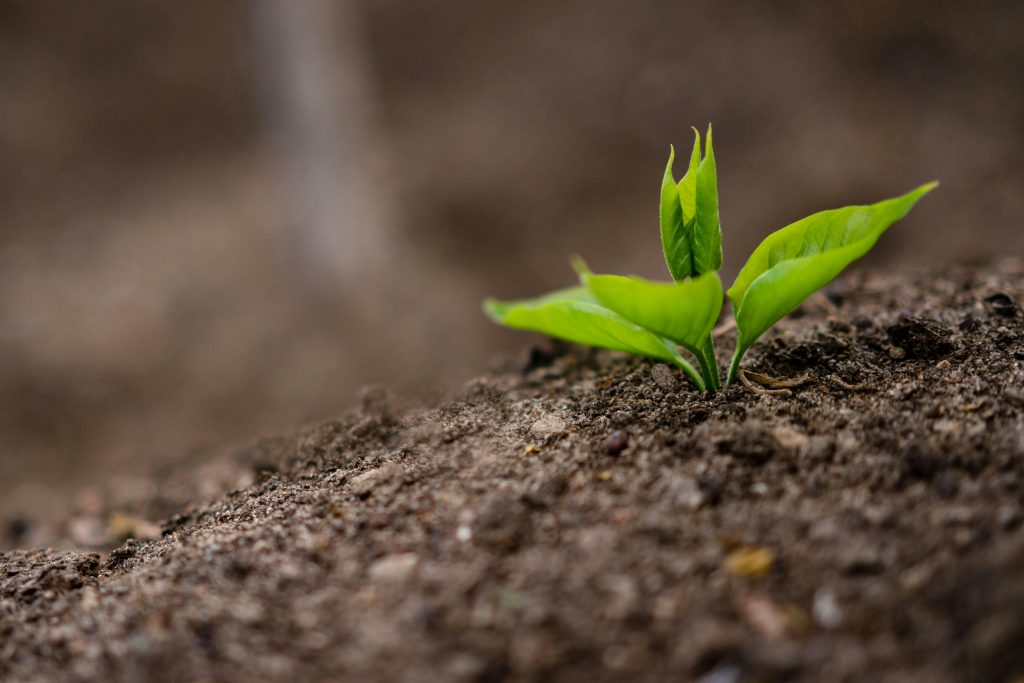
By late February, most Pacific Northwest growers and property managers feel the same mix of impatience and caution. Spring is close enough to plan for, but the weather is still capable of punishing the wrong fertilizer decision. This is where a March-ready fertility plan matters. A March-ready plan is not a full spring program written […]

The Pacific Northwest has two landscape features that make fertilizer work more interesting than it should be: slopes and heavy soils. Plenty of properties have both. A hillside lawn that looks perfect in July can become a runoff machine in February. A clay-heavy landscape bed can hold water for days, then suddenly shed it in […]
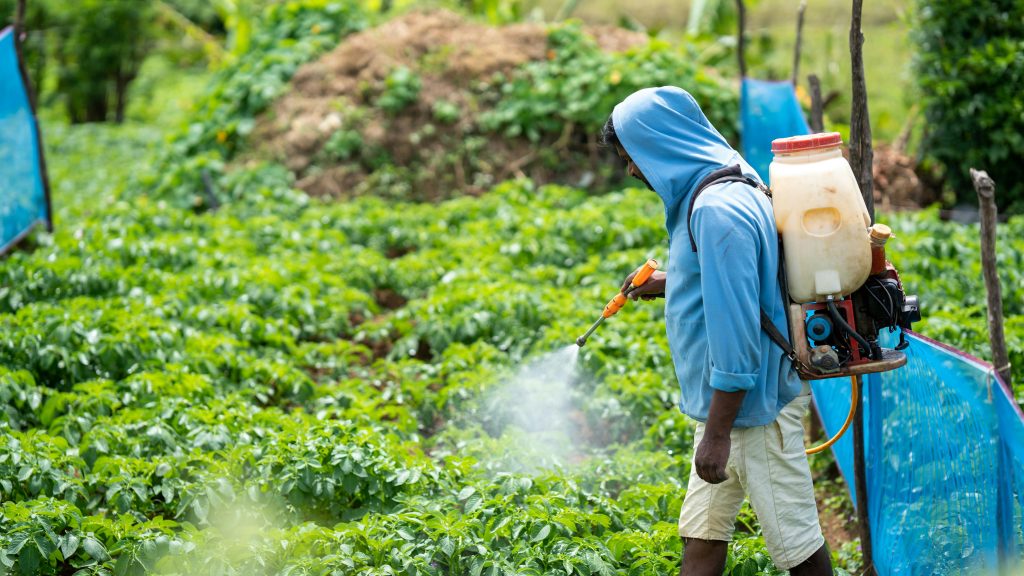
A lot of fertilizer “problems” are not nutrient problems. They are coverage problems. In February, coverage matters even more because weather windows are narrow. When you finally get a workable day, you want that application to count. Uneven fertilizer distribution shows up as stripes in turf, patchy growth in beds, and inconsistent response in fields. […]
