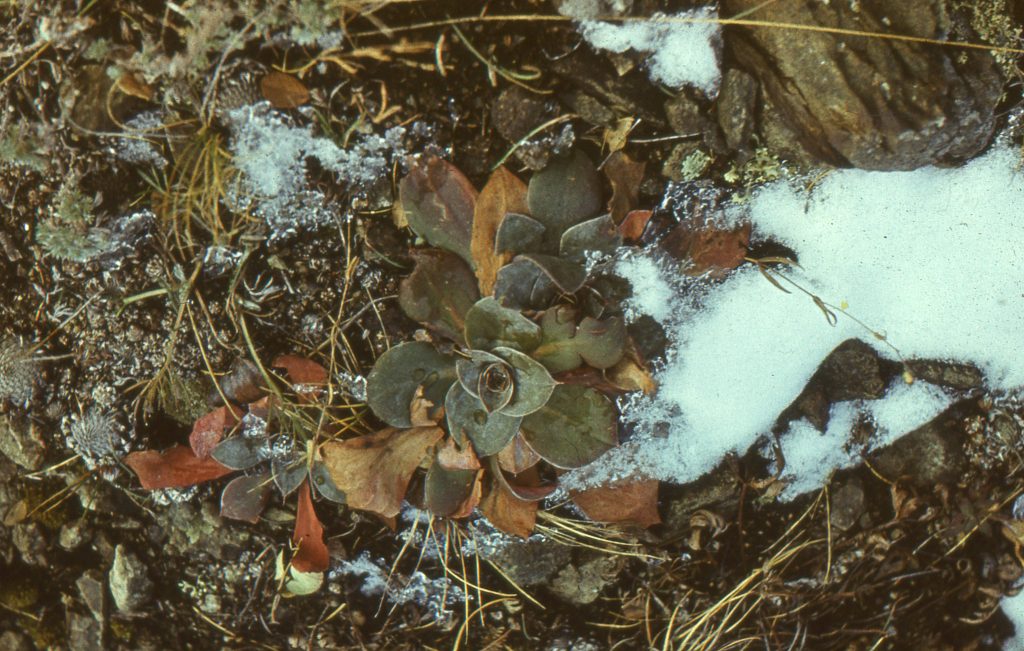
As summer winds down and temperatures start to dip, many growers, landscapers, and home gardeners instinctively think of winding down their efforts. It’s easy to believe the hard work is over once the growing season ends. But the truth is, what you do now — before the first hard frost — can make all the […]
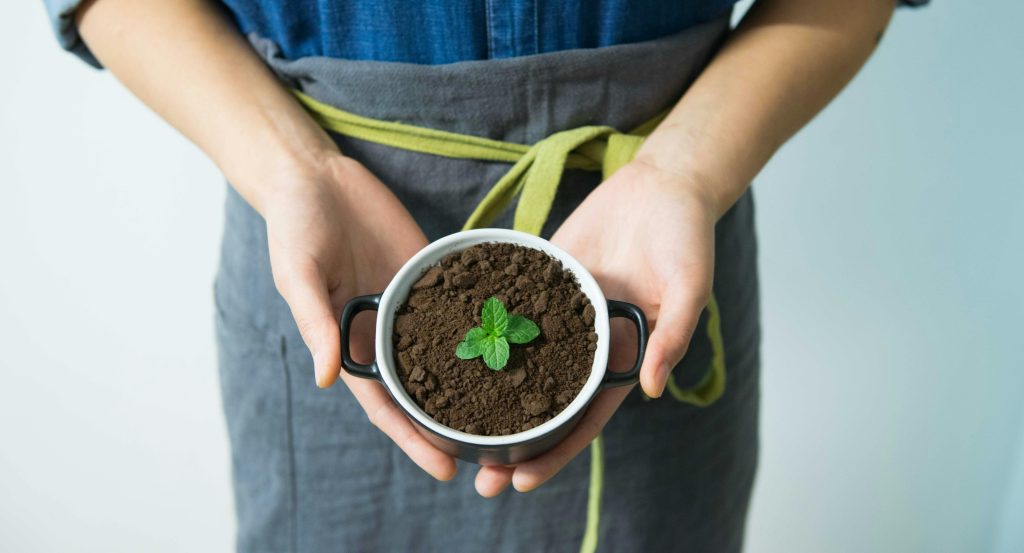
Understanding the composition and fertility of your soil is critical for growing healthy plants, maximizing crop yields, and reducing waste on unnecessary fertilizers or amendments. Whether you’re managing a home garden, operating a landscaping business, or running a large-scale farm, knowing what’s in your soil can be the difference between success and frustration. But how […]
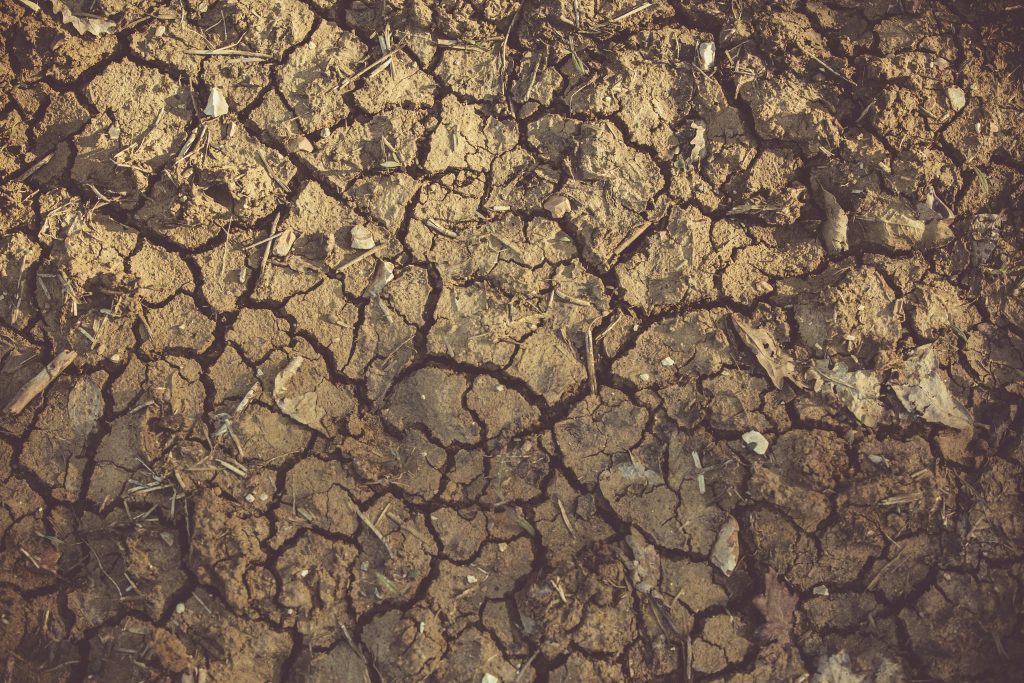
When growers and gardeners think about preparing their soil for the colder months, they often focus on covering plants, cleaning up beds, or adjusting fertilization. But what many miss is the critical role that soil structure plays in the success of those late-season strategies. For those dealing with heavy clay or compacted soils, gypsum is […]
As the seasons begin to shift, many homeowners and growers focus on winding down their maintenance routines. But fall is not the time to neglect your lawn and garden. In fact, the transitional period from late summer to early fall is one of the most critical windows for feeding your soil and strengthening your plants. […]
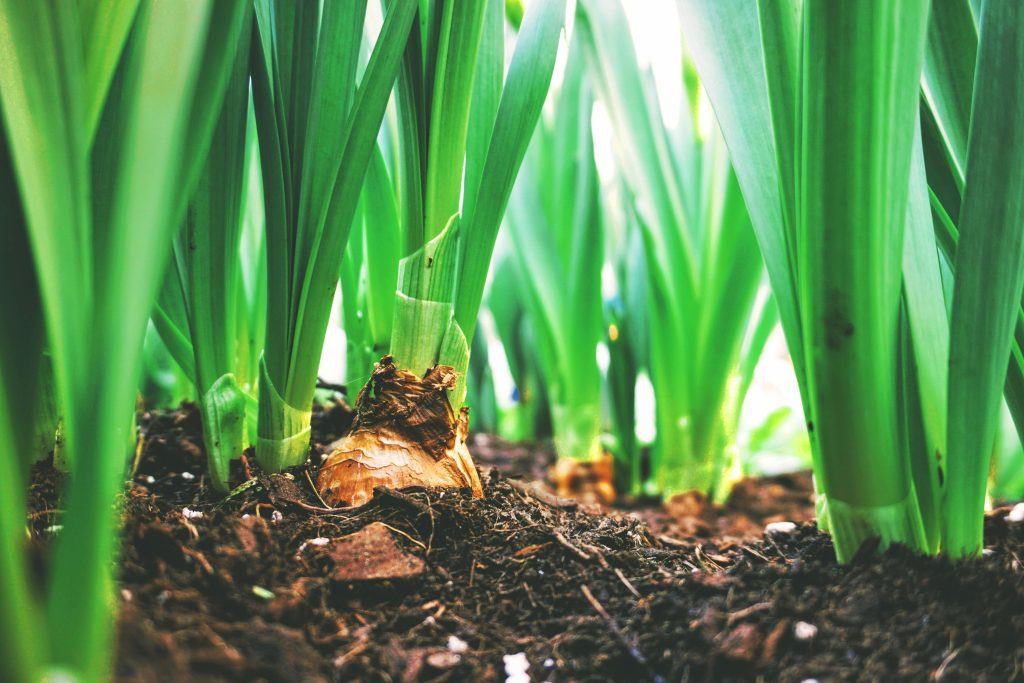
When most people think about preparing their garden or farmland for fall, their focus usually drifts toward cleaning up, covering beds, and winding down from the intense summer season. But for those who want to actually improve soil fertility before winter sets in, September offers a key opportunity—especially for applying Muriate of Potash (0-0-60). This […]
By the time late summer rolls around, many home gardens, landscaping beds, and crop fields are starting to show signs of fatigue. Long stretches of heat, inconsistent rainfall, and multiple harvests or mowings can deplete the soil of critical nutrients. If your plants are looking dull, slow-growing, or generally unproductive, chances are the soil needs […]

When summer ends, your soil is often left depleted, exhausted, and stripped of the nutrients that once fueled vibrant plant growth. Long stretches of heat, irrigation cycles, and heavy feeding by crops or lawns all take a toll on the soil’s nutrient profile. If you want your next planting season—whether it’s fall crops or spring […]
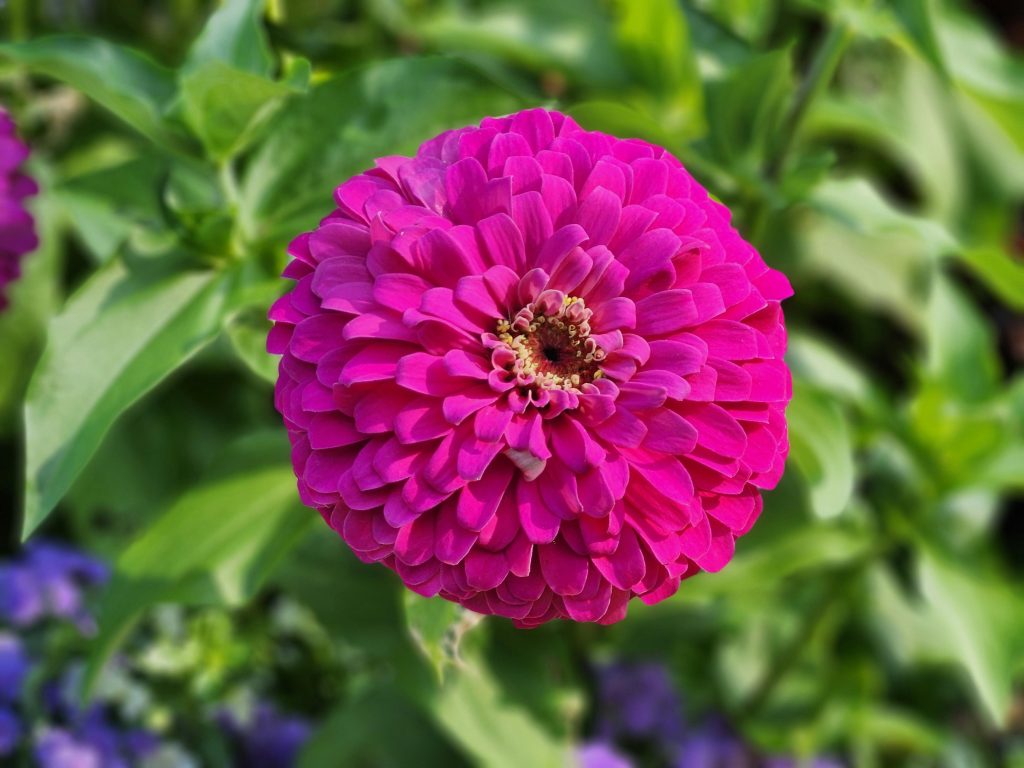
Fall is the most overlooked season in perennial care. As blooms fade and foliage begins to yellow, many gardeners assume their work is done. But below the surface, plants are still active—especially in their root systems. This is the critical window where nutrient support ensures survival, vigor, and early performance next spring. One of the […]
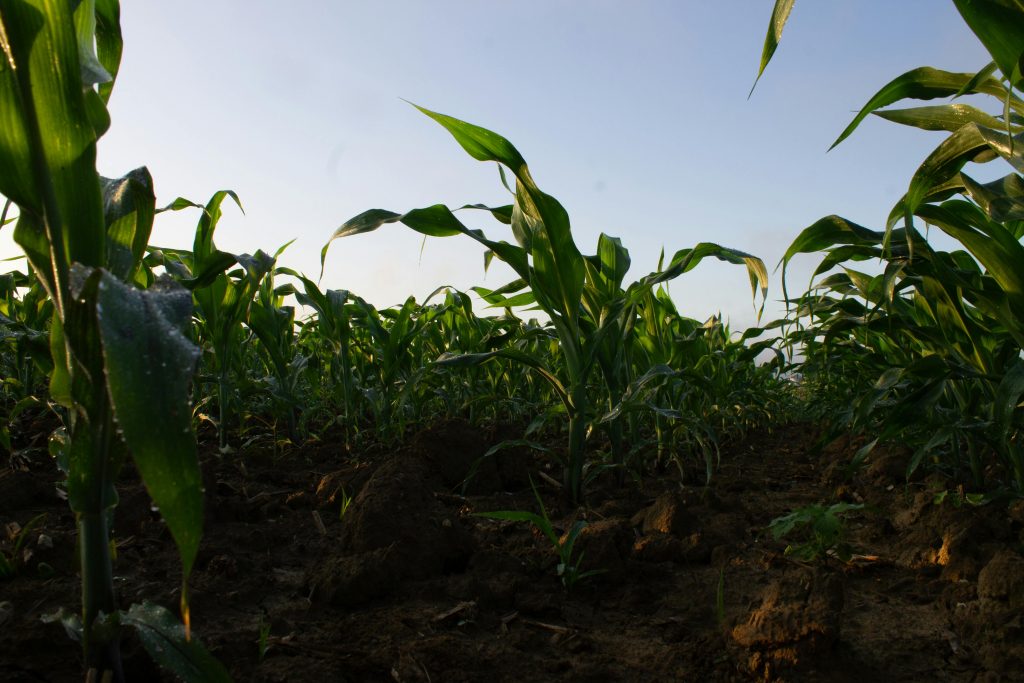
Every successful growing season begins with a strong foundation, and that foundation is built on healthy, nutrient-rich soil. No matter the size of your operation—whether you are a homeowner maintaining a backyard garden, a landscaper managing turf and ornamentals, or a farmer cultivating hundreds of acres—the same principle holds true: plants perform best when they […]
As the growing season enters its final chapter, many plants begin showing signs of fatigue—smaller fruit, slower maturity, and weakened resistance to cold. While some growers attribute this to natural decline, seasoned professionals know the issue often stems from potassium deficiency. One of the most efficient ways to correct this, especially in fall, is by […]
