
Professional landscapers face a unique challenge—delivering consistently beautiful, healthy lawns across a wide range of soil types, climate zones, turf species, and client expectations. They need tools that are not just effective, but also versatile, efficient, and predictable. This is why more and more landscaping businesses are choosing Triple 10 Liquid Fertilizer with Micronutrients as […]
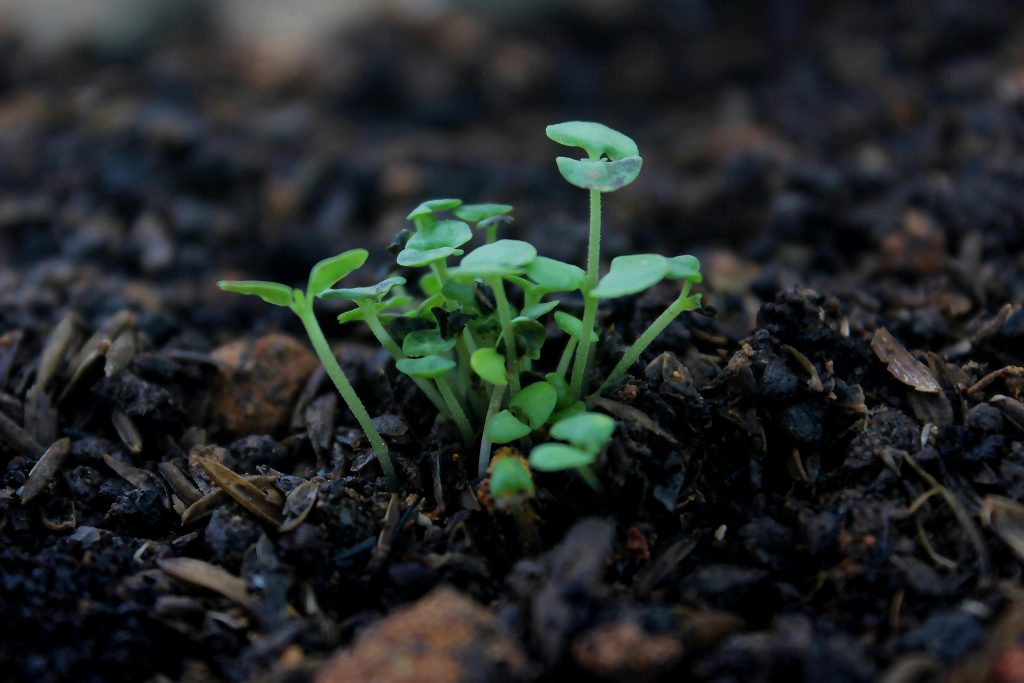
Ornamental plants are more than just visual enhancements in a garden—they’re the defining features that give outdoor spaces personality, elegance, and purpose. From blooming perennials to evergreen shrubs and showy foliage plants, ornamentals are central to the aesthetics and functionality of landscapes in both residential and commercial settings. Yet keeping them in top condition isn’t […]
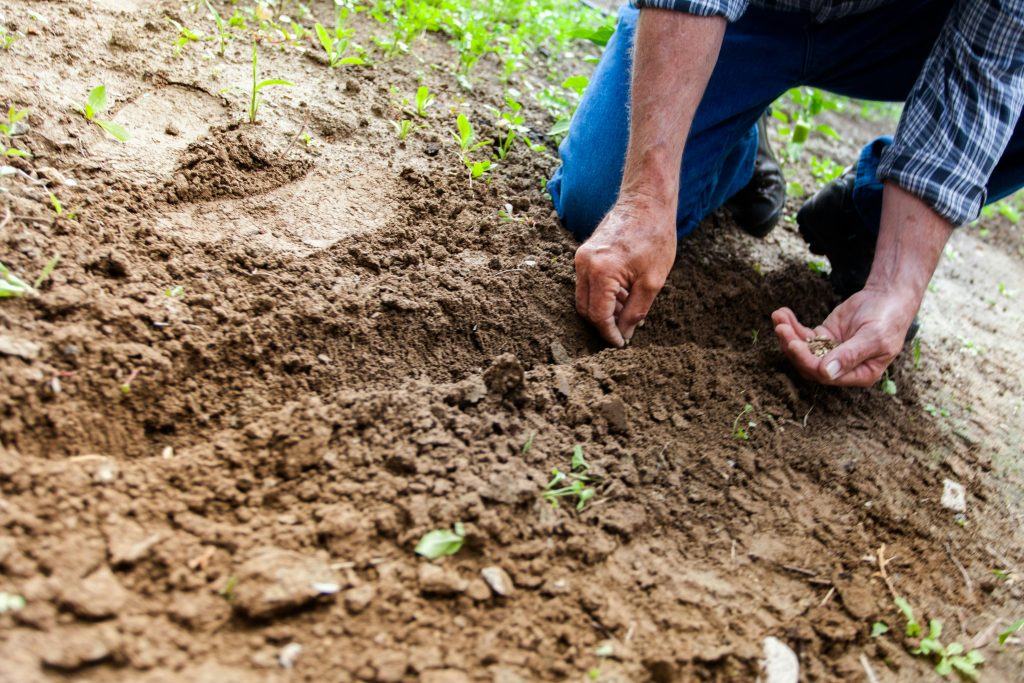
Lawn care conversations usually revolve around one thing—what to put on the grass. But the truth is, the health of your lawn starts not with the blades, but with the soil underneath. That’s why any serious lawn or garden strategy should prioritize soil health from the ground up. When soil is rich in nutrients, teeming […]
Drought can transform a once lush, green lawn into a brittle, patchy, yellowing field that seems beyond recovery. However, many lawns are far more resilient than they appear. With the right combination of nutrients and timing, most drought-damaged lawns can be revived—often faster than expected. One of the most effective tools in the lawn recovery […]
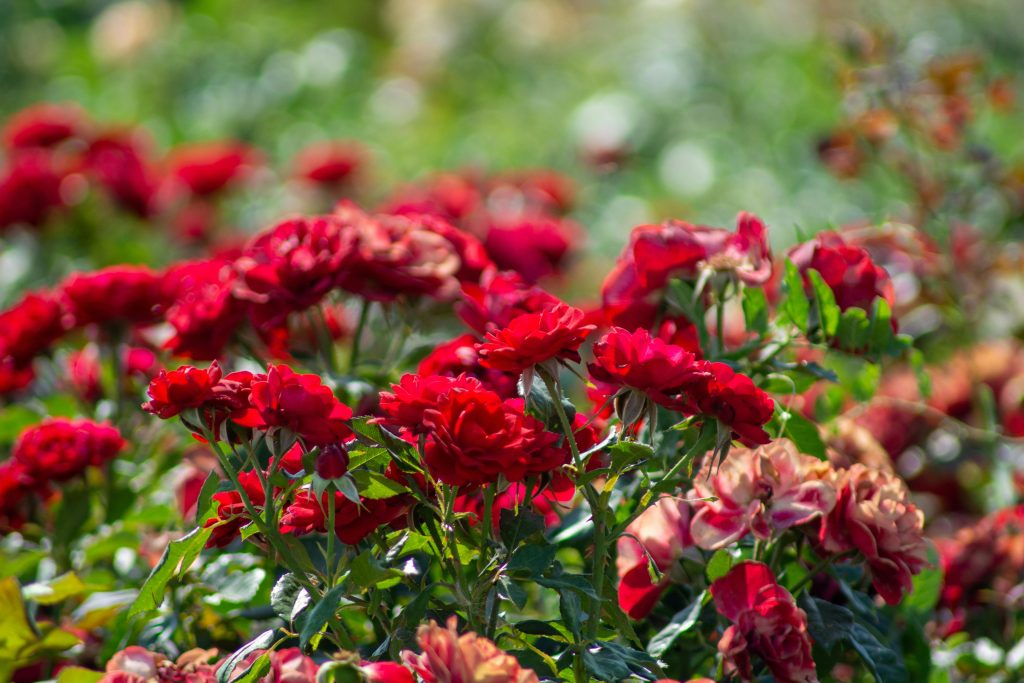
Maintaining lush, colorful flowering plants and healthy ornamental shrubs is one of the most rewarding aspects of gardening and landscaping, but it requires more than sunlight and occasional watering. To keep flowers blooming consistently and shrubs growing vigorously throughout the year, they need a steady diet of balanced nutrients. These nutrients must include both macronutrients […]
Gardeners and landscapers often focus heavily on nitrogen, phosphorus, and potassium—the primary macronutrients known as NPK. But focusing only on these three elements is like building a house with only bricks and forgetting the mortar. Plants need more than just the basics. That’s why a product like Triple 10 Liquid Fertilizer with Micronutrients goes beyond […]
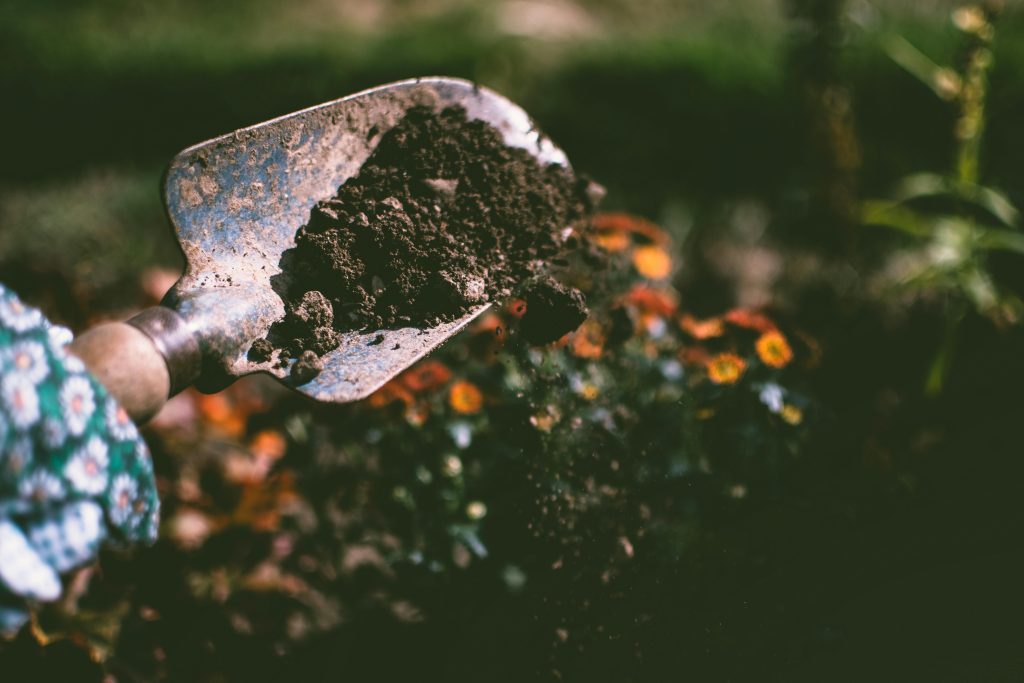
In the pursuit of productive, healthy vegetable gardens, one fundamental rule stands above the rest—balanced nutrition yields balanced growth. Whether you’re growing tomatoes, peppers, lettuce, or squash, every edible plant in your garden thrives when given a well-proportioned supply of nutrients. That’s why Triple 10 Liquid Fertilizer with Micronutrients is a favorite among experienced gardeners […]
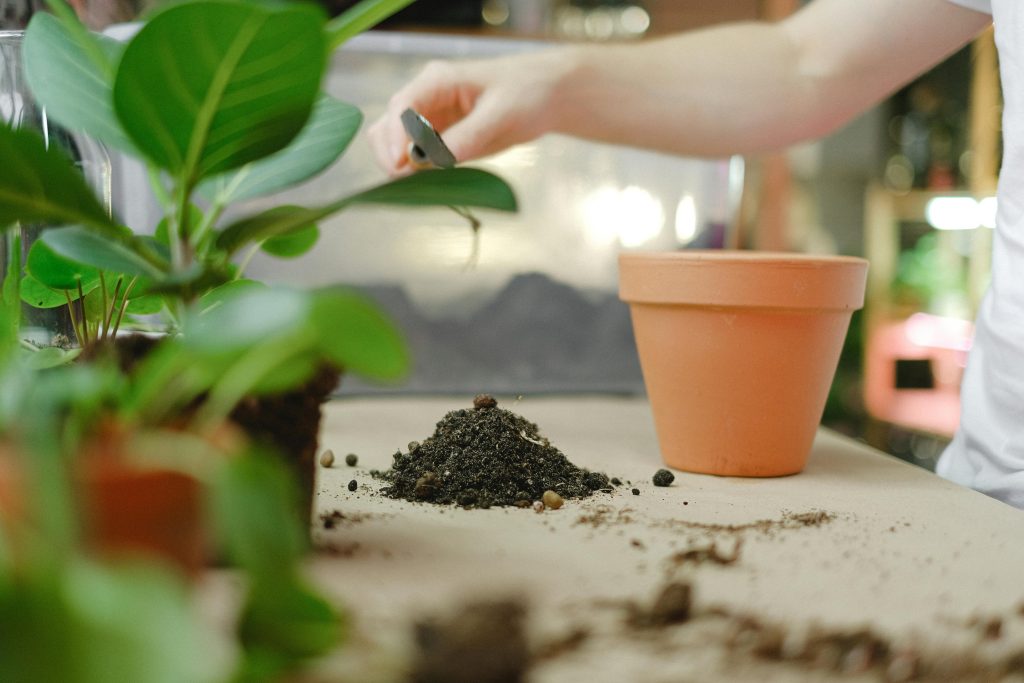
What Makes Triple 10 Fertilizer with Micronutrients Ideal for Lawns Year-Round Maintaining a lush, vibrant lawn isn’t just about watering or mowing on schedule. The true secret lies beneath the surface—literally. The health of your grass is a direct reflection of your soil’s nutrient balance. And when it comes to feeding that soil throughout the […]
For many gardeners and growers, getting a soil test is like reading a report card in a foreign language. It’s filled with numbers, charts, and acronyms—pH, CEC, ppm, and a long list of nutrients. Once you’ve got the results in hand, the biggest question becomes: now what? That’s where this guide comes in. A soil […]
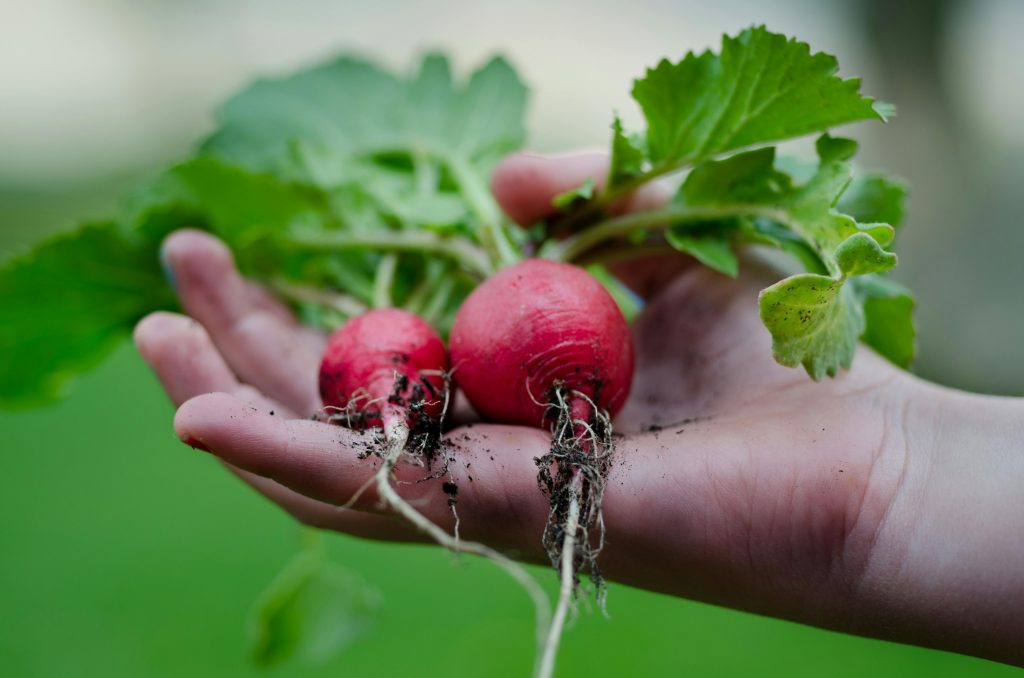
There’s a common myth among organic gardeners that if you’re not using synthetic chemicals, you don’t need to test your soil. After all, you’re feeding the earth naturally, right? You’re adding compost, mulching with straw, using fish emulsion, planting cover crops. What could possibly go wrong? Plenty. Even the most eco-conscious, sustainably minded garden can […]
