Healthy soil isn’t just dirt—it’s a living ecosystem. Beneath the surface of your garden beds and lawns are billions of microscopic workers: bacteria, fungi, protozoa, and beneficial nematodes. Together, they form the soil food web that makes nutrients available, prevents disease, and improves water retention. The health of your plants depends on the health of […]

Fertilizing is supposed to help your garden thrive—but if you’re applying nutrients without knowing what your soil actually needs, you could be doing more harm than good. Many home gardeners, landscapers, and even small-scale growers make the mistake of skipping soil testing, thinking it’s too technical, too expensive, or unnecessary if their plants look “okay.” […]

When we talk about healthy soil, most people focus on nutrients—nitrogen, phosphorus, potassium. But there’s a silent influencer working behind the scenes: soil pH. This single number affects everything from nutrient availability to microbial life, root development, and even disease resistance. And yet, it’s one of the most commonly overlooked aspects of garden and lawn […]
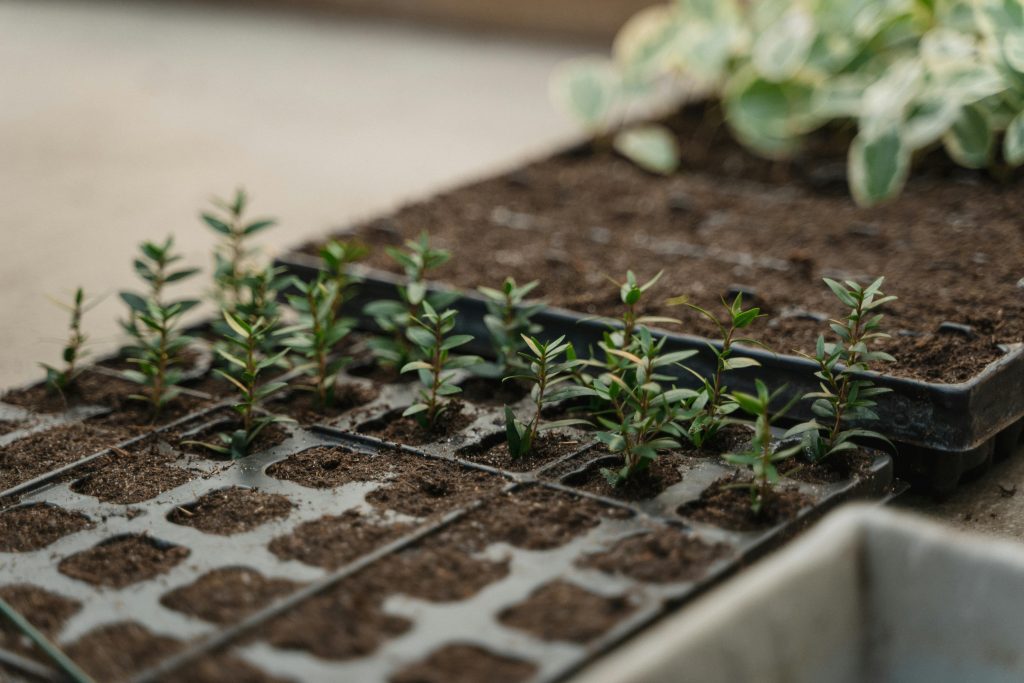
Most gardeners and lawn care enthusiasts know that soil testing is important, but many wait until things go visibly wrong before taking action. Unfortunately, by the time your plants are stunted, your lawn turns yellow, or your yields plummet, your soil may already be in poor condition. The truth is, the signs of soil imbalance […]
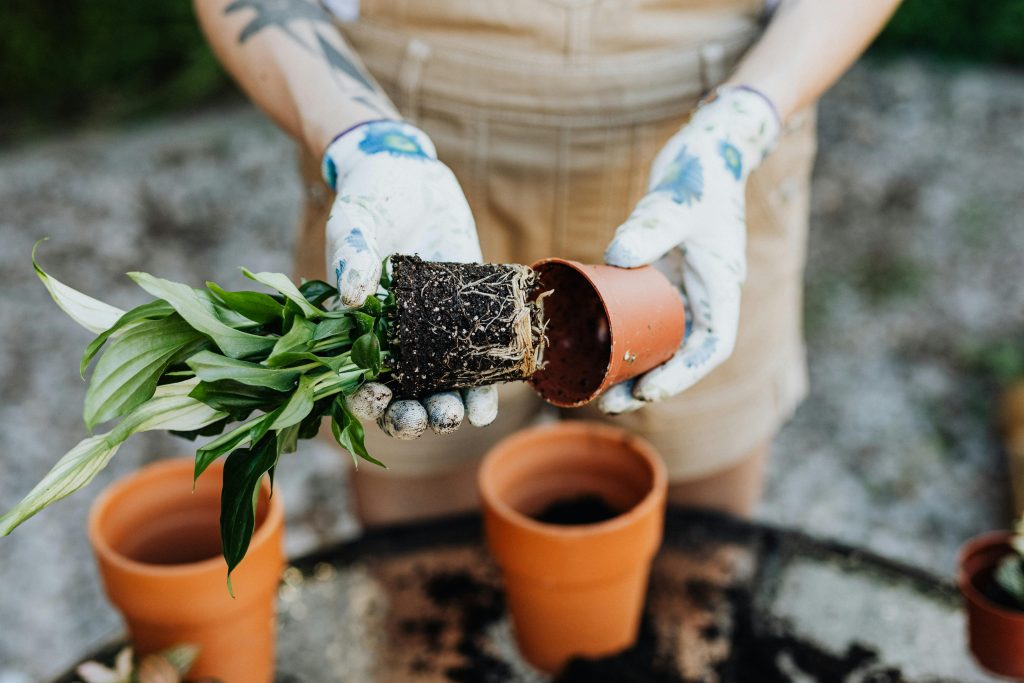
No matter how experienced you are as a gardener, grower, or lawn care enthusiast, one of the most important steps you can take for long-term success is soil testing. But even the best soil test won’t help if your soil sample is collected incorrectly. In fact, inaccurate sampling is the most common reason growers get […]

If you’ve ever wondered why your lawn doesn’t stay green, your tomatoes split before they ripen, or your flowers struggle to bloom even with regular watering and fertilizing—your problem may be hiding in the soil. The truth is, no amount of fertilizer, compost, or watering can replace what’s missing if you don’t first understand what’s […]

Healthy soil isn’t just dirt—it’s a living ecosystem. Beneath the surface of your garden beds and lawns are billions of microscopic workers: bacteria, fungi, protozoa, and beneficial nematodes. Together, they form the soil food web that makes nutrients available, prevents disease, and improves water retention. The health of your plants depends on the health of […]
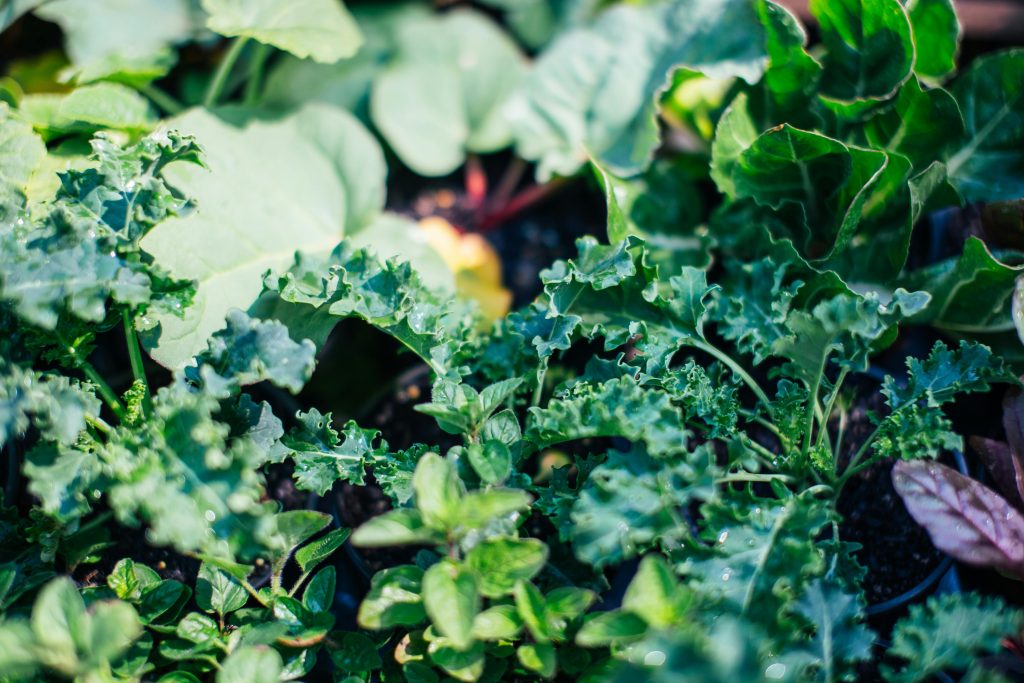
Liquid fish fertilizers are packed with organic nutrients that promote vigorous growth, improve soil health, and support root development—but their real power lies in how you apply them. Whether you’re feeding vegetables, flowers, trees, or turf, the method, timing, and dilution rate can make a huge difference in how much your plants benefit. Here’s how […]

When most people think about feeding their lawn, they picture a bag of granular fertilizer spread across the grass. But more and more homeowners and professionals are discovering that fish-based liquid fertilizers offer a safer, more sustainable, and often more effective alternative for keeping lawns green, thick, and stress-resistant—especially during the growing season. This guide […]
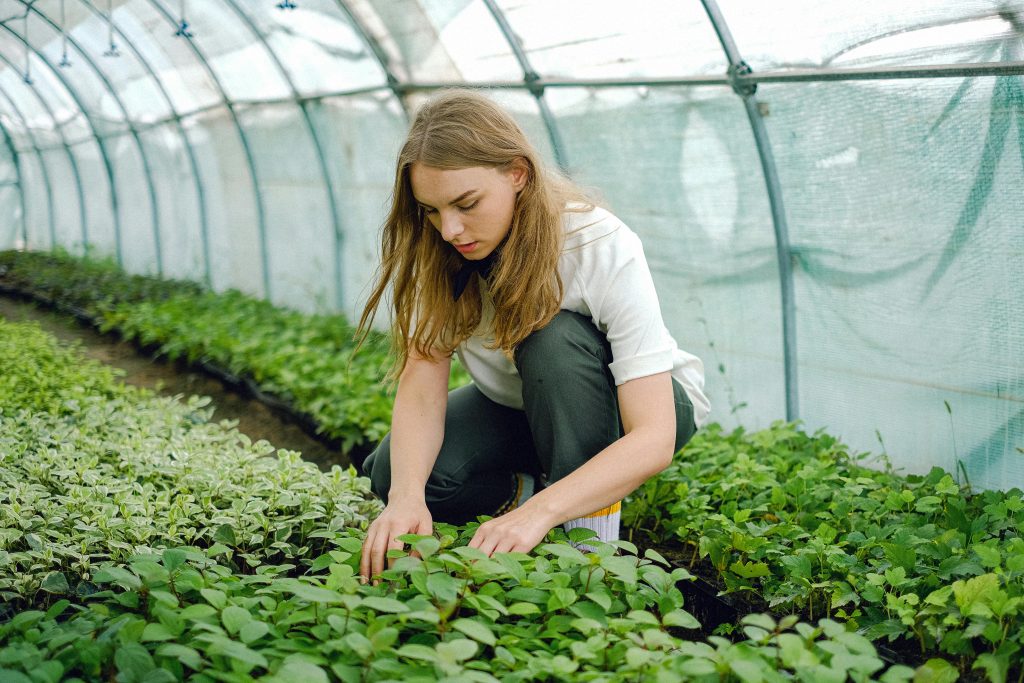
Micronutrient deficiencies are a hidden threat to plant health. While many gardeners focus on NPK—nitrogen, phosphorus, and potassium—problems often arise from missing elements like magnesium, sulfur, iron, zinc, and boron. These nutrients are needed in smaller amounts, but they’re critical for chlorophyll production, enzyme activity, and stress resistance. Fortunately, fish-based fertilizers offer a natural, effective […]
