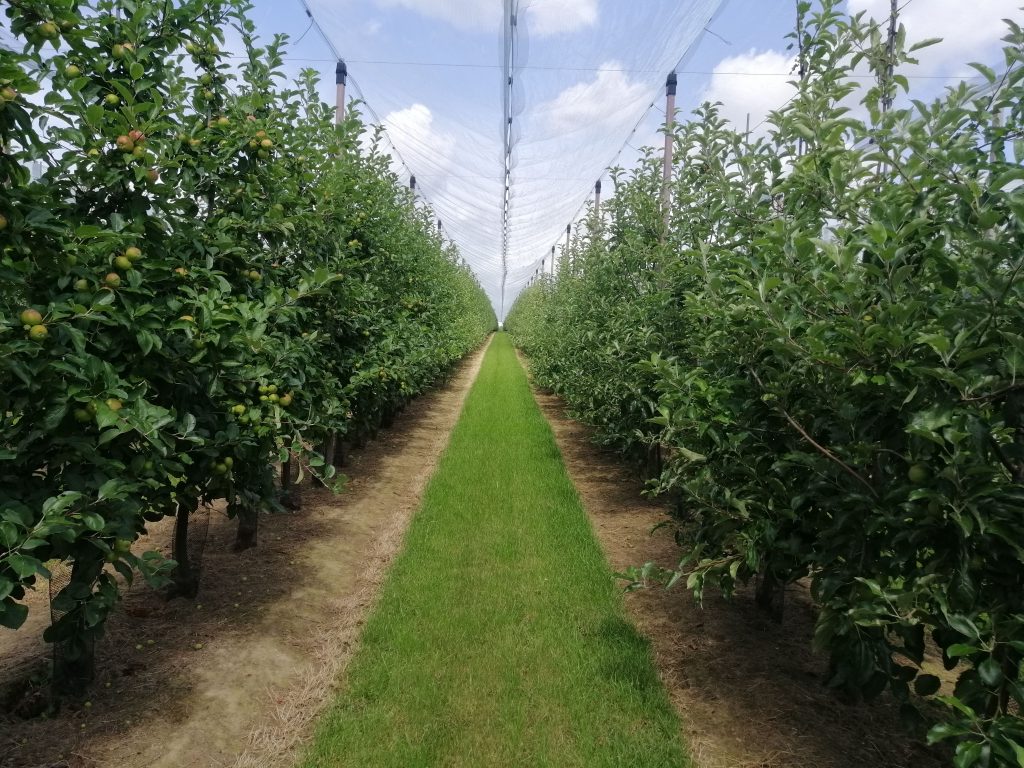
June is when many fruiting crops begin asking a different question. In spring, the question was often whether the plant could get established. Could the tomato recover from transplanting? Could the pepper root into warm soil? Could cucumber and squash seedlings survive cool nights and spring rain? Could melons begin running? Could beans climb? Could […]
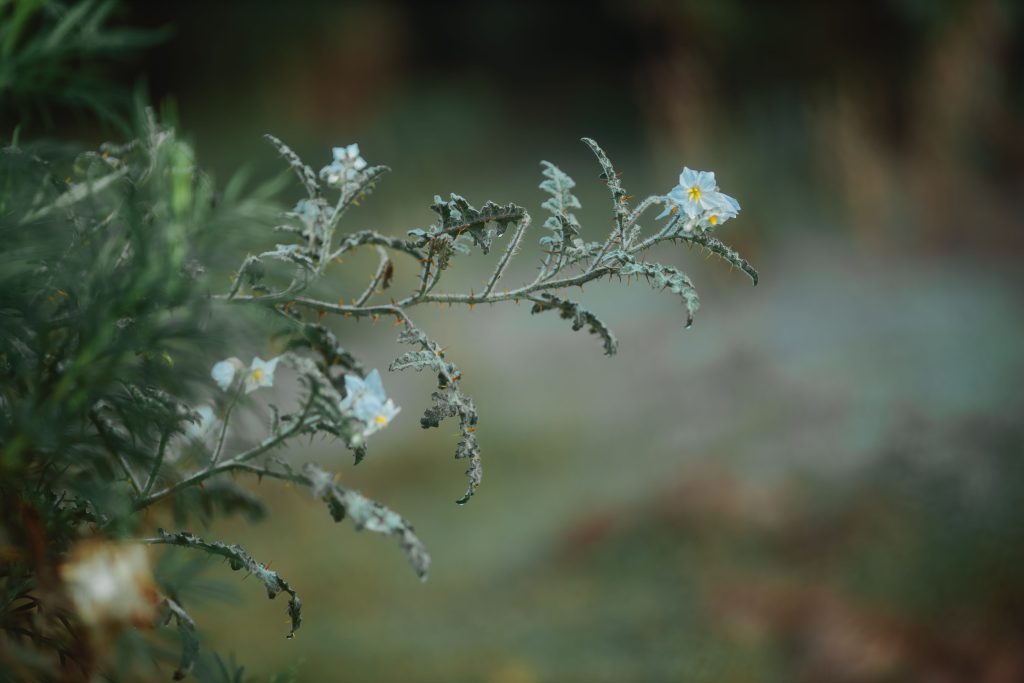
Pale new growth gets attention fast. A plant may look healthy from a distance, but when the newest leaves come out light green, yellow, striped, or washed out, growers know something is off. In June, that kind of symptom can show up on vegetables, flowers, lawns, shrubs, fruit crops, containers, greenhouse plants, hanging baskets, and […]
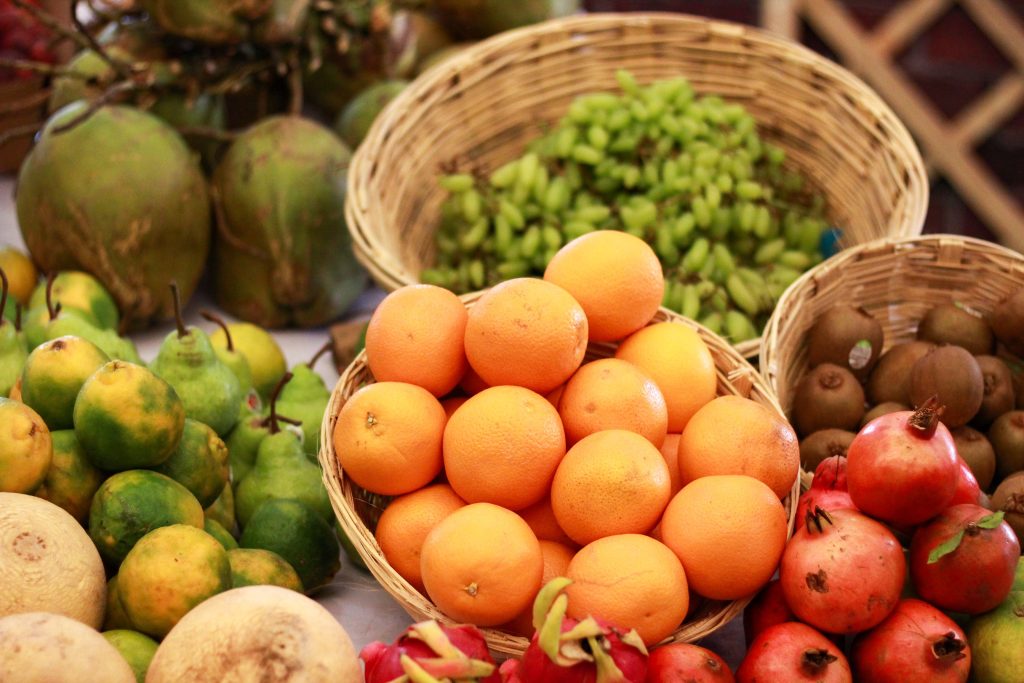
Fruit in containers can be productive, but it is not forgiving in June. A lemon tree on a patio, a blueberry in a large pot, strawberries in a planter, figs near a sunny wall, dwarf peaches in tubs, raspberries in containers, or patio citrus in a greenhouse all depend on a smaller root zone than […]

A lawn can look good in early June and still be unprepared for summer traffic. That is one of the more frustrating parts of lawn care. Spring moisture can hide weak roots. Cool nights can keep turf green even when the soil is compacted. A lawn may respond quickly to early fertilizer and look full […]
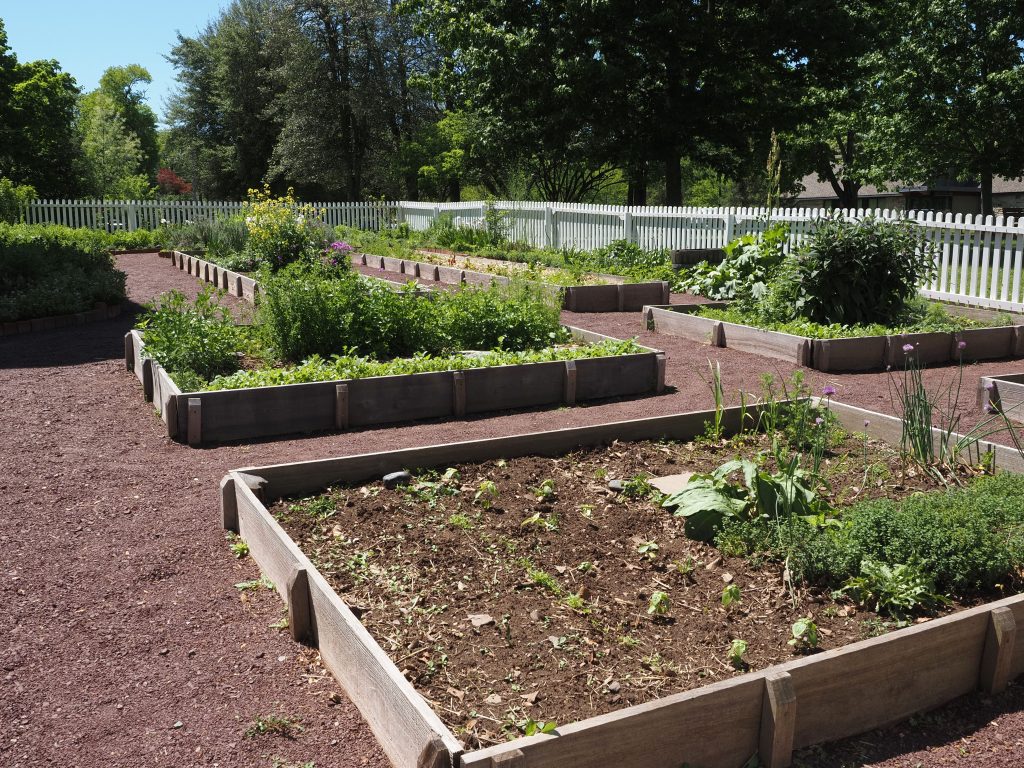
Raised beds can look strong in spring and then change quickly in June. That is one of the reasons gardeners like them. They warm faster than surrounding soil. They drain better after spring rain. They are easier to plant, easier to weed, and easier to manage in small spaces. Tomatoes, peppers, cucumbers, squash, beans, lettuce, […]
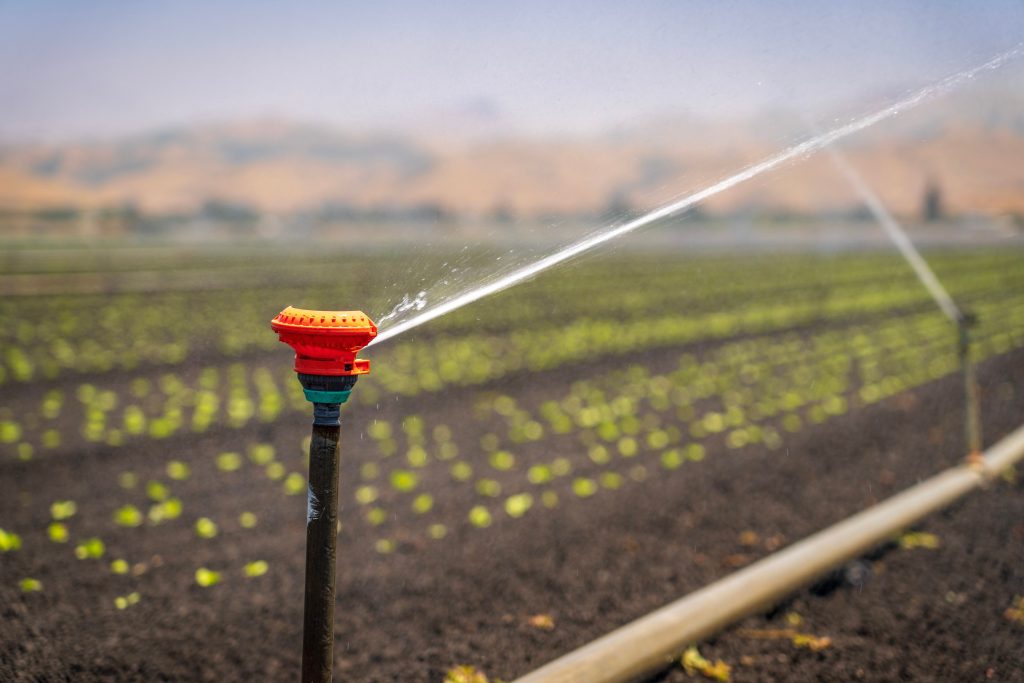
June is when watering and fertilizer stop being separate jobs. In spring, a grower may get by with fertilizer on one day and rain on another. Soil moisture is often more forgiving. Roots are still developing. Temperatures may be mild enough that a plant can handle a little inconsistency. A garden bed may stay moist […]
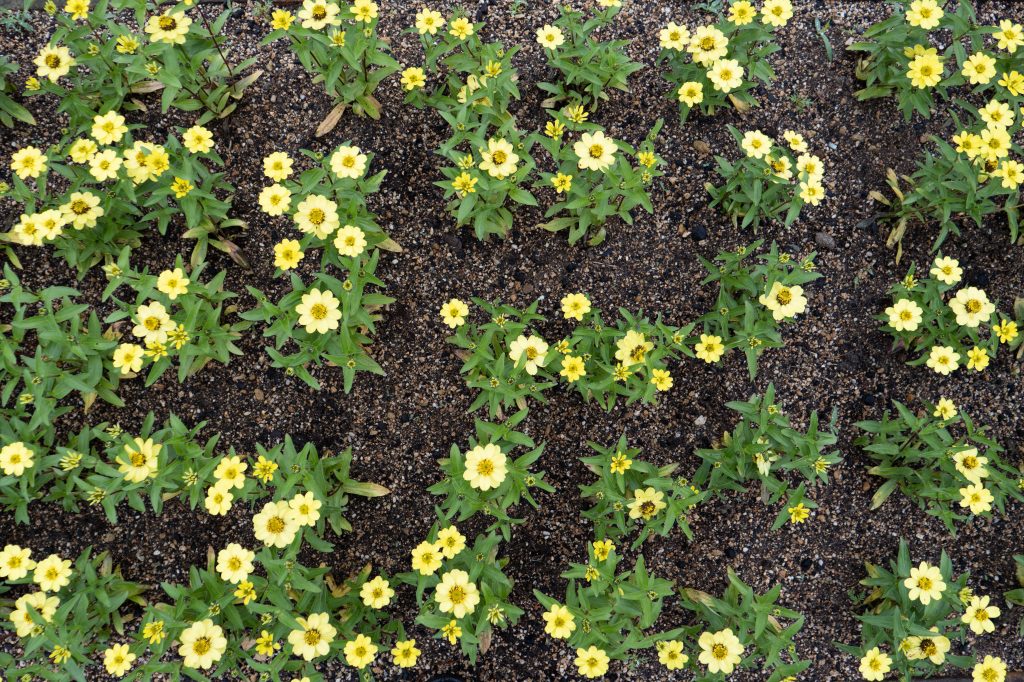
Magnesium problems often become easier to see as June heat builds. In spring, many plants are still small. Root systems are still developing. Weather may be cool enough that stress is limited. A crop can look acceptable even if the soil is starting the season with a weak magnesium supply. A lawn may green up […]
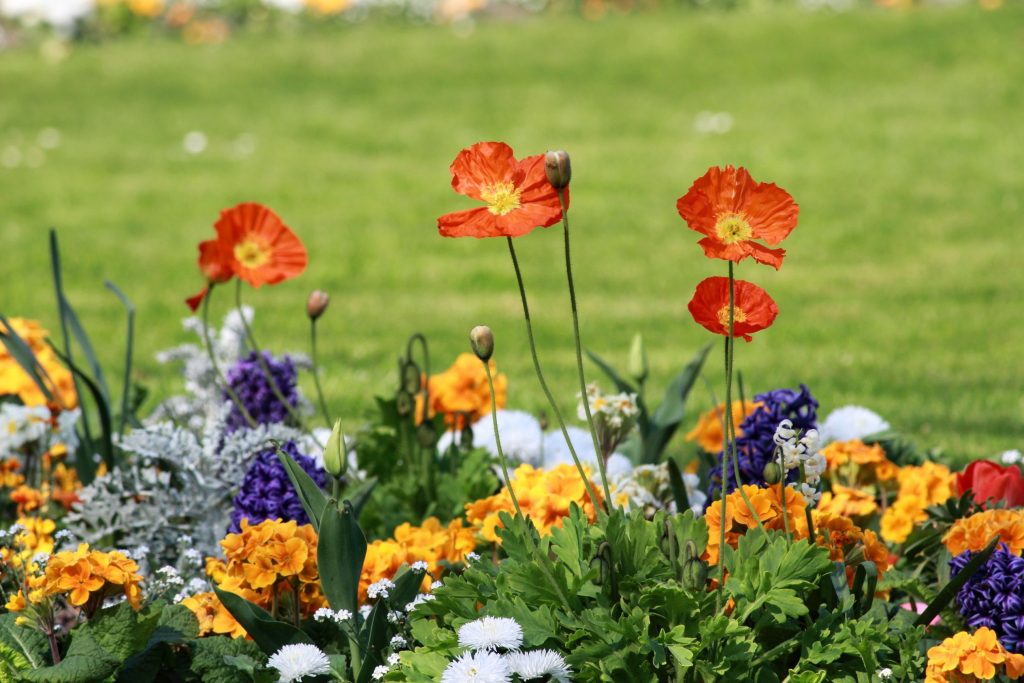
June flower beds can look strong at the start of the month and tired by the end of it. That is common in both home landscapes and professional plantings. Annuals may be full from the greenhouse. Perennials may be pushing fresh growth. Beds may have good spring color. Mulch is still neat. Irrigation may seem […]
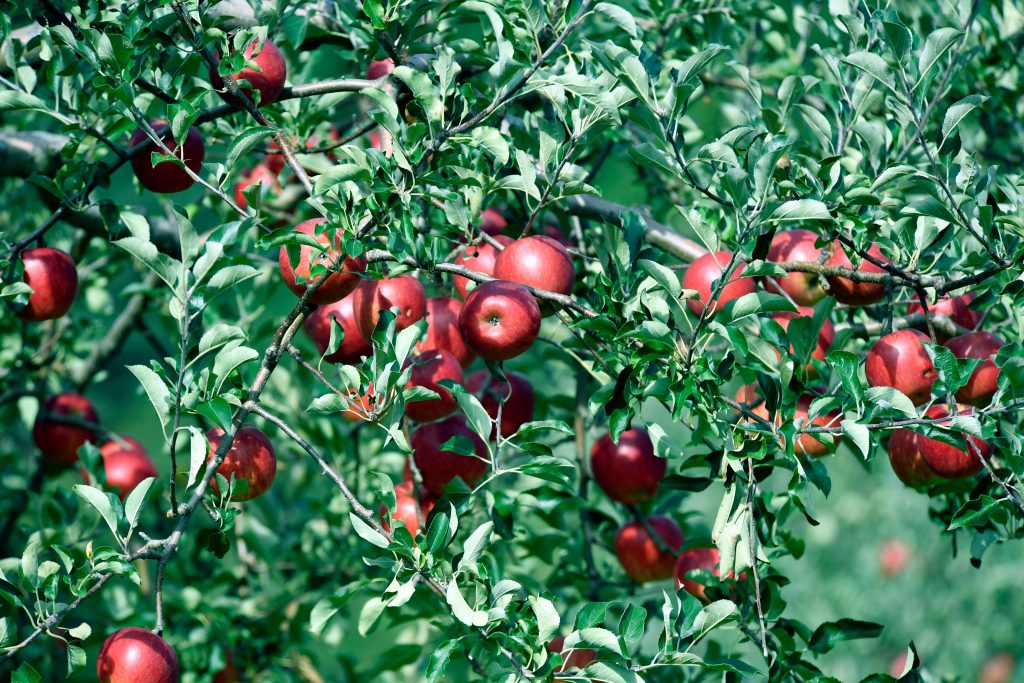
June is an important month for fruit trees and berries because the crop is no longer just setting. It is sizing. Apples, pears, peaches, plums, cherries, blueberries, blackberries, raspberries, strawberries, grapes, figs, citrus in containers, and other fruiting plants all begin asking more from the root system once fruit starts expanding. Leaves are fully active. […]
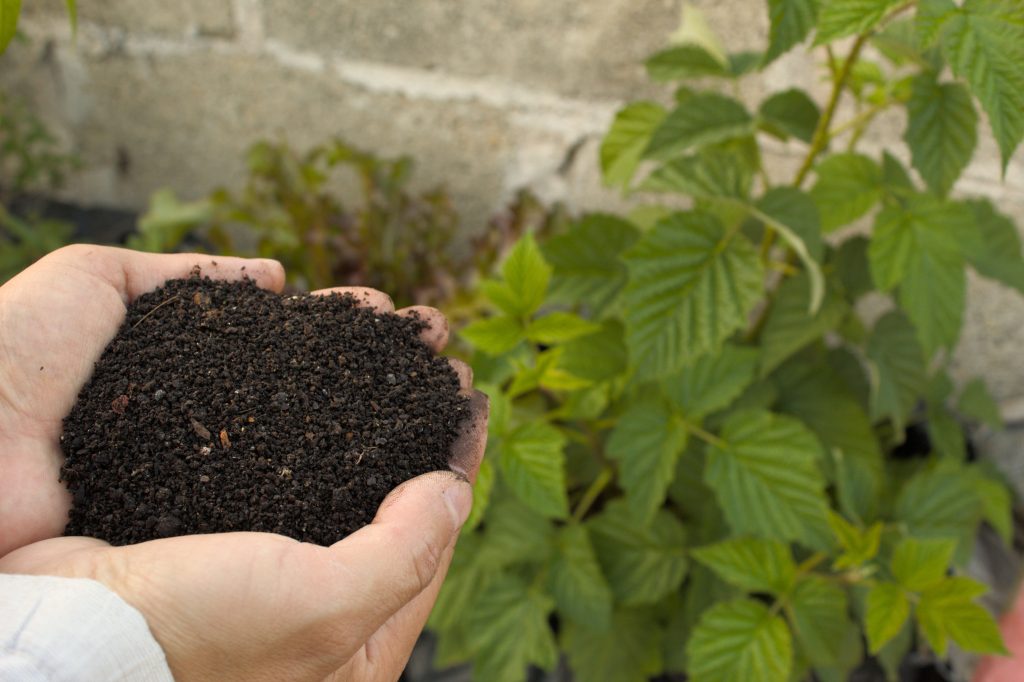
Organic fertilizer behaves differently in June than it does in early spring. In March or April, soil may still be cold, wet, and slow. Roots may be waking up. Soil biology may be active only in short windows when temperature and moisture are favorable. Organic amendments may sit for a while before releasing much nutrition. […]
