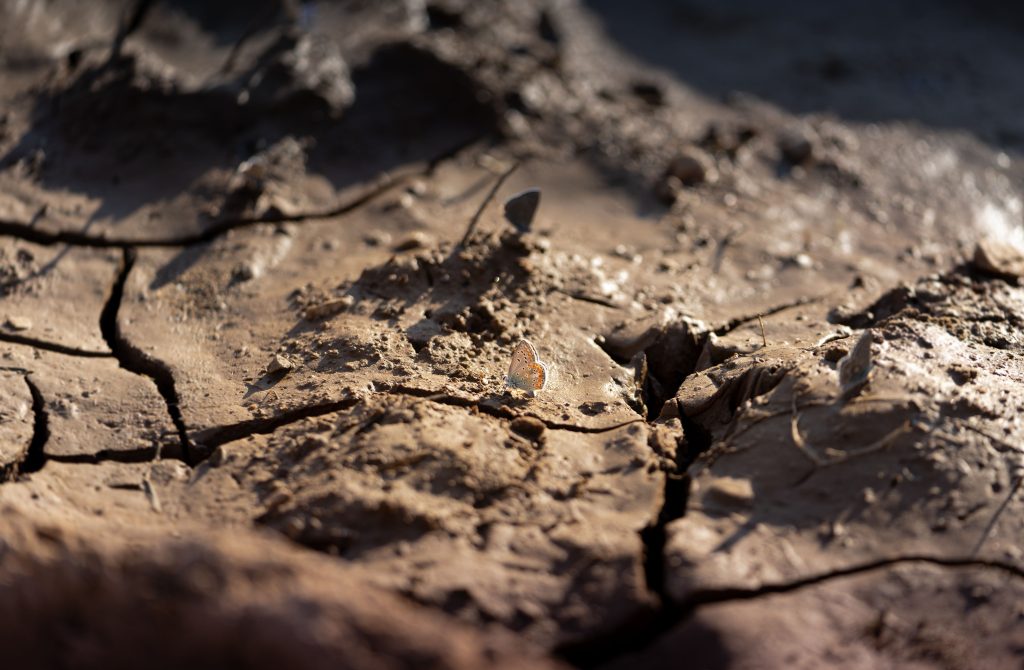
Clay soil can be frustrating in June because it often behaves like two different soils in the same week. After a heavy rain, it may stay wet, sticky, and slow to drain. A few hot, dry days later, the surface can turn hard, sealed, and cracked. Water from a hose or sprinkler may run sideways […]
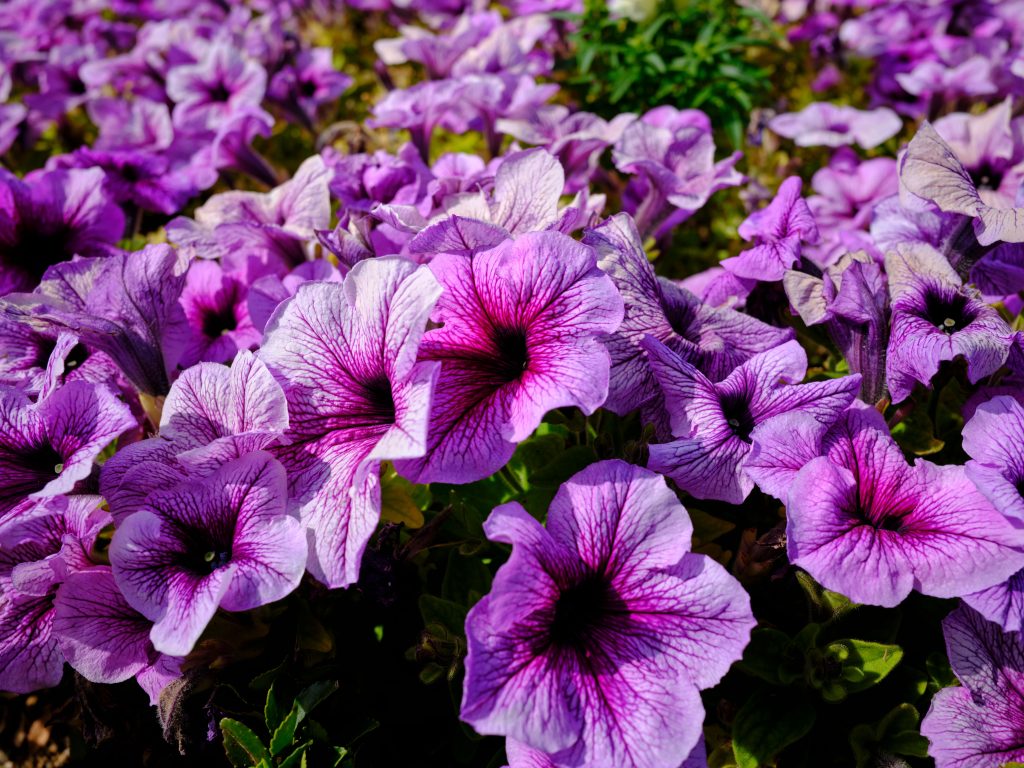
Hanging baskets often look their best when they leave the greenhouse. They are full, bright, and covered in bloom. Petunias spill over the sides. Calibrachoa are loaded with color. Verbena trails well. Begonias, impatiens, geraniums, lobelia, lantana, fuchsia, and mixed annuals all look fresh. The basket has enough moisture, enough fertility, and enough root space […]
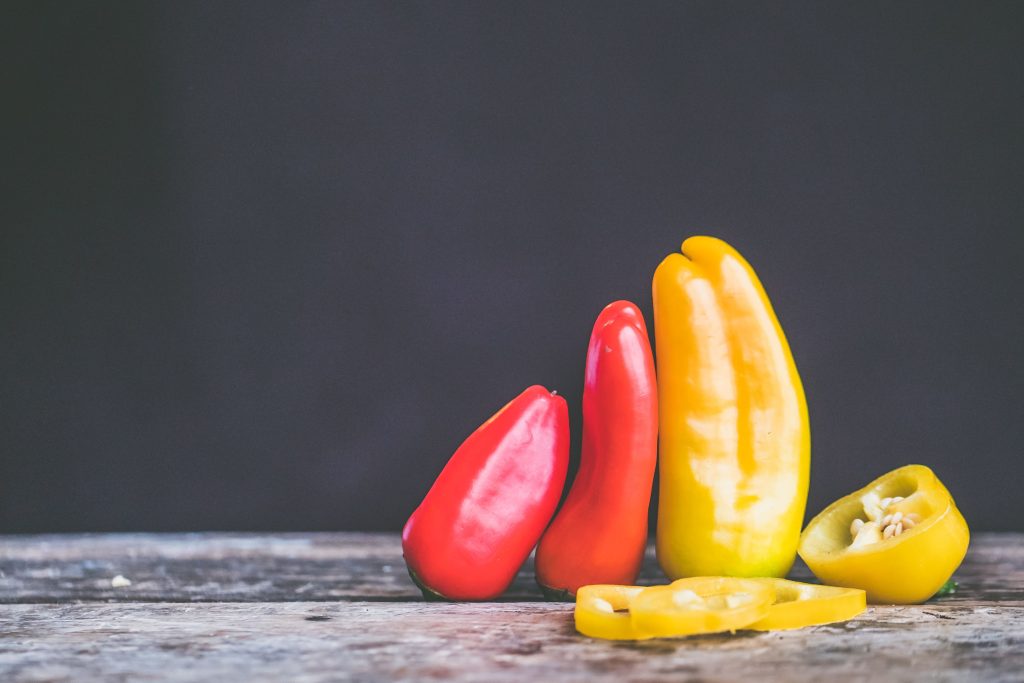
Peppers can fool growers in June. They often start slower than tomatoes. In cool spring soil, they may sit still for a while, looking small but healthy. Then June warmth arrives, and the plants begin to move. New leaves expand. Stems thicken. Flower buds appear. Early fruit begins to form. Bell peppers, banana peppers, jalapeños, […]
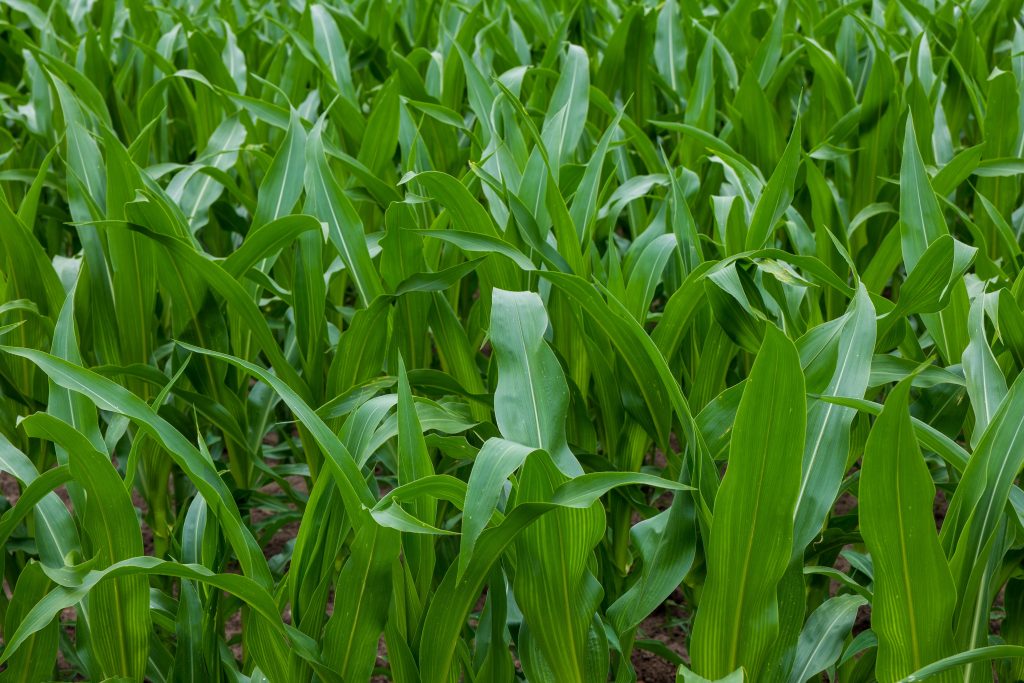
Corn can change quickly in June. A field or garden row that looked slow in cool May weather may suddenly start moving once soil warms. Leaves lengthen. Color deepens. Roots expand. Sweet corn begins looking more upright and aggressive. Field corn moves from early establishment into the rapid-growth stretch that sets the crop up for […]
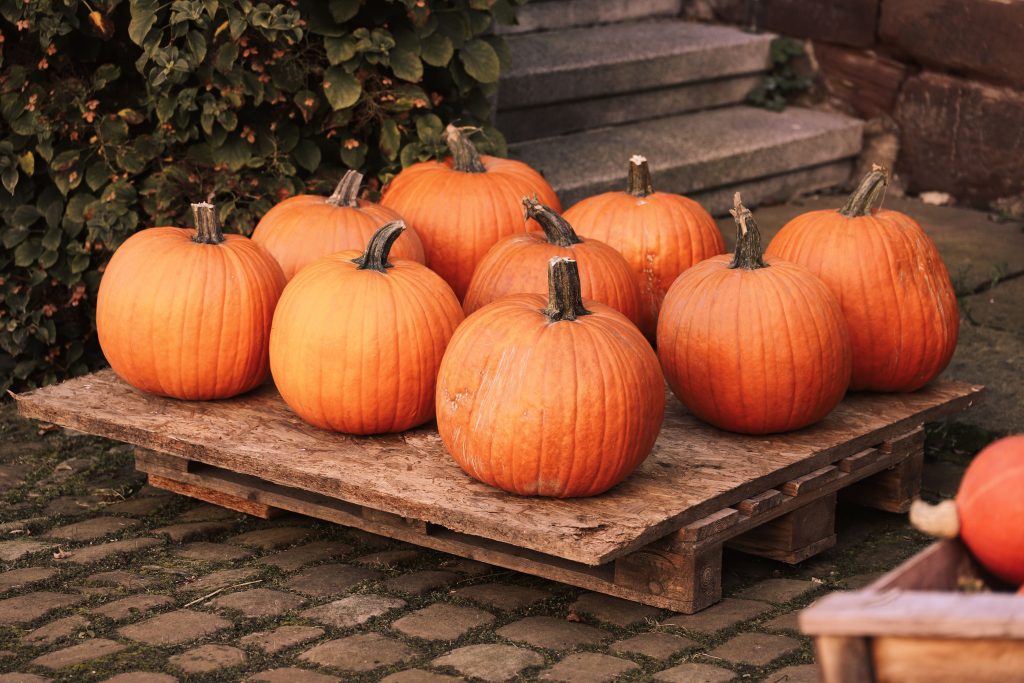
Cucumbers, squash, melons, and pumpkins can change fast in June. One week, they are small plants with a few true leaves. The next, they are running vines, setting flowers, filling rows, and asking for more water than they needed a few days earlier. Summer squash may begin producing quickly. Cucumbers may start flowering and setting […]
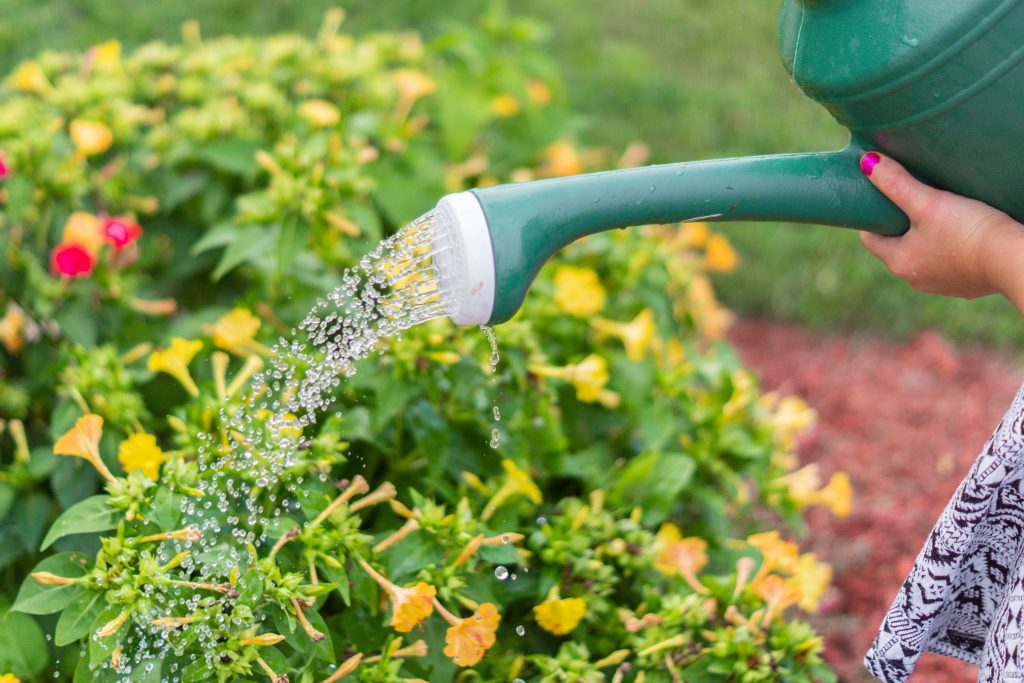
June is when container plants start asking for more than they did in May. A patio tomato that looked comfortable two weeks ago may now need water every morning. A hanging basket that was full and bright at the garden center may begin to fade after a few hot afternoons. Petunias and calibrachoa may still […]
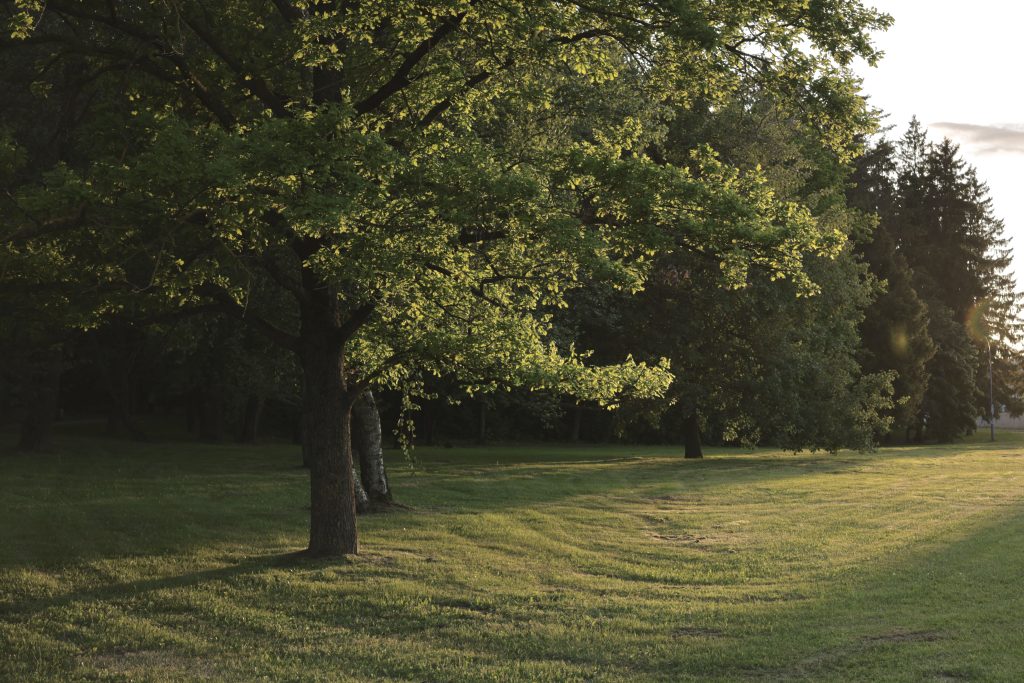
A lawn can look good in early June and still be poorly prepared for summer. That is one of the easiest mistakes to make with turf. Spring moisture, mild nights, and regular mowing can make grass appear strong from the road. The color may be good. Growth may be steady. Bare spots may be less […]
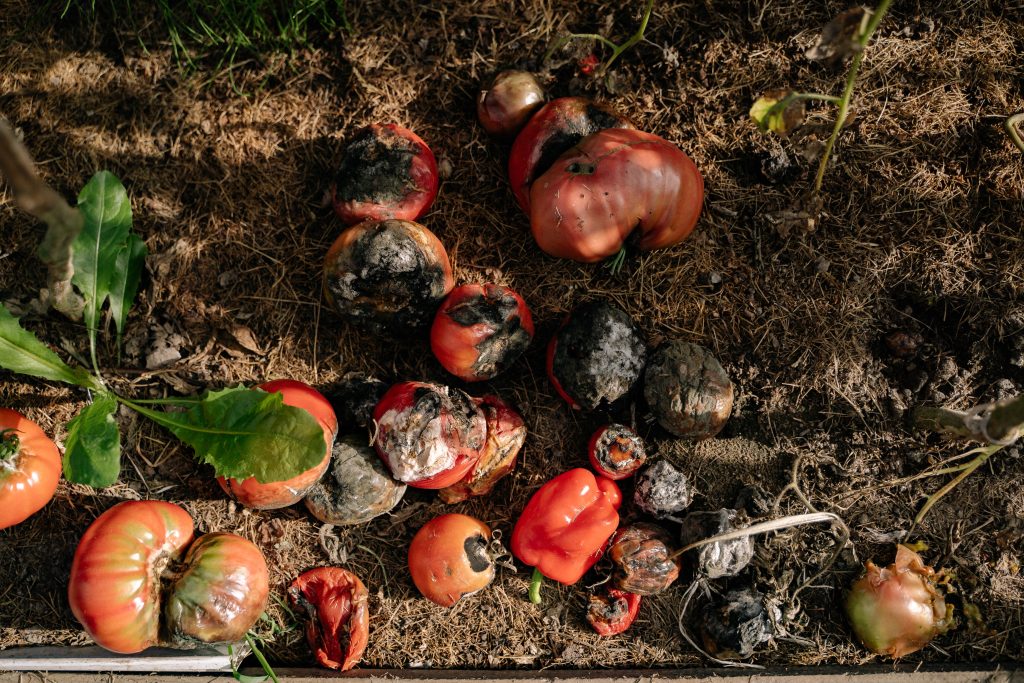
Blossom end rot always feels like it shows up suddenly. A tomato looks healthy. The plant is green. Flowers are setting. The first fruit begins to size. Everything seems on track. Then one day, the bottom of a tomato shows a small, dark, water-soaked spot. A few days later, it turns sunken, leathery, and black. […]
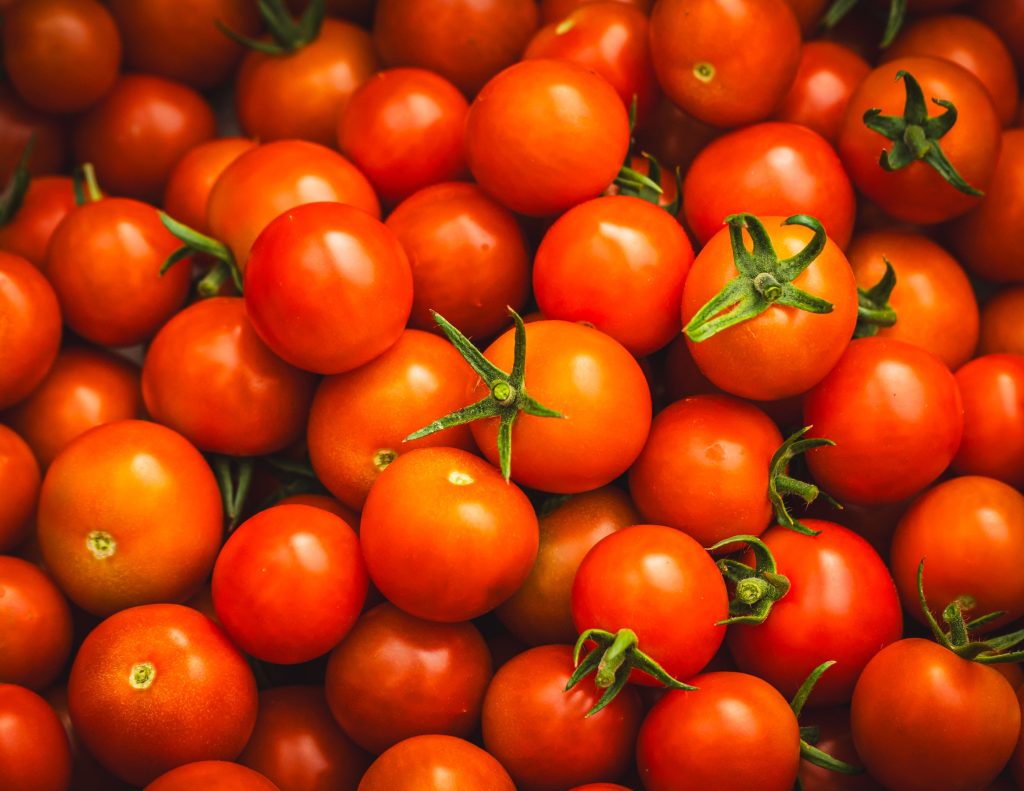
June is when tomato plants start showing what kind of season they are going to have. In May, most of the work is about getting plants established. The goal is to help transplants settle into the soil, push new roots, adjust to outdoor weather, and start growing steadily. By June, that changes. The plant is […]
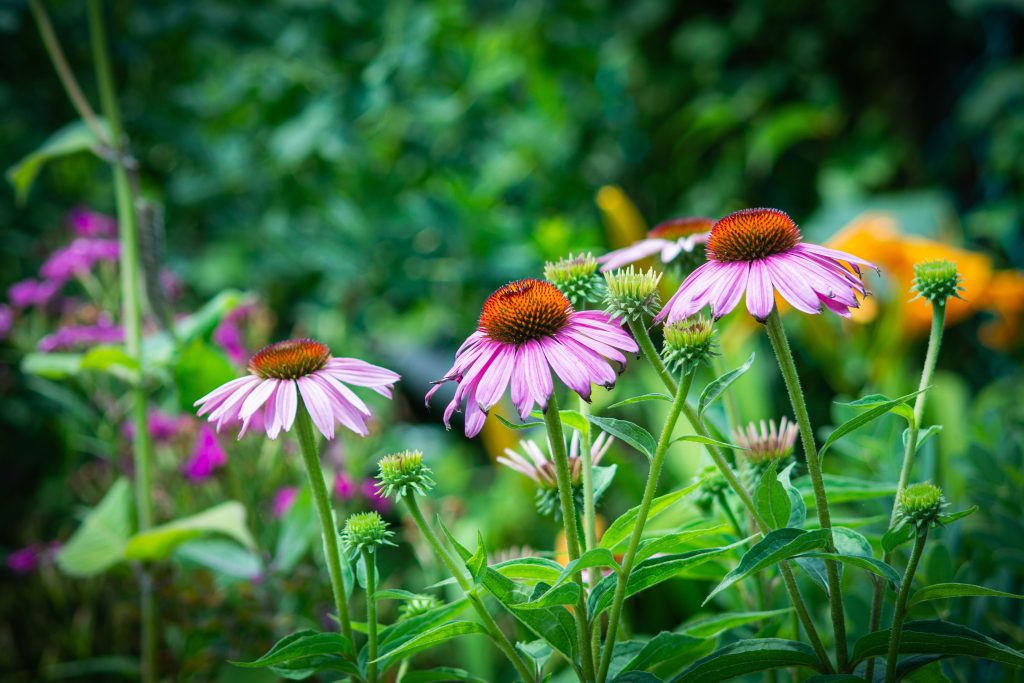
June has a way of changing the season quickly. In May, many crops and landscapes are still riding on spring moisture. The soil may still have some coolness in it. Transplants are settling in. Lawns are actively growing. Vegetable beds are filling out. Flower beds still look fresh. Corn, soybeans, garden vegetables, berries, fruit trees, […]
