
Fertilizing can feel like the finish line. You apply the product, put the spreader away, and check “fertility” off your list. In reality, the first 30 days after fertilizing are just as important as the application itself. That is when you: This guide will help you make the most of those first 30 days for: […]
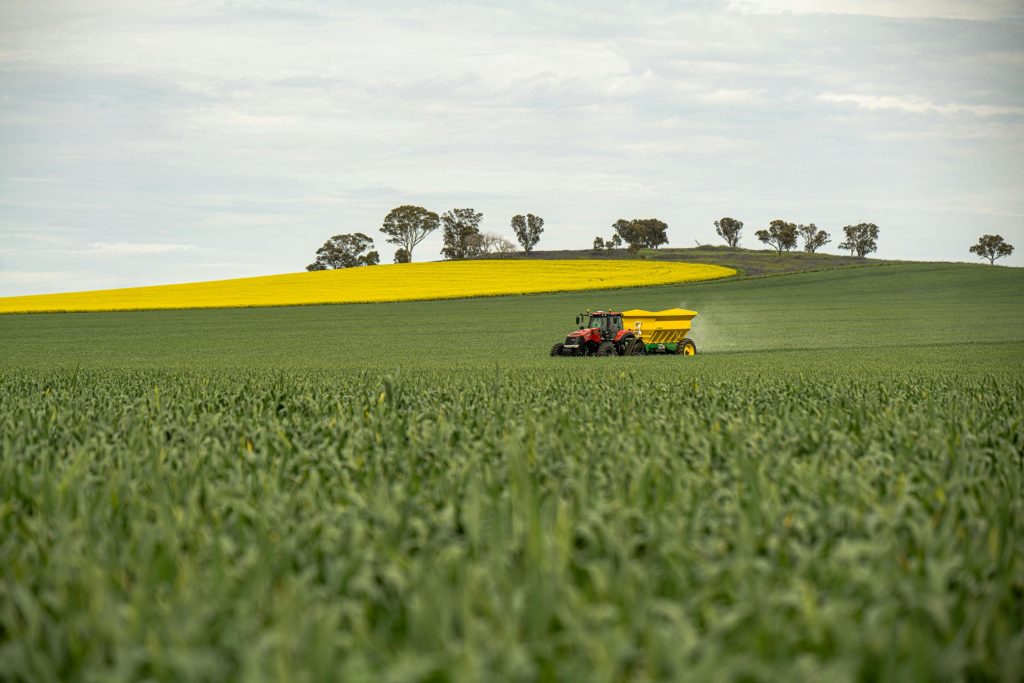
A fertilizer spreader can either be your best friend or your quiet saboteur. If it is not calibrated, you can: The good news is that calibration is not complicated. It just takes a little time, a scale, and a tape measure. This guide will walk you through: Once you do this once or twice, it […]
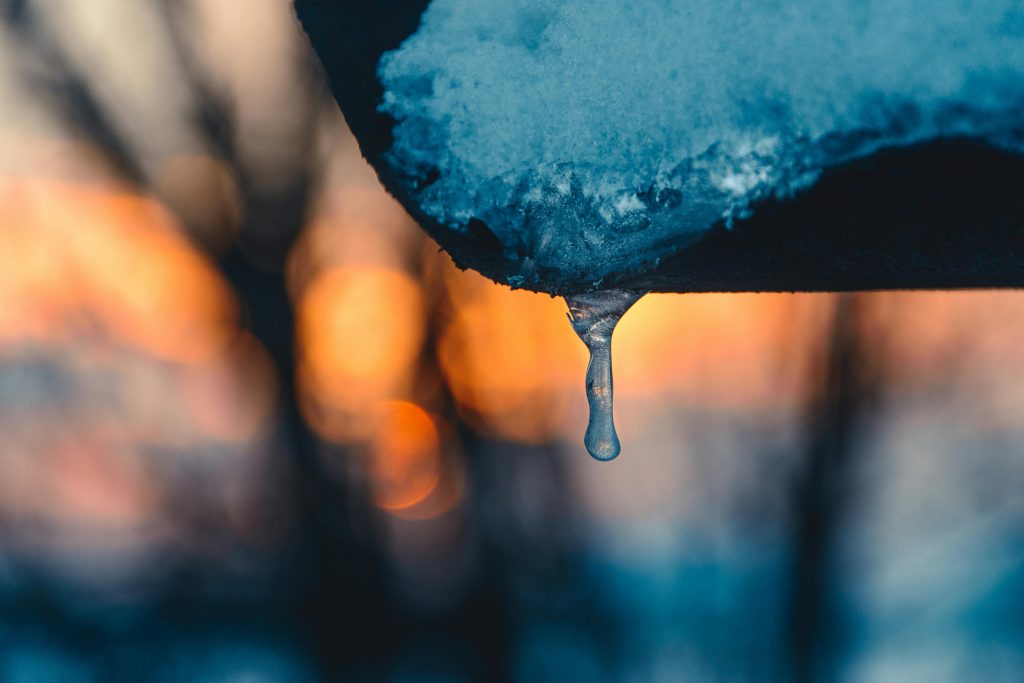
Winter in the Pacific Northwest is rarely simple. We swing from heavy rain to overnight freeze, from slush to black ice. When steps, driveways, and walkways glaze over, you need traction and melting power, but you also care about: This guide will help you make clear, calm decisions about ice melt around your home, farm, […]
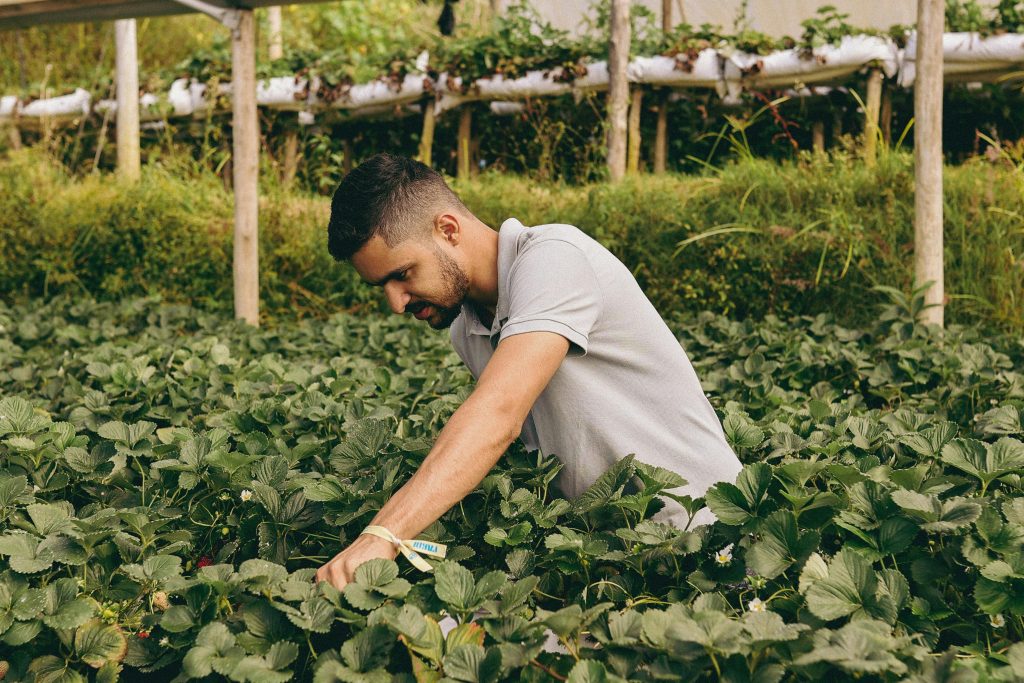
Container and patio gardening has exploded in popularity across the Pacific Northwest. Citrus trees on the deck, figs in half barrels, blueberries in big pots, and tomatoes in tubs can all thrive if you get one thing right: Nutrition in a limited soil volume. Containers are different from in-ground beds because: This guide will help […]
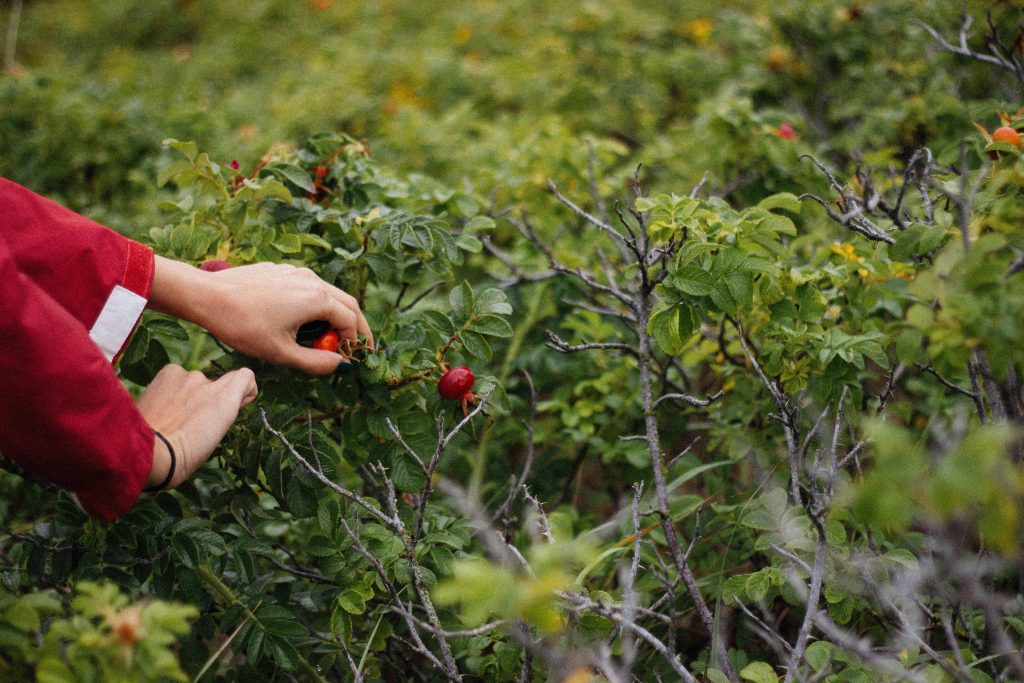
Raised beds are a favorite in the Pacific Northwest for good reason. They warm up faster than in-ground soil, they drain better in our winter rains, and they allow you to concentrate compost and fertilizer where plants can use it. But after a few seasons, many beds start to show problems: Late winter and very […]
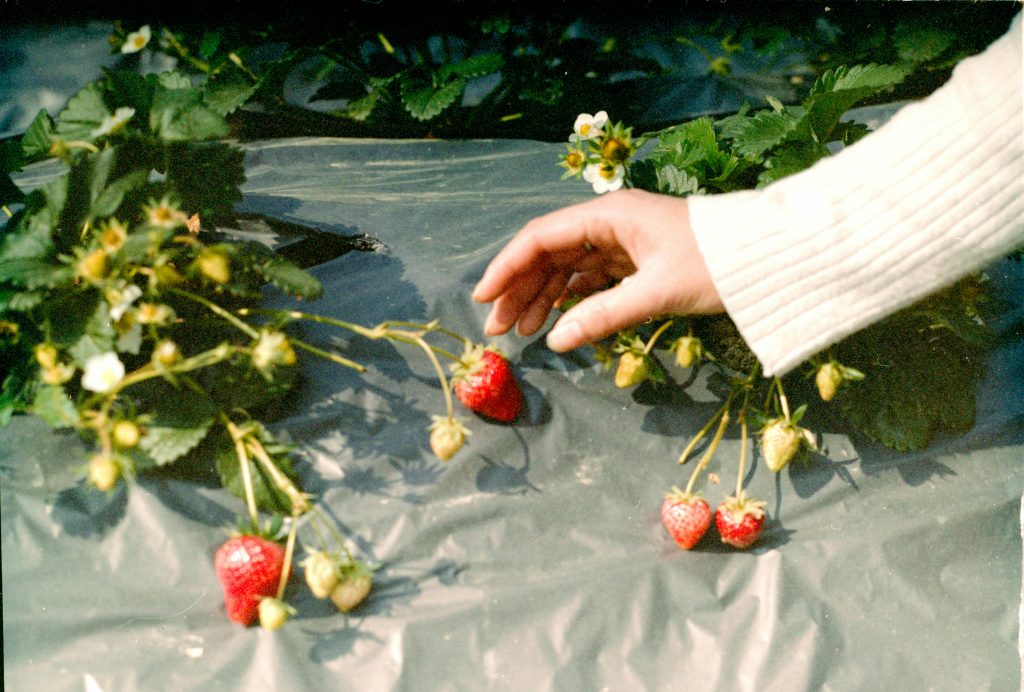
If you grow berries in the Pacific Northwest, you already know how quickly January and February slide into bloom. One week you are looking at bare canes and quiet rows, and the next you are scrambling to prune, tie, weed, and get fertilizer out before the real growth begins. Blueberries, raspberries, blackberries, and hybrid cane […]

Many growers in the Pacific Northwest find themselves in the middle ground. They appreciate the consistency and cost effectiveness of conventional granular fertilizers, yet they are also drawn to organic inputs that support soil life and long term health. You do not have to choose only one path. A well designed hybrid program can use: […]
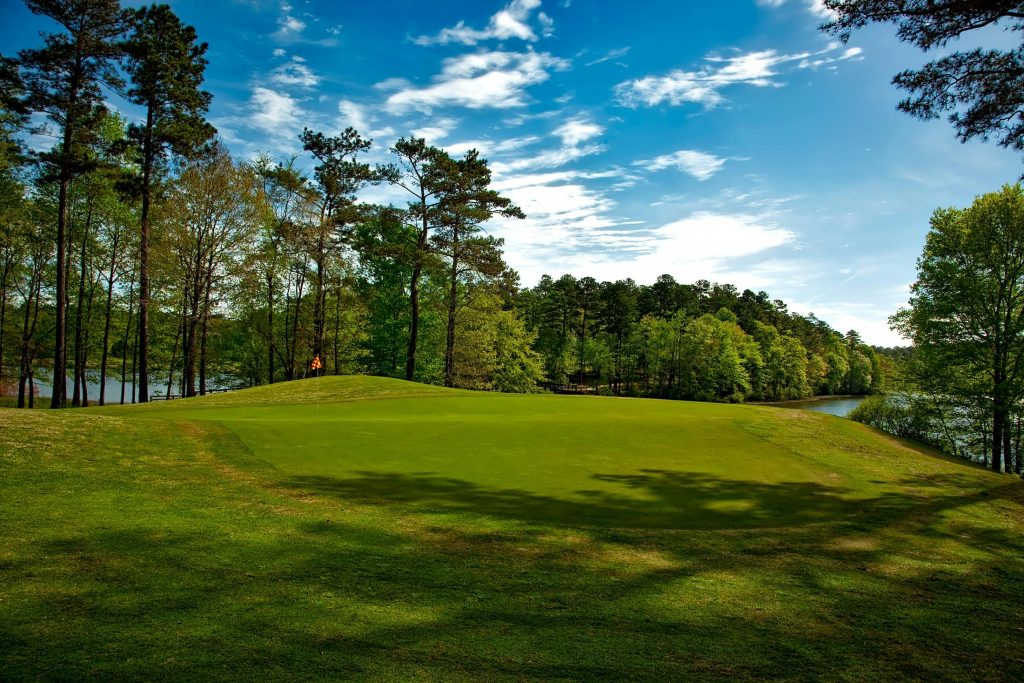
A good pasture looks simple from the road. Green, even, and full. Behind that simple look are a lot of moving parts: soil structure, species mix, grazing pressure, and nutrition. In the Pacific Northwest, spring is when your pasture can either surge into a productive season or limp along behind its potential. Fertilizer is not […]

You sent in your soil samples. A week or two later, the report hits your inbox. Columns of numbers, abbreviations, and rating bars stare back at you. Now what A soil test report is one of the most valuable tools you can have for spring planning, but only if you can translate it into decisions: […]
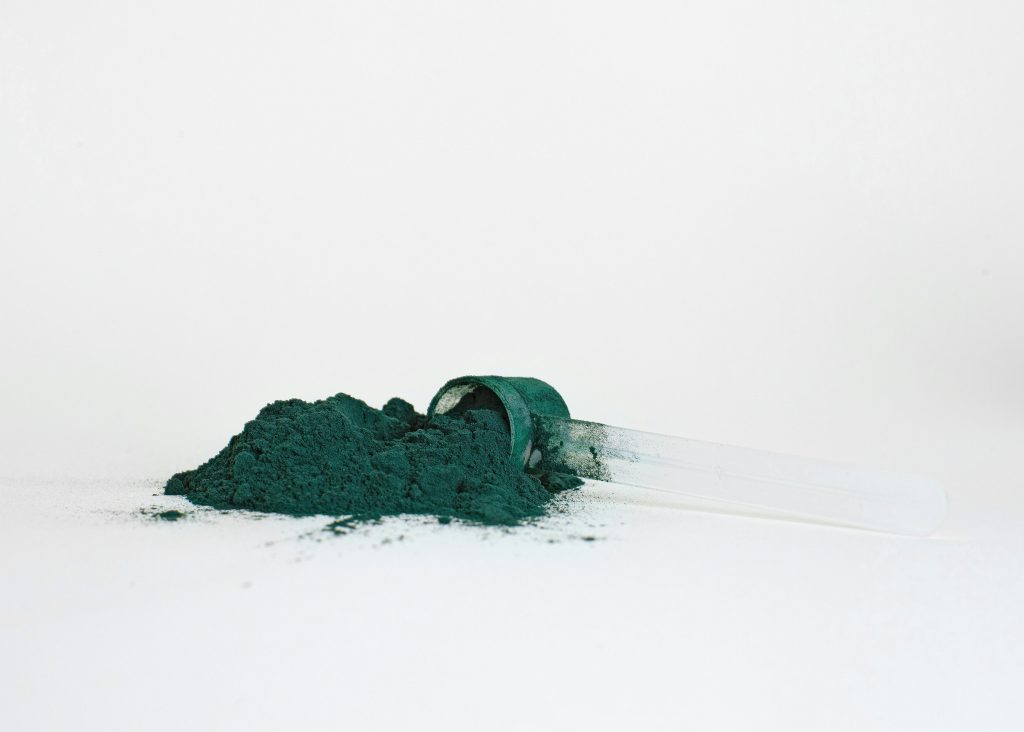
Most of the time, fertilizer conversations start and end with N, P, and K. Nitrogen, phosphorus, and potassium are the “big three” because crops need them in large quantities. But just like a person cannot thrive on protein, carbs, and fat alone, plants cannot thrive on N, P, and K alone. They also need micronutrients: […]
